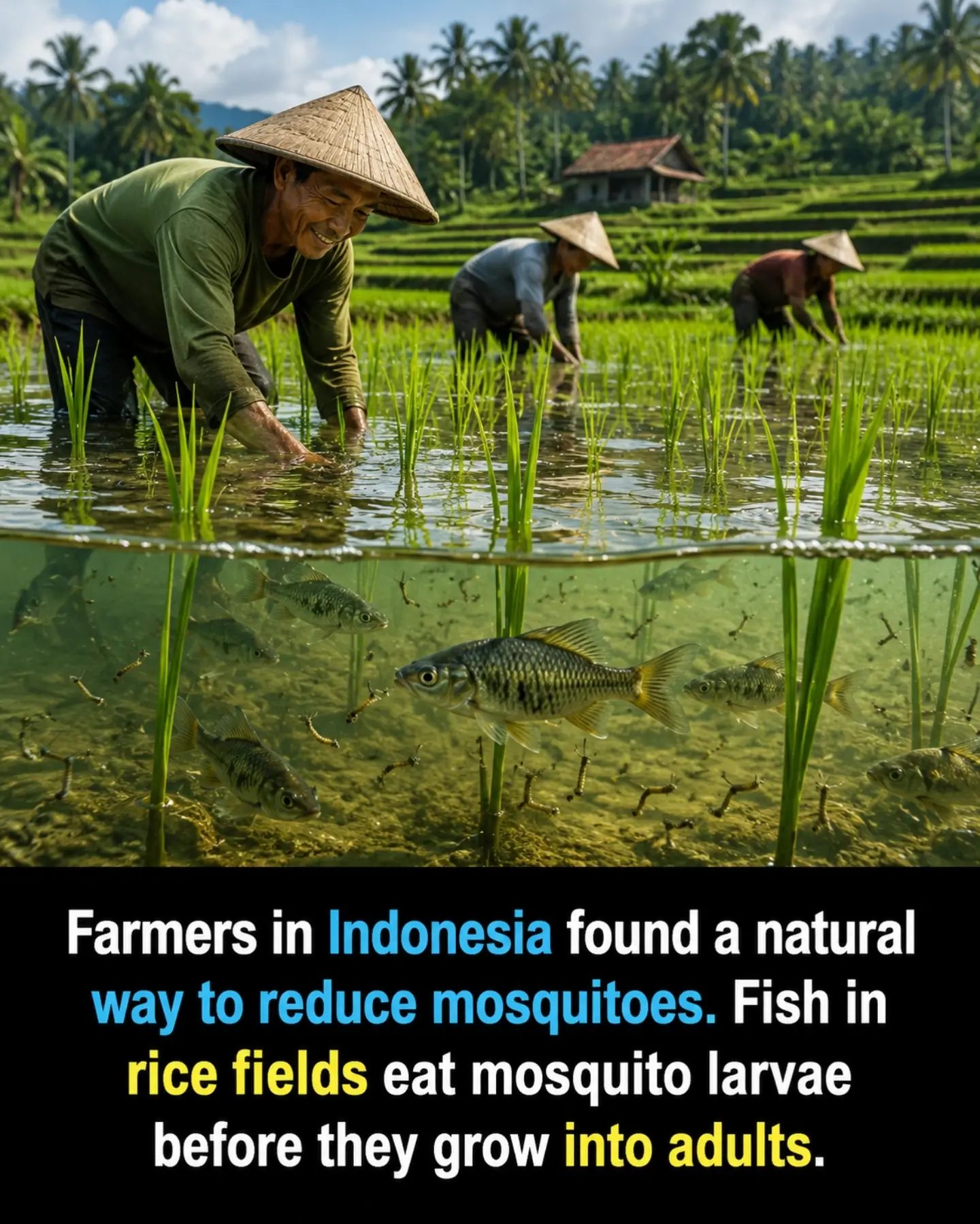
Mosquito Control in Rice Fields
Mosquito control is a critical issue for farmers, especially in rice fields where standing water provides ideal breeding grounds for these pests. In Indonesia, farmers have developed a natural and effective method to combat mosquitoes by introducing fish into their rice fields. This ecological approach not only helps to control the mosquito population but also aligns with sustainable farming practices.
Context / Why This Matters
Mosquitoes are more than just a nuisance; they can carry diseases like malaria, dengue fever, and Zika virus, posing significant health risks to both farmers and nearby communities. Traditional methods of mosquito control often involve the use of chemicals, which can be harmful to the environment and to human health. By contrast, the natural method employed in Indonesia's rice fields offers a safer and more sustainable solution.
Main Discussion
The Role of Fish in Mosquito Control
Fish play a crucial role in this natural mosquito control method. Certain species of fish, such as guppies and tilapia, are known to feed on mosquito larvae. By introducing these fish into rice fields, farmers create a natural predator-prey dynamic that helps to reduce the mosquito population before the larvae can mature into adults. This biological control method is not only effective but also environmentally friendly, as it does not rely on chemical pesticides.
The Ecological Benefits
Introducing fish into rice fields has several ecological benefits. Firstly, it reduces the need for chemical pesticides, which can harm beneficial insects and contaminate water sources. Secondly, the fish help to control other pests that might otherwise damage the rice crops. Additionally, the presence of fish can improve the overall health of the rice field's ecosystem by enhancing water quality and nutrient cycling.
The Economic Advantages
From an economic perspective, this method of mosquito control is cost-effective. Farmers do not need to invest in expensive pesticides or specialized equipment. Instead, they can rely on a readily available and renewable resource—fish. Furthermore, the fish themselves can provide an additional source of income if they are harvested and sold as food.
The Cultural Significance
In Indonesia, traditional farming practices often integrate seamlessly with local culture and customs. The use of fish in rice fields is a testament to the traditional knowledge and innovation of Indonesian farmers. This method not only helps to control mosquitoes but also preserves the cultural heritage of sustainable and environmentally friendly farming practices.
Steps to Implement Fish Mosquito Control
To implement this method, farmers typically follow a few key steps:
- Select the Right Fish: Choose fish species that are known to feed on mosquito larvae, such as guppies or tilapia.
- Introduce the Fish: Release the fish into the rice fields during the early stages of rice cultivation. This ensures that the fish have plenty of time to consume the mosquito larvae before they mature.
- Monitor the Population: Regularly monitor the fish population to ensure they are thriving and effectively controlling the mosquito larvae.
- Maintain Water Quality: Ensure that the water in the rice fields is clean and well-maintained to support the health of both the fish and the rice crops.
Practical Tips
To maximize the effectiveness of this mosquito control method, consider the following tips:
- Choose the Right Species: Not all fish species will effectively control mosquito larvae. Research and choose species that are known to feed on these pests.
- Optimize Water Conditions: Maintain suitable water conditions for both the fish and the rice crops. This includes regular water quality checks and ensuring that the water depth is appropriate for both the fish and the rice plants.
- Encourage Biodiversity: Introducing multiple fish species can further enhance the ecosystem's biodiversity and improve overall pest control. Additionally, other aquatic plants and animals can also help maintain a balanced ecosystem.
- Monitor and Adjust: Regularly monitor the effectiveness of the mosquito control method and make adjustments as needed. This might include introducing more fish or modifying the water conditions.
- Integrate with Other Methods: While using fish to control mosquitoes is effective, consider integrating this method with other sustainable pest control strategies, such as planting mosquito-repelling plants or using natural predators.
Important Takeaways
Mosquito control in rice fields through the introduction of fish is a practical, sustainable, and effective method that offers numerous benefits. It reduces the need for chemical pesticides, supports biodiversity, and aligns with traditional farming practices. By adopting this method, farmers can not only control mosquitoes but also enhance the overall health of their rice fields and support local ecosystems.
Conclusion
The natural method of mosquito control used in Indonesia's rice fields is a prime example of how traditional knowledge and ecological principles can be applied to modern agricultural challenges. By introducing fish into rice fields, farmers can effectively control mosquito populations while promoting sustainable and environmentally friendly practices. This method not only benefits the farmers but also contributes to the well-being of local communities and the preservation of cultural heritage. For farmers looking to integrate natural pest control methods into their practices, this approach offers a viable and beneficial solution.
Questions readers ask
How do Indonesian rice farmers use fish for mosquito control?
Indonesian rice farmers introduce specific fish species, such as Gambusia or Mozambique tilapia, into their rice fields. These fish feed on mosquito larvae, effectively reducing the mosquito population in an eco-friendly manner.
What makes this mosquito control method sustainable?
This method is sustainable because it relies on natural predators (fish) rather than chemical pesticides. It promotes a balanced ecosystem, enhances biodiversity, and reduces environmental pollution, benefiting both the rice fields and nearby communities.
Which mosquito-borne diseases are a concern for Indonesian rice farmers?
Rice farmers in Indonesia are particularly concerned about diseases like malaria, dengue fever, and Zika virus, which mosquitoes can transmit. Effective mosquito control is crucial for protecting the health of farmers and local communities.
Can this natural mosquito control method be applied in other countries?
Yes, this method can be adapted in other countries with similar environmental conditions. Farmers in other regions can introduce mosquito-eating fish into their rice fields or other water bodies to control mosquito populations naturally.
What are the benefits of this eco-friendly pest control method for the rice field ecosystem?
This method improves the overall health of the rice field ecosystem by reducing the need for chemical pesticides and increasing biodiversity. The fish not only control mosquitoes but also help manage other pests and can serve as a secondary food source for farmers.
How does this natural approach compare to traditional mosquito control methods?
Unlike traditional methods that rely on chemical pesticides, this natural approach is safer for the environment and human health. It does not contaminate water sources or harm non-target organisms, making it a more holistic and community-friendly solution.
Related deep dives
Similar reads based on topic and creator.


Recent articles
Fresh deep dives from the latest Reels we unpacked.


Comments
Be the first to comment.