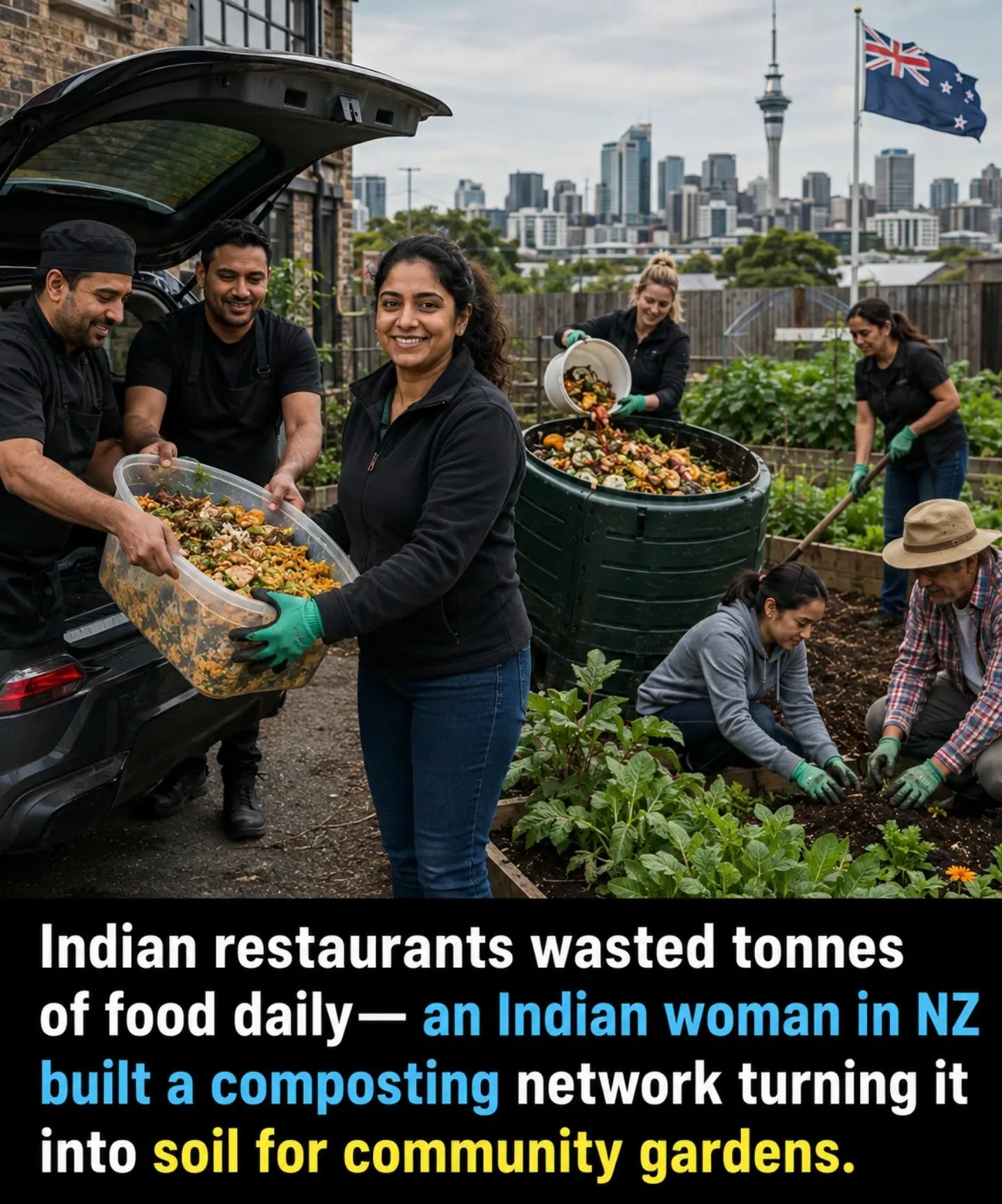
Community Composting: Turning Food Waste into Community Gardens
The reality of food waste is a pressing issue, especially in the restaurant industry. In New Zealand, Indian restaurants are no exception, generating significant amounts of food waste daily. However, an innovative solution has emerged from within the local community. An Indian woman has initiated a composting network that transforms this food waste into nutrient-rich soil for community gardens. This initiative is a testament to the power of community effort and sustainability. This article delves into the impact, process, and benefits of community composting, focusing on the role of the SUV in this eco-friendly initiative.
Why This Matters
Composting is more than just a way to dispose of food waste. It's a sustainable practice that enriches soil, reduces greenhouse gas emissions, and creates a closed-loop system within communities. By converting food waste into compost, communities can significantly reduce their carbon footprint and support local gardening efforts. This initiative not only addresses environmental concerns but also fosters a sense of community and shared responsibility.
The Problem of Food Waste
Food waste is a global issue, with vast amounts of edible food being discarded daily. In the restaurant industry, the problem is exacerbated by the sheer volume of food prepared and served. While some waste is inevitable, the environmental impact of improper disposal is significant. Food waste in landfills produces methane, a potent greenhouse gas, contributing to climate change. Additionally, the resources used to produce the wasted food, including water and energy, go to waste.
The Role of SUVs in Composting
In this community composting initiative, an SUV plays a crucial role in the logistics of the operation. The vehicle is used to transport food waste from restaurants to the composting site. This practical use of an SUV highlights the versatility of this vehicle type, which can handle a variety of tasks, including eco-friendly operations. The ability to transport large volumes of waste efficiently is essential for the success of a composting network.
The Composting Process
The process of composting involves several steps, each crucial for transforming food waste into valuable compost. Understanding these steps can help anyone interested in starting a composting initiative in their community.
Collection and Transportation
The first step in the composting process is the collection and transportation of food waste. In this initiative, Indian restaurants in New Zealand collect their food waste and store it in designated containers. These containers are then transported to a central composting site using an SUV. The efficiency of this step is critical, as delays or inefficiencies can lead to spoilage and odors.
Composting Bins
Once the food waste arrives at the composting site, it is added to large composting bins. These bins are designed to optimize the composting process by providing the ideal conditions for decomposition. The bins are typically filled with a mix of food waste and other organic materials, such as leaves or yard trimmings, to create a balanced compost pile. The SUV's role in this step is to ensure that the bins are consistently supplied with fresh food waste, maintaining the composting process.
Turning and Monitoring
Regular turning of the compost pile is essential to ensure proper aeration and decomposition. This step also helps to manage odors and pests. The compost pile is monitored for temperature, moisture, and oxygen levels to ensure optimal conditions for microorganisms that break down the waste. The SUV may also be used to transport tools and equipment for turning and monitoring the compost pile.
Harvesting and Application
Once the compost is fully decomposed, it is ready to be harvested and applied to community gardens. The nutrient-rich soil improves the health and productivity of the gardens, benefiting both the environment and the community. The SUV can be used to transport the compost from the composting site to the gardens, ensuring that the process is efficient and effective.
Practical Tips for Community Composting
Starting a community composting initiative can seem daunting, but with the right approach and resources, it can be a rewarding and impactful endeavor. Here are some practical tips to help get you started.
Assess the Need
The first step in starting a composting initiative is to assess the need within your community. Identify local sources of food waste, such as restaurants, schools, or grocery stores, and evaluate the potential for composting. Engage with community members to gauge interest and support for the initiative.
Establish Partnerships
Forming partnerships with local businesses, schools, and government agencies can provide the resources and support needed to establish a successful composting network. Collaborate with Indian restaurants or other food service providers in your community to collect food waste.
Secure a Location
Find a suitable location for your composting site. The location should be easily accessible, have adequate space for composting bins, and be close to a water source. Ensure that the site complies with local regulations and zoning laws.
Gather Equipment
Invest in the necessary equipment for composting, including bins, tools, and vehicles for transportation. An SUV can be a valuable asset for transporting food waste and compost, ensuring the efficiency of the operation. Consider purchasing or renting equipment specifically designed for composting.
Engage the Community
Community involvement is key to the success of a composting initiative. Engage with local residents, schools, and organizations to raise awareness about the benefits of composting and encourage participation. Host workshops, events, and educational sessions to educate the public about composting and its environmental benefits.
Monitor and Maintain
Regular monitoring and maintenance of the composting site are essential to ensure the quality and efficiency of the composting process. Keep records of the composting process, including the types and quantities of waste collected, the conditions of the compost pile, and the final product. Regularly inspect the site for issues such as pests, odors, or contamination.
Important Takeaways
Community composting offers numerous benefits, both environmental and social. By converting food waste into nutrient-rich soil, communities can reduce their carbon footprint, support local gardening efforts, and foster a sense of shared responsibility. The use of an SUV in this initiative highlights the versatility of this vehicle type, which can handle a variety of tasks, including eco-friendly operations. By following practical tips and engaging the community, anyone can start a successful composting initiative and make a positive impact on the environment.
Conclusion
Food waste is a pressing issue, but community composting initiatives offer a practical and sustainable solution. By transforming food waste into valuable compost, communities can enrich soil, reduce greenhouse gas emissions, and create a closed-loop system. The use of an SUV in this initiative showcases the versatility of this vehicle type, which is essential for transporting waste and maintaining the composting process. Starting a community composting initiative requires assessment, partnerships, and community engagement, but the benefits are well worth the effort.
Questions readers ask
Who is the Indian woman behind the composting network in New Zealand?
The article highlights an Indian woman living in New Zealand who has started a composting network. Her initiative collects food waste from local restaurants to create nutrient-rich soil for community gardens. However, the text does not provide her name.
How does the composting network reduce food waste in the restaurant industry?
The composting network collects food waste from restaurants and processes it through composting techniques. This process not only reduces the amount of waste sent to landfills but also transforms it into valuable soil for community gardens, thus addressing the issue of food waste in the restaurant industry.
What is the process involved in the composting network for creating soil?
The composting network involves collecting organic waste from restaurants. This waste is then composted using sustainable techniques, producing nutrient-rich soil. This soil is used to enrich community gardens, promoting urban composting projects and waste reduction in New Zealand.
What are the benefits of the composting network for community gardens?
The composting network provides community gardens with rich, organic soil derived from food waste. This enhances the quality of the soil, promoting better plant growth and supporting urban composting projects. Additionally, it fosters a sense of community and sustainability.
Related deep dives
Similar reads based on topic and creator.

Recent articles
Fresh deep dives from the latest Reels we unpacked.



Comments
Be the first to comment.