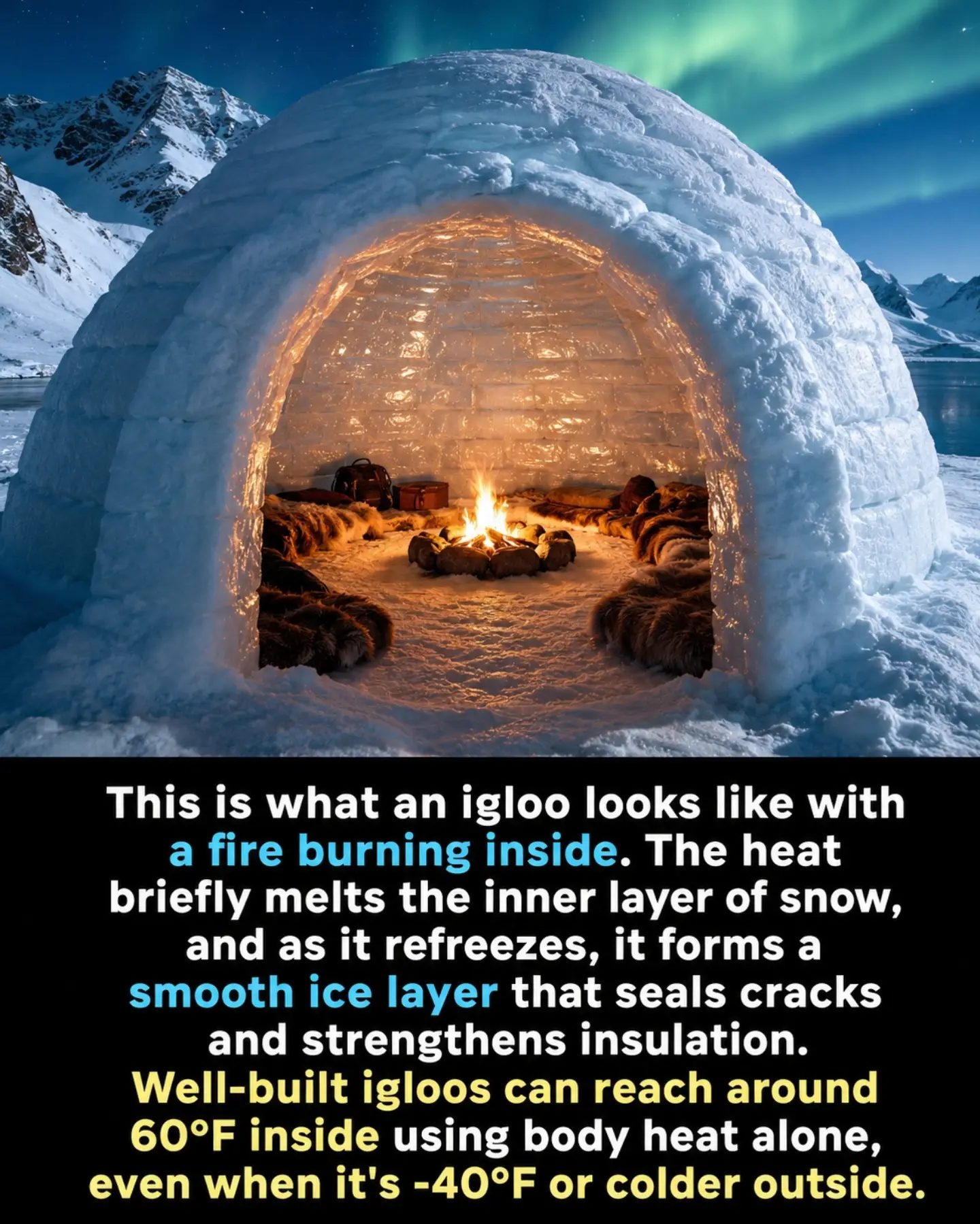
Igloos and the Science of Staying Warm
Igloos are not just iconic symbols of Arctic survival; they are marvels of engineering, designed to provide warmth and shelter in some of the harshest conditions on Earth. Understanding how igloos maintain their warmth can offer insights into innovative insulation techniques and sustainable living practices.
Context / Why This Matters
In extremely cold environments, the ability to create a warm and safe shelter is crucial. Igloos demonstrate how natural materials and clever design can achieve this without the need for modern heating systems. By exploring the science behind igloo construction and heat retention, we can appreciate the ingenuity of traditional cultures and consider similar principles for contemporary applications.
Main Discussion
The Structure of an Igloo
Igloos are typically constructed from blocks of compacted snow, arranged in a domed shape. This design is not arbitrary; the dome shape distributes weight evenly and provides structural integrity. The interlocking blocks create a tight seal, minimizing gaps and drafts.
The Role of Body Heat
The inner layer of an igloo plays a critical role in retaining heat. When people are inside, their body heat and any heat from a fire briefly melts the inner snow layer. As this melted snow refreezes, it forms a smooth, hard ice layer. This layer is not just aesthetically pleasing; it seals cracks and strengthens the overall insulation of the igloo. This process is continuous, as long as there is a source of heat inside.
The Insulating Properties of Snow
Snow is an excellent insulator due to its structure. Individual snowflakes trap tiny pockets of air, which are poor conductors of heat. When compressed into an igloo, these air pockets are preserved, creating a highly insulative material. The dome shape further enhances this insulation by minimizing surface area exposed to the cold external environment.
Heat Retention in Extremely Cold Temperatures
Igloos can maintain a comfortable internal temperature even in extremely cold conditions. For instance, a well-built igloo can reach temperatures around 60°F inside, even when the outside temperature drops to -40°F or colder. This dramatic temperature difference is a testament to the effectiveness of the igloo's design and the insulating properties of snow.
Practical Tips
Building an Effective Igloo
Constructing an igloo requires precision and patience. Here are some practical tips to keep in mind:
- Choose the Right Snow: Fresh, powdery snow is ideal for building igloos. It compresses well and forms strong blocks.
- Start with a Base: Begin by creating a solid foundation. This base should be wide enough to support the weight of the igloo.
- Angle the Blocks: As you build, angle the blocks inward slightly. This helps to create the dome shape and ensures stability.
- Seal the Gaps: Pay close attention to sealing any gaps or cracks. As the inner layer melts and refreezes, it will naturally seal some of these, but minimizing gaps from the start is crucial.
Important Takeaways
- Body Heat is Key: The continuous melting and refreezing of the inner snow layer, driven by body heat, is essential for maintaining warmth.
- Design Matters: The dome shape and interlocking blocks of an igloo contribute to its structural integrity and insulating properties.
- Snow is a Versatile Material: Snow's ability to trap air makes it an excellent insulator, even in extreme cold.
Conclusion
Igloos are more than just temporary shelters; they are a testament to human ingenuity and adaptation. By understanding the science behind how igloos maintain warmth, we can appreciate the wisdom of traditional building techniques and consider similar principles for modern insulation and sustainable living. The next time you encounter an igloo, take a moment to admire not just its aesthetic appeal, but also the clever engineering that makes it a lifesaving structure in harsh environments.
Questions readers ask
How does the structure of an igloo contribute to its insulation properties?
The domed shape of an igloo is crucial for its insulation. The curved walls distribute weight evenly and prevent the structure from collapsing. The compacted snow blocks, made from tightly packed snow, have tiny air pockets that trap heat inside, creating an effective barrier against the cold exterior.
Can a fire be safely used to warm an igloo?
Yes, small fires can be used to warm an igloo safely. Traditionally, Inuit people would place a seal-oil lamp or a small fire in the center of the igloo. The heat from the fire radiates outwards, warming the interior. This is possible because an igloo has a small entrance, which helps to trap the heat inside and prevent heat loss.
How does body heat play a role in keeping an igloo warm?
Body heat is a significant contributor to maintaining the warmth inside an igloo. Since igloos are designed to be small and compact, the heat generated by the occupants can quickly warm the interior, especially when combined with a small fire and the insulating properties of the snow walls.
What are the key differences between traditional igloos and modern snow shelters?
Traditional igloos are made from compacted snow blocks, arranged in a dome shape, with a small entrance to trap heat. Modern snow shelters, like quinzees or snow caves, might use different construction methods but still rely on the insulating properties of snow and the principles of heat retention used in igloos.
How does the compacted snow in an igloo's walls prevent heat loss?
The compacted snow in an igloo's walls is made up of tiny air pockets that trap heat inside. Snow itself is a good insulator due to these air pockets. When snow is compacted into blocks and used to build an igloo, it creates a solid, robust barrier that minimizes heat transfer, keeping the interior warm and the exterior cold.
Why are igloos typically small, even for a family?
Igloos are typically small because a smaller space is easier to heat and maintain warmth. The compact size ensures that body heat and the heat from a small fire can quickly warm the interior. Additionally, a smaller space requires less material and effort to build, making it a more practical solution in harsh, cold environments.
What are the safety considerations when using a fire in an igloo?
When using a fire in an igloo, safety is paramount. The fire should be small and contained. The entrance of the igloo should be small enough to trap the heat but not so small that it restricts airflow, which could lead to the buildup of harmful gases. Proper ventilation and controlled burning are necessary to ensure safety.
Related deep dives
Similar reads based on topic and creator.



Recent articles
Fresh deep dives from the latest Reels we unpacked.




Comments
Be the first to comment.