What is the World's Most Remote Inhabited Settlement?
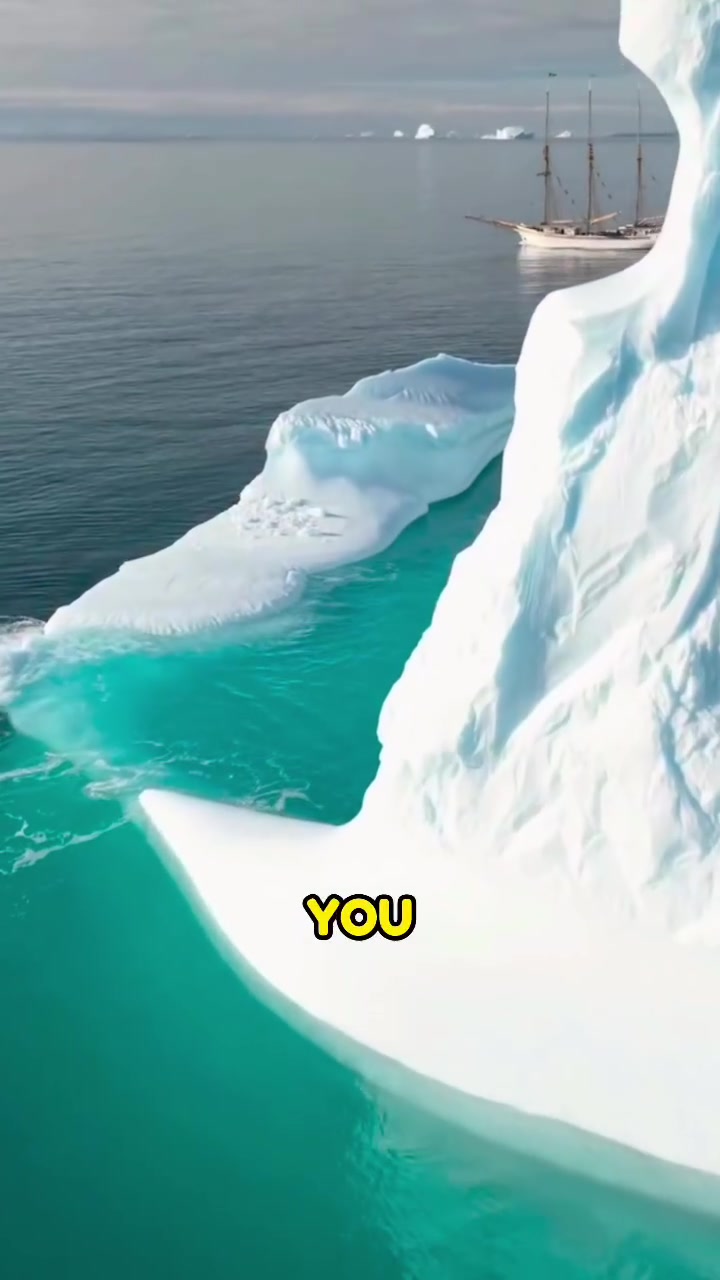
Midway between the equator and North Pole, Iduk Kortormit, Greenland, is the closest thing Earth has to the end of the world. Greenarctic settlers live here, in a small hamlet with just over 300 people and no roads leading in or out. Accessible only by air or sea, depending on the season, Iduk Kortormit’s isolation forces its residents to live in a state of nature-dependent self-sufficiency. The towering fjords, drifting icebergs, and Arctic wilderness surrounding the hamlet create a landscape untouched by conventional human infrastructure. The world’s largest fjord system and the world’s largest national park are adjacent to the hamlet, providing a unique natural history playground. Visitors coming to this part of Greenland cannot miss the stunning fjords, which are home to a variety of wildlife. Polar bears, seals, and musk oxen traverse the landscape, making Iduk Kortormit a living museum of the global north. There may be no roads, but there is no shortage of wildlife. The Northern Lights often add a celestial touch to the landscape, which is mostly dark and beautiful in the winter.
Why Nature Decides Everything
Places like Iduk Kortormit are a window into the future of environmental survival. The natural world’s role in determining life here is unparalleled, and climate change is making similar scenarios more common. Greenland is among the world’s most vulnerable regions to climate change, with sea levels rising at an unprecedented rate. Communities like Iduk Kortormit raise questions about resilience and adaptation in times of environmental uncertainty. Residents of the hamlet are among the people most attuned to the ever-shifting dance of natural forces. This remote settlement also throws a spotlight on the lengths to which people will go to survive in even the most hostile environments. The natural world is a harsh, unyielding force here, but it also provides an unfiltered and unspoiled existence, unlike the rest of the world. Unusually weathered people work to survive in this unforgiving climate, and not a single aspect of their lives is untouched by the powers of nature.
What it is Like to Live in an Arctic Hamlet
Surviving on Arctic Lands
The small population of Iduk Kortormit lives off the land. Seal and polar bear meat provides much protein for the residents. Musk ox roam the landscape and keep residents busy hunting throughout their lives. Hunting is not a sport here; it is a necessity. The occasional helicopter or ship brings supplies, but there is no respite from the natural forces that surround them. Greenarctic settlers live with 24-hour darkness for at least half the year, so they must adapt to the constant, ever-present darkness. Adventuresome travelers flock to this desolate land, where the Aurora Borealis often lights the sky.
Dogsleds and Helicopters
The only roads leading out of Iduk Kortormit are on the sea in the winter and by air or sea the rest of the year. Their sons and daughters learn to hunt young because they are the only viable meat available. They raise sled dogs and learn to survive in the Arctic landscape, relying on their sled dogs to help them hunt and fish. Helicopters and aircraft deliver food and supplies during the critical supply runs.
An Unfiltered Life
Iduk Kortormit residents feel an unparalleled and unfiltered relationship with nature because they must rely on their own ingenuity and the land itself. They live in a state of absolute isolation from the rest of the world. This makes them uniquely attuned to the ways in which natural resources can sustain a population. This is not simply a matter of self-sufficiency but also of natural world survival as a community. Traditionalist villages like this give one a taste of life on the edge of the Arctic Circle, where nature rules and it decides everything.
Serenity in the Extreme
Iduk Kortormit contrasts sharply with the bustling urban communities of mainstream culture. The dynamic between the people and the harsh environment is visible in every aspect of the community's operations. One is struck by the daily activities of hunting, cooking, and celebrating the simple things a community can achieve while living with the vastness of nature. The human survival instinct is on full display. This tiny settlement serves as a testament to the resilience of the human spirit and the complex relationship between humans and the natural world.
The Impact of Tourism on Greenland
Travel to Greenland and the Arctic region is not just about chasing a unique landscape but also about learning about human adaptivity. Nature governs every aspect of life in places such as Iduk Kortormit, but tourism has become a central focus of life, boosting local economies and diversifying cultural distinctions in the Arctic. Tourists flock to Greenland to see the Northern Lights, take in the vast landscape, and try authentic Arctic cuisine. Experts expect the number of people visiting Greenland to increase over the next decade. While tourism is a growing force in Greenland, it’s the notoriously difficult climate the hamlet residents endure that draws visitors. These intrepid travelers are drawn to the unique wildlife, stunning scenery, and the world’s most remote inhabited settlement. They come for the hunting, though, and the chance to live in a small community. Whale Watchers come for the whales, but many also come to get a taste of this unique culture. Tourists visit Iduk Kortormit to experience rural living and see the Prince Christian Sound. The sound is filled with crystal, clear sea water, and rounded icebergs. The Northern Lights lighting up the night sky over the sound, and dramatic landscapes offer a true adventure.
Exploring Arctic Life
Authentic Experiences
Visitors expect a 24/7 darkness experience that is one of the most unique experiences in the world. Visitors to Greenland can expect to experience a rugged lifestyle in this secluded land. This includes hiking through the wilderness, kayaking, and camping under the stars. Guides take visitors on tours where they can witness the raw beauty of the pristine Arctic landscape while learning about Greenlandic culture.
Mistaken Assumption: Money and Luxury
There are no hotels or five-star restaurants in this small community. In this Arctic hamlet, you don't get the luxury of a tow or a hotel room overlooking the open sea. Travelers stay in basic accommodations that mirror the community’s barebones lifestyle. But the experience is worth the lack of amenities, they say.
Activities to try
Travellers try kayaking among the ice fjords, where crystal-clear water cuts through huddled icebergs. Winter visitors are usually in search of adventure, because if not for the snowmobile tours that locals guide them on, they would be unable to explore the area. Travelers in the summer can go hiking or fishing, or even spot the Northern Lights if they are lucky, and locals will help them navigate the terrain. Experts recommend going to Greenland during the summer, allowing visitors to enjoy the midnight sun and the warmer weather.
Deciding Between Luxury and Authenticity
Tourism in Greenland has many distinct flavors that lure visitors from around the world. One must make a decision. Should one stay in luxury accommodations, or should one stay in the community with the locals? One should decide to stay in the community if you’re after a true local experience. There are basic hotels and hostels, but the best option is to explore a small fishing village. Iduk Kortormit is home to just under 500 residents, so guests get a true taste of village life. Visit in the spring to see the birds migrating north. Winter visitors might enjoy seeing the Northern Lights. The typical tourist experience, with luxury lodging, is still an option. Many visitors travel to Greenland on cruise ships. Explore the landscape and culture while staying in a comfortable cabin on the ship. Or spend the evening searching for polar bears or taking a tour through the ice fjords.
Questions readers ask
What does the name 'Iduk Kortormit' mean and where did it come from?
The name 'Iduk Kortormit' is derived from the Greenlandic language and translates to 'Red Cliffs.' This name reflects the geological features of the area, which are characterized by distinctive red rock formations. The settlement is one of the most remote in the world, and its name is deeply rooted in the natural landscape that surrounds it.
How do residents of Iduk Kortormit adapt to the extreme weather conditions?
Residents of Iduk Kortormit have developed a deep resilience to the harsh Arctic environment. They rely heavily on hunting for survival, with seal, polar bear, and musk ox meat being primary sources of protein. The community also adapts to the 24-hour darkness that occurs for at least half the year, learning to navigate and thrive in these extreme conditions. The natural world’s role in determining their lifestyle is unparalleled, and they have learned to live in harmony with the ever-shifting dance of natural forces.
What kind of wildlife can be found near Iduk Kortormit?
Iduk Kortormit is surrounded by a rich variety of Arctic wildlife. Polar bears, seals, and musk oxen are common in the area, making it a living museum of the global north. The hamlet is adjacent to the world’s largest fjord system and the world’s largest national park, providing a unique natural history playground for both residents and visitors. The stunning fjords and diverse wildlife make it a prime destination for adventurous travelers.
How do people travel to and from Iduk Kortormit?
Iduk Kortormit is accessible only by air or sea, depending on the season. During the winter, the only roads are on the sea, which can be treacherous and unpredictable. The rest of the year, residents and visitors rely on helicopters or ships for transportation. This isolation forces the community to live in a state of nature-dependent self-sufficiency, adapting to the natural forces that surround them. The hamlet’s remoteness adds to its allure, making it a unique destination for adventurous travelers.
What is the impact of climate change on Iduk Kortormit?
Iduk Kortormit is one of the world’s most vulnerable regions to climate change, with sea levels rising at an unprecedented rate. The natural world’s role in determining life here is unparalleled, and climate change is making similar scenarios more common. The community raises questions about resilience and adaptation in times of environmental uncertainty. Residents are among the people most attuned to the ever-shifting dance of natural forces, and they must adapt to the changing climate to survive.
Related deep dives
Similar reads based on topic and creator.




Recent articles
Fresh deep dives from the latest Reels we unpacked.


Comments
Be the first to comment.