Reforestation in Iceland
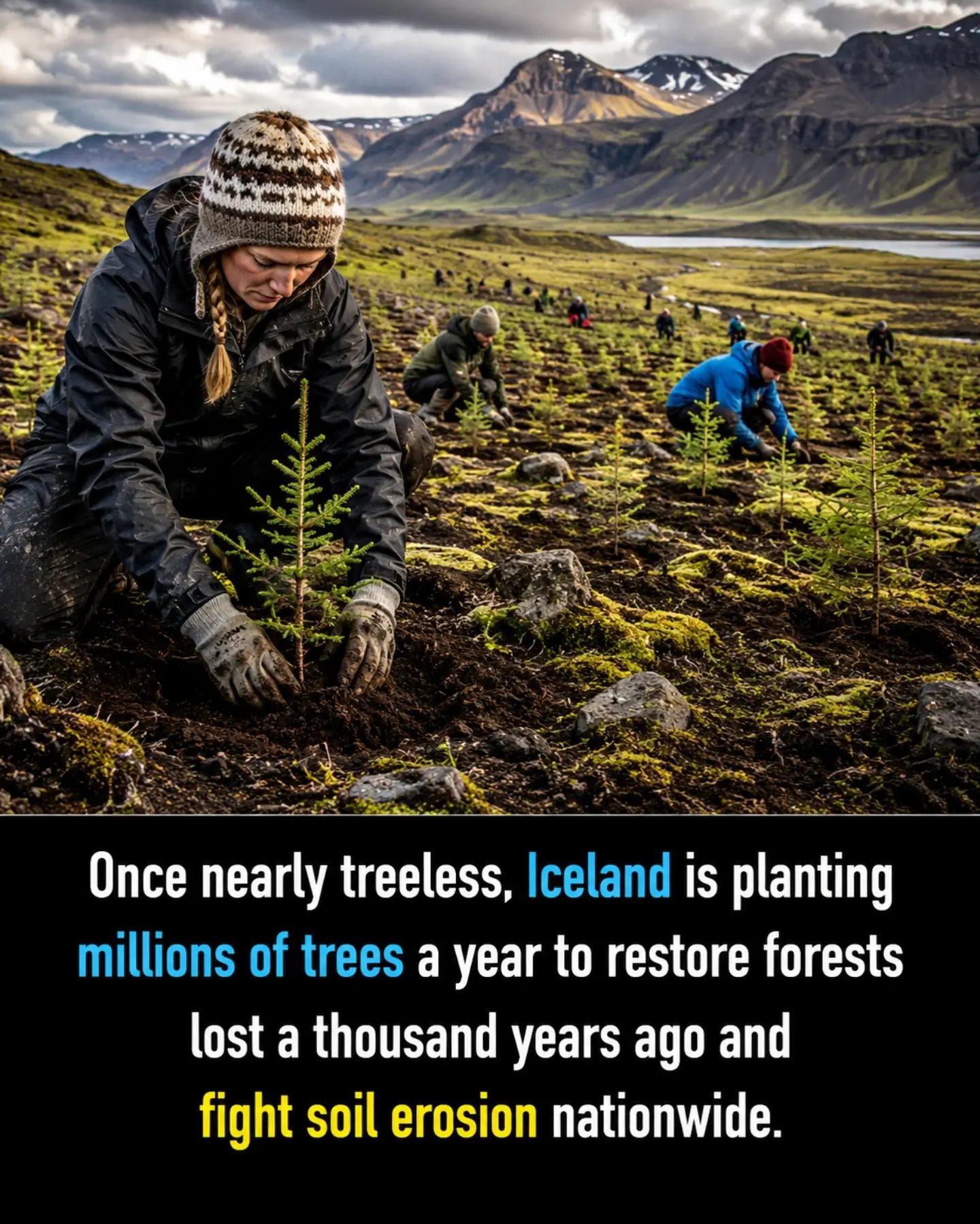
Iceland's landscape, once nearly barren of trees, is undergoing a remarkable transformation. The country is planting millions of trees annually to restore forests lost over a thousand years ago and to combat soil erosion. This initiative is a critical step in environmental conservation and shows the potential for large-scale reforestation efforts.
Why this Matters
Reforestation in Iceland is more than just an ecological endeavor; it's a profound act of environmental restoration. Understanding the scope and impact of these efforts provides valuable insights into global reforestation strategies and the benefits of restoring lost ecosystems.
The Historical Context of Iceland's Forests
Forests Lost to Time
Iceland's forests have a rich history that dates back to the settlement of the Vikings around the 9th century. At that time, the island was covered with birch forests that provided vital resources and habitat. However, centuries of deforestation for fuel, grazing, and farming led to widespread clearance of these forests. By the 20th century, Iceland had lost nearly all of its native forests, leaving the landscape vulnerable to soil erosion and desertification.
The Impact of Deforestation
Deforestation in Iceland had severe consequences. The loss of trees led to increased soil erosion, as there were no roots to hold the soil in place. This erosion stripped the land of its fertile topsoil, making it difficult for vegetation to grow and further exacerbating the problem. The deforestation also affected Iceland's climate, contributing to increased wind speeds and reduced precipitation, which further hindered the growth of new vegetation.
The Need for Restoration
Recognizing the dire consequences of deforestation, Iceland began to implement reforestation programs in the late 20th century. These programs aimed to restore the lost forests and mitigate the effects of soil erosion. The initiative is part of a broader effort to combat climate change, enhance biodiversity, and improve the overall health of the ecosystem.
The Reforestation Efforts
Planting Millions of Trees
Iceland's reforestation efforts are ambitious and far-reaching. The country is planting millions of trees annually, with a focus on native species like birch trees. These native species are well-adapted to Iceland's harsh climate and soil conditions, making them ideal for reforestation.
Combating Soil Erosion
One of the primary goals of these reforestation efforts is to combat soil erosion. By replanting trees, the roots help to stabilize the soil, preventing it from being washed or blown away. This stabilization is crucial for restoring the fertility of the land and promoting the growth of new vegetation.
Restoration of Lost Forests
The reforestation efforts are not just about planting new trees but also about restoring the lost forests. This involves replanting trees in areas where forests once thrived. The goal is to recreate the historical forest cover, which will provide habitat for wildlife, filter water, and sequester carbon.
Fighting Climate Change
Reforestation also plays a critical role in fighting climate change. Trees absorb carbon dioxide from the atmosphere, helping to mitigate the impacts of greenhouse gas emissions. By planting millions of trees, Iceland is making a significant contribution to global efforts to reduce carbon levels and combat climate change.
Practical Tips for Supporting Reforestation
Plant Native Species
When planting trees, it's essential to choose native species that are well-suited to the local climate and soil conditions. Native species are more likely to thrive and contribute to the health of the ecosystem.
Stabilize Soil
To combat soil erosion, consider planting trees and other vegetation that have deep root systems. These plants can help stabilize the soil and prevent it from being washed or blown away.
Promote Biodiversity
Reforestation efforts should aim to promote biodiversity by planting a variety of species. This diversity helps to create a healthy ecosystem that can support a wide range of wildlife.
Get Involved
Supporting reforestation efforts can take many forms, from planting trees in your local area to donating to organizations that work on reforestation projects. Getting involved in these efforts can make a significant difference in restoring lost ecosystems.
Important Takeaways
The Power of Reforestation
Reforestation has the power to transform landscapes and restore lost ecosystems. The efforts in Iceland demonstrate the potential for large-scale reforestation projects to mitigate soil erosion, combat climate change, and promote biodiversity.
The Importance of Native Species
Planting native species is crucial for the success of reforestation efforts. These species are well-adapted to local conditions and can thrive, creating a healthy and sustainable ecosystem.
Community Involvement
Reforestation efforts require community involvement and support. Engaging the public in planting and conservation efforts can help ensure the success of these initiatives.
Long-Term Commitment
Reforestation is a long-term commitment that requires patience and dedication. The benefits of reforestation, such as improved soil health, increased biodiversity, and carbon sequestration, take time to manifest, but the results are well worth the effort.
Conclusion
Iceland's reforestation efforts serve as a powerful example of how environmental restoration can transform a landscape and combat the effects of climate change. By planting millions of trees annually, Iceland is not only restoring its lost forests but also fighting soil erosion and promoting biodiversity. These efforts highlight the importance of large-scale reforestation projects in restoring ecosystems and creating a healthier planet.
Questions readers ask
How many trees is Iceland aiming to plant annually as part of its reforestation initiative?
Iceland is committed to planting millions of trees each year to restore its lost forests and combat soil erosion.
What are the primary goals of Iceland's reforestation mission?
Iceland's reforestation mission has two main goals: to restore forests that were lost over a thousand years ago and to combat soil erosion, which has been a significant issue in the region.
How does planting trees in Iceland help combat soil erosion?
By planting trees, Iceland aims to stabilize the soil, reduce wind and water erosion, and promote soil health, which in turn supports the growth of new vegetation and enhances the landscape.
What can other countries learn from Iceland's approach to reforestation?
Iceland's reforestation efforts demonstrate the feasibility of large-scale tree planting initiatives and provide a blueprint for global forest restoration strategies, highlighting the benefits of restoring lost ecosystems.
What has been the historical impact of deforestation on Iceland's landscape?
Over the centuries, deforestation in Iceland has led to significant soil erosion and a near-barren landscape, making the current reforestation efforts a critical step in reversing these historical impacts and restoring the environment.
What are the key benefits of Iceland's reforestation project beyond ecological gains?
Beyond ecological benefits, Iceland's reforestation project contributes to environmental conservation, demonstrates the potential for large-scale reforestation, and offers a model for global efforts in landscape restoration.
How does Iceland's tree planting initiative contribute to global forest restoration efforts?
Iceland's tree planting initiative sets a precedent for global reforestation by showcasing the success of large-scale tree planting and providing a tangible example of how to restore lost forests, inspiring similar efforts worldwide.
Related deep dives
Similar reads based on topic and creator.



Recent articles
Fresh deep dives from the latest Reels we unpacked.


Comments
Be the first to comment.