Iceland's Renewable Energy
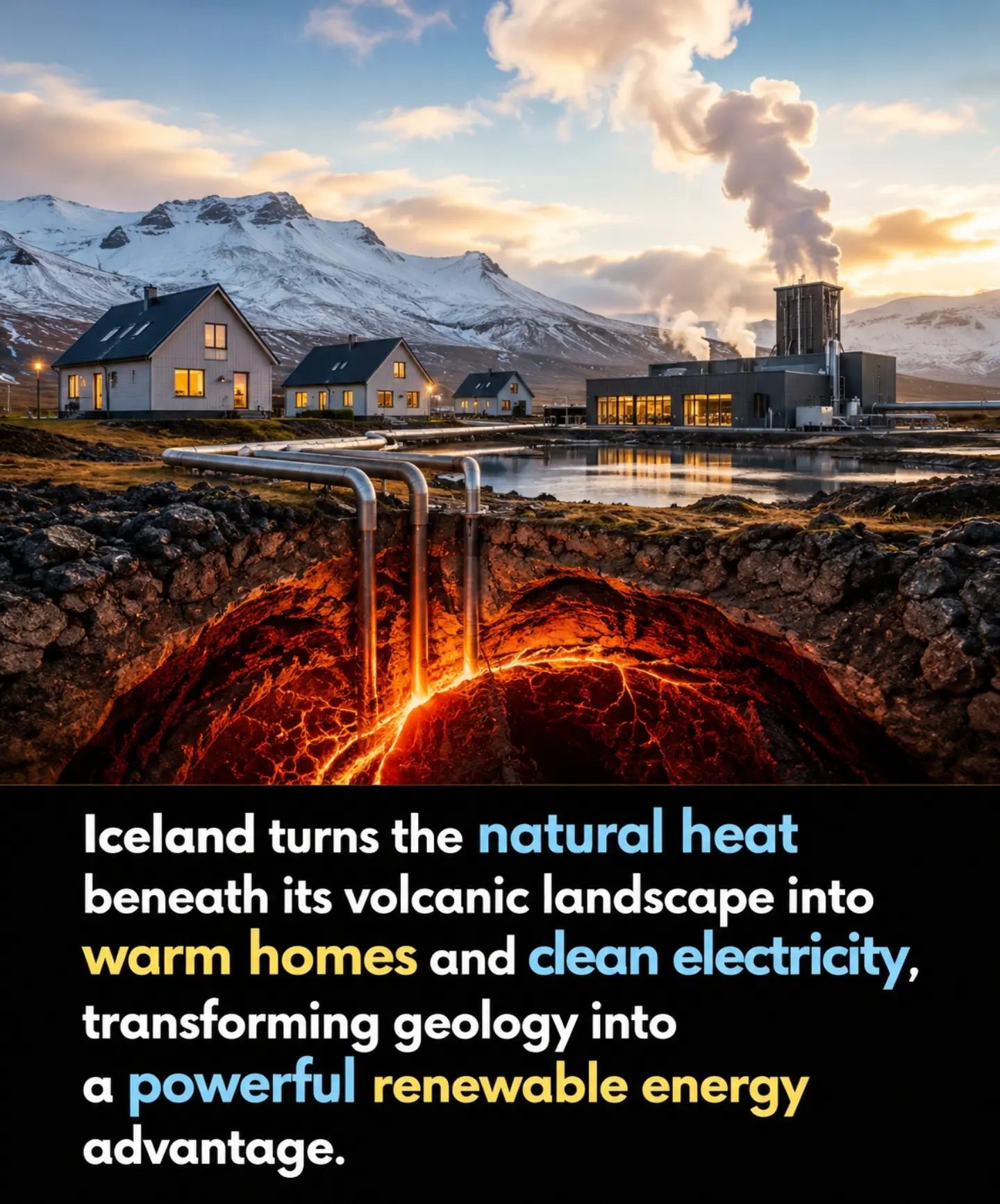
Iceland's commitment to renewable energy is a global benchmark, particularly through its innovative use of geothermal energy. This Nordic island nation leverages its unique geology to provide clean, sustainable power, transforming natural heat into a powerful advantage.
Context / Why this matters
Iceland's journey to becoming a leader in renewable energy is deeply rooted in its geographic and geologic characteristics. The country's volcanic landscape provides an abundant source of geothermal energy, which is efficiently harnessed to generate electricity and heat homes. This approach not only reduces reliance on fossil fuels but also mitigates environmental impact, making it a model for other nations striving for sustainable energy solutions.
Main discussion
Geothermal Energy in Iceland
Geothermal energy harnesses the heat from the Earth's interior, a resource that Iceland has in abundance due to its volcanic activity. This natural heat is tapped through various methods, including drilling into hot water reservoirs beneath the surface. The steam from these reservoirs drives turbines to generate electricity, a process that is both clean and efficient.
How Geothermal Energy Works
The process begins with drilling wells deep into the Earth's crust to access hot water and steam. This geothermal fluid is then piped to the surface, where it is used to generate electricity. The steam rotates turbines connected to generators, producing clean electricity. After the steam has passed through the turbines, it is condensed back into water and reinjected into the reservoir, ensuring a continuous and sustainable energy cycle.
Advantages of Geothermal Energy
One of the primary advantages of geothermal energy is its consistent and reliable nature. Unlike solar or wind energy, which are dependent on weather conditions, geothermal energy is available 24/7. This reliability makes it an ideal base load energy source, capable of meeting the consistent energy demands of homes and industries.
Geothermal Energy Applications
Geothermal energy in Iceland is used for more than just generating electricity. It also plays a crucial role in heating homes and buildings. The natural heat is distributed through a network of pipes, providing warm water and space heating to residential and commercial spaces. This dual use maximizes the efficiency of geothermal resources, making it an even more attractive energy solution.
Heating Homes and Buildings
In Iceland, geothermal energy is a primary source of heat for homes and buildings. The country's district heating systems use geothermal water to heat pipes that run through buildings, providing a consistent and efficient source of warmth. This method is not only environmentally friendly but also cost-effective, reducing heating bills for residents.
Clean Electricity Generation
Geothermal energy also generates a significant portion of Iceland's electricity. The country's geothermal power plants are designed to maximize efficiency, converting heat into electricity with minimal waste. This clean energy source helps Iceland maintain one of the lowest carbon footprints in the world, making it a leader in sustainable energy practices.
Practical tips
Harnessing Geothermal Energy
For those interested in harnessing geothermal energy, it's essential to understand the local geology and the availability of resources. Conducting thorough geological surveys and feasibility studies can help identify potential sites for geothermal energy projects.
Conducting Feasibility Studies
Feasibility studies are crucial in determining the viability of geothermal projects. These studies analyze the geothermal potential of a site, assessing factors such as the depth and temperature of the geothermal reservoirs, as well as the local geology. This information is used to design efficient and sustainable geothermal systems.
Drilling and Extraction Techniques
Drilling into geothermal reservoirs requires specialized techniques and equipment. It’s important to use state-of-the-art drilling methods and experienced geothermal engineers to ensure the process is efficient and environmentally friendly. Advanced drilling technologies help minimize the environmental impact and maximize the extraction of geothermal resources.
Integrating Geothermal Energy
Integrating geothermal energy into existing energy systems can be challenging but rewarding. It requires careful planning and coordination to ensure that the new system works seamlessly with existing infrastructure.
Retrofitting Existing Systems
For those looking to integrate geothermal energy into existing heating and power systems, retrofitting is a viable option. This involves modifying the current infrastructure to accommodate geothermal energy sources, ensuring a smooth transition to renewable energy.
Policy and Regulatory Considerations
Understanding the regulatory environment and policy frameworks is essential for successfully implementing geothermal energy projects. Many countries offer incentives and subsidies for renewable energy projects, which can significantly offset the initial costs.
Important takeaways
Iceland's approach to renewable energy, particularly through geothermal energy, offers valuable insights into sustainable energy practices. By leveraging its unique geology, Iceland has successfully transformed natural heat into clean electricity and warm homes, setting a global standard for renewable energy utilization.
The key takeaways include the importance of thorough feasibility studies, the benefits of geothermal energy's reliability and efficiency, and the potential for integrating geothermal energy into existing systems. Additionally, understanding the regulatory environment and policy frameworks is crucial for the successful implementation of geothermal energy projects.
Conclusion
Iceland's commitment to renewable energy, particularly through geothermal energy, serves as a model for sustainable energy solutions. By harnessing the natural heat beneath its volcanic landscape, Iceland has transformed geology into a powerful renewable energy advantage. This approach not only reduces reliance on fossil fuels but also provides a consistent and efficient source of clean electricity and heating for homes and buildings. As the world continues to seek sustainable energy solutions, Iceland's example offers valuable insights into the potential of geothermal energy.
Questions readers ask
How does Iceland's geology contribute to its geothermal energy production?
Iceland's geology is characterized by its volcanic activity, which creates abundant heat beneath the Earth's surface. This heat is tapped into through geothermal power plants, making Iceland one of the world's leading producers of geothermal energy.
What are the primary benefits of geothermal energy in Iceland?
Geothermal energy in Iceland provides a clean, reliable source of power. It significantly reduces the nation's dependence on fossil fuels, decreases environmental impact, and ensures long-term sustainability. Additionally, it supports electricity and heating systems for homes and businesses.
How does geothermal energy support Iceland's energy independence?
Geothermal energy allows Iceland to generate its own electricity and heating, reducing the need for imported fossil fuels. This homegrown energy source ensures a stable and secure energy supply, contributing to Iceland's energy independence and economic stability.
What are the key uses of geothermal energy in Iceland?
Iceland utilizes geothermal energy for various purposes, including electricity generation, heating homes, and supporting industrial processes. Geothermal heating is particularly notable, as it provides a consistent and eco-friendly way to warm buildings and infrastructure.
How does geothermal energy impact Iceland's environment?
By relying on geothermal energy, Iceland minimizes its carbon footprint and reduces air pollution. This sustainable approach to energy production helps preserve the country's natural beauty and protects its unique ecosystems.
What makes Iceland's geothermal landscape so unique?
Iceland's geothermal landscape is unique due to its high concentration of geothermal activity, including geysers, hot springs, and volcanic features. This landscape not only serves as a source of renewable energy but also attracts tourists, further contributing to the country's economy.
Are there any notable geothermal energy projects or landmarks in Iceland?
Iceland has several iconic geothermal sites, such as the Hellisheiði Power Station, which is one of the largest geothermal plants in the world. Additionally, the Blue Lagoon, a popular geothermal spa, showcases the country's natural geothermal resources and scenic beauty.
Recent articles
Fresh deep dives from the latest Reels we unpacked.




Comments
Be the first to comment.