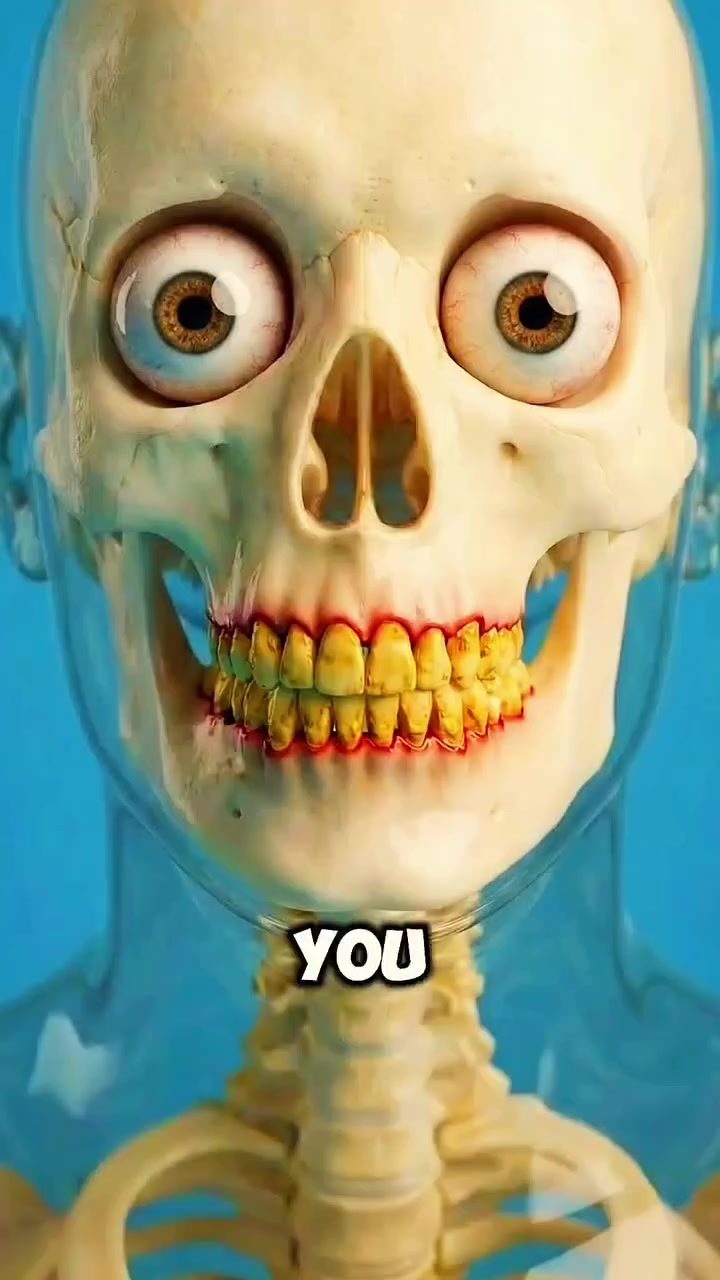
What Happens to Your Teeth When You Don't Brush?
The journey of neglecting oral hygiene, particularly brushing your teeth, is a stark and often uncomfortable reality. Understanding the progression of dental changes over time can be eye-opening and serve as a strong motivator for maintaining good oral health. Let's delve into the visible and structural changes that occur to your teeth when you don't brush them for a month.
Why This Matters
Regular brushing is a cornerstone of dental health, yet many people underestimate its importance. The consequences of neglect can be severe, affecting not just your appearance but also your overall well-being. By understanding what happens when you skip brushing, you can appreciate the necessity of consistent oral care and take proactive steps to maintain your dental health.
The Progressive Effects of Not Brushing Your Teeth
Day 1: The Invisible Layer
The first day without brushing might seem harmless. A transparent layer begins to cover your teeth, altering how the surface reflects light. This layer, barely visible to the naked eye, is the beginning of a build-up that will gradually affect your smile.
Day 3: Losing Shine
By the third day, the film becomes more noticeable. Your smile starts to lose its natural shine, and yellowish tones begin to appear in certain spots. This change is subtle but noticeable, especially under bright light.
Day 7: Rough Texture
A week without brushing reveals a more significant transformation. The layer on your teeth becomes thicker and rougher to the touch. The smooth surface you once had is now visibly altered, and the texture feels different when you run your tongue over your teeth.
Day 14: Color Changes
Two weeks of neglect bring more dramatic changes. The area around your teeth changes color, showing reddish and dark tones. Your smile looks less uniform and much duller, and the contrast between your teeth and gums becomes more pronounced.
Day 21: Hardened Buildup
Three weeks in, the buildup hardens, and the line between your tooth and gum becomes harsh and distinct. The shape of each tooth begins to visually change, and the overall appearance of your smile deteriorates further. The buildup becomes a distinct feature, altering the aesthetics and texture of your teeth.
Day 30: Structural Changes
By the end of the month, the lower part of your tooth looks more exposed. Greenish and brown tones appear, and your teeth lose stability in their position. The structural integrity of your teeth is compromised, and the visual transformation is complete.
The Humorous Take on Oral Health
The skeletal humor used in the visuals adds a lighthearted twist to the serious topic of dental hygiene. The exaggerated eyes and teeth of the skeleton, along with the playful text overlays, create a comedic narrative. The skeleton's thumbs-up at the end suggests a positive or humorous conclusion, encouraging viewers to take oral health seriously while enjoying the lighthearted approach.
Practical Tips for Maintaining Oral Health
Brush Twice a Day
Brush your teeth at least twice a day to remove plaque and prevent the buildup of harmful bacteria. Use a soft-bristled toothbrush and fluoride toothpaste for optimal results.
Floss Daily
Flossing helps remove food particles and plaque from between your teeth and along the gum line, areas that a toothbrush can't reach. Make flossing a part of your daily routine to maintain good oral health.
Regular Dental Check-ups
Visit your dentist regularly for check-ups and cleanings. Professional cleanings can remove tartar and plaque that you can't remove at home, keeping your teeth healthy and strong.
Limit Sugary Foods and Drinks
Sugary foods and drinks contribute to tooth decay. Limit your intake of sugary snacks and beverages, and opt for healthier alternatives to maintain good oral health.
Important Takeaways
Neglecting oral hygiene for even a short period can have significant consequences. From a transparent layer on day one to hardened buildup and structural changes by day thirty, the progression is alarming. By understanding these changes, you can appreciate the importance of consistent brushing, flossing, and regular dental check-ups.
Conclusion
Maintaining good oral hygiene is essential for a healthy smile and overall well-being. By brushing twice a day, flossing daily, and visiting your dentist regularly, you can prevent the detrimental effects of neglecting your teeth. The skeletal humor in the visuals serves as a reminder that oral health is a serious matter, but approaching it with a sense of humor can make it more enjoyable and memorable.
Questions readers ask
What are the initial signs of dental neglect after a few days without brushing?
After just a few days without brushing, you might notice a loss of shine and a rougher texture on your teeth. These initial signs indicate the start of plaque buildup, which can lead to more significant issues if left unaddressed.
How does teeth discoloration start when you stop brushing?
Teeth discoloration begins with the accumulation of plaque and stains from food and drinks. Without brushing, these substances can penetrate the tooth enamel, leading to noticeable color changes over time.
What happens to dental plaque if you don't brush your teeth for a month?
If you don't brush your teeth for a month, dental plaque can harden into tartar, which is much more difficult to remove. This can lead to gum disease and further dental health issues.
How does enamel erosion start from not brushing your teeth?
Enamel erosion begins when acids from plaque and bacteria erode the protective enamel layer on your teeth. Without brushing, these acids can cause significant damage, making your teeth more susceptible to cavities and sensitivity.
What are some effective teeth care tips to prevent dental neglect?
To prevent dental neglect, maintain a consistent brushing routine at least twice a day, floss daily, and use mouthwash. Regular dental check-ups and cleanings are also crucial for maintaining good oral health.
Why is regular brushing of your teeth important to your overall health?
Regular brushing is important because it removes plaque and bacteria that can lead to gum disease and tooth decay. Poor oral health has been linked to various systemic health issues, including heart disease and diabetes, making consistent brushing a key part of overall well-being.
What are the long-term consequences of not brushing your teeth?
Long-term consequences of not brushing your teeth include severe tooth decay, gum disease, tooth loss, and even systemic health problems. Maintaining good dental hygiene can prevent these issues and promote a healthier smile.
Recent articles
Fresh deep dives from the latest Reels we unpacked.



Comments
Be the first to comment.