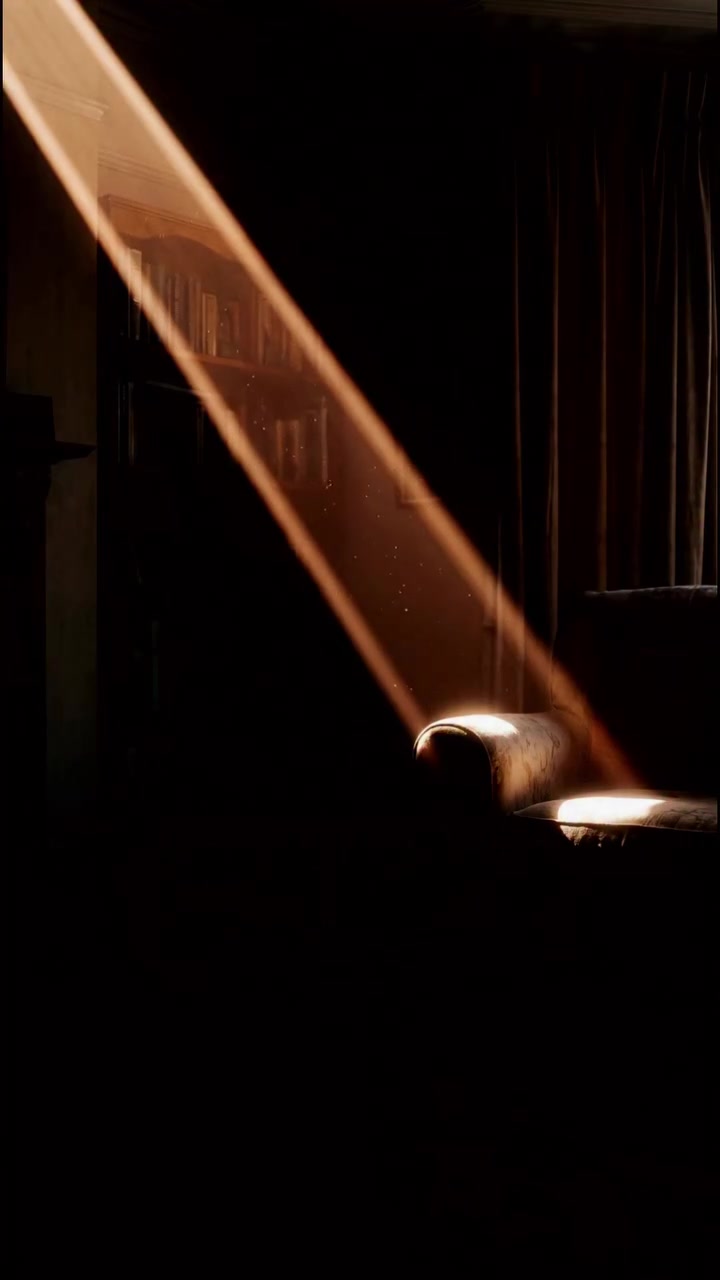
Dust never stays away, no matter how much you clean. It fills those tiny crevices in your rooms and creates that shimmering effect when light hits it. The truth about dust isn't so simple. It's a mix of fibers from the carpet, curtains, sofa, and paint, the soil and grit tracked in from outside, and airborne pollutants. That’s right: the dust you see is actually your shed skin, room debris, and whatever’s in the air.
The Three-sided Origins of House Dust
"That's not dirt," the video narrator punctuates. It's less obvious than we assume. Dust originates from exactly three primary sources. First, indoor materials like carpet, curtains, paint, and synthetic materials gradually break down. The room itself is coming apart, slowly—over many years. Old sofas, for instance, can contribute millions of microfibers to the mix. Second, there's soil and grit. Think of all the soil used in construction, landscaping. This dirt gets on your shoes and ground into the carpet until it's a delicate powder. The particles are everywhere. Third, there is airborne pollutants. From pollen to smoke and exhaust fumes, whatever is in the air makes its way into your house. Then it’s caught in the gravity, held down, and there it stays.
Dust and the health dilemma
Airborne particles are more than just dust. They often contain dangerous pollutants and allergens. Dust allergies—of which there are many types—are one of the most prevalent allergies. What sets off the reactions? Almost everyone gets this wrong. It's not the dust itself that causes the allergy, but the droppings of dust mites. These tiny creatures thrive on shed skin, and each mite can leave around twenty droppings a day. That’s right, all those extractions of stuff you breathe in every day. The problem with dust is that it all accumulates together and stays. It isn't just skin flakes and fibers. Pooled American studies, as a 2016 meta-analysis did, found 45 harmful chemicals in ordinary house dust. This means that each time you inhale dust, you're potentially inhaling a cocktail of potentially toxic chemicals, each one with its own effects. Next time the light catches it, look properly. That's not dirt. That’s the ground outside, the air above your street, the house around you, and the part that’s genuinely you. All of it hanging in a beam of light.
The Pollution Visibility
Dust accumulates in ordinary house dust as the result of three main sources. Indoor materials slowly come apart and are mixed up with soil and grit. Grit and pollutants from the air are also often unavoidable -- even when you try your darndest. Dusting alone doesn't change that dynamic. The dust you see on surfaces may seem like it is just dirt. In most homes, it is not all skin particles, and it is not dirt. Most of your dust is a mixture of something else. The dust that shows up is a combination of the ground outside, the air above your street, the house around you. All are carried with it. Dust floats in the very air you breathe and gets trapped in the light. The pollution visibility is in effect. You cannot seal it out. That’s why it never goes away. None of these three of the three sources ever stop.
What's Inside House Dust
All the sources identified are true. But it's what's inside that makes it a real problem. The accumulation of pollutants in a single spot wreaks havoc. Here's what the fine print shows. The Microscopic View of Fibers and Particles is an excellent visual of the information you don't see. It’s thousands of microscopic dust mites, each leaving around 20 a day. Other harmful things settle together. That's an average of 20,000 per day. It's not just the shear number of microscopic dust mites that will hit you. It's what it contains. The average dust sample contains about 45 chemicals. These compounds cluster together in the dust. This is something that shouldn’t just be called dirt.
The medical implications
When you look at something, then mark it in your head as 'dirt', it usually means 'no problem'. But that’s not the case. Dust allergy, for example, is not a reaction to dust, but to a reaction to a protein in the droppings of the dust mites. For some people, this means dust allergy can be a hypersensitivity reaction that may include itchy, red or watery eyes, sneezing, itchy nose and skin, and nasal congestion.
The Ground with the Air
It is a strange thing that, every time you sneak a peek with the dust particles in the air, you see this proof of the connection of the ground with the air. All that dust you see and breathe everywhere. Think of the dust you see in the light as a signature of everything that’s surrounding you. That’s the air outside, that's what the air contains, and that's what your body feeds to the air. Imagine the universe connecting your body with your environment. This is what that looks like.
How to Live with the Dust Around You
Trying to keep your environment clean and free of dust is a seemingly endless task. Here are some strategies to manage it and keep your space relatively clean:
- Target dust sources: Focus on the three main sources of dust. Regularly clean and vacuum to remove dust from carpet, curtains, and fabrics. Use a vacuum with a HEPA filter to trap tiny particles. Replace carpets to be synthetic with fabrics that are less likely to release fibers.
- Maintain a tidy environment: Keep clutter to a minimum and make it easier to dust. Once it's clean, consider taking care of the sources that are associated with allergens. The goal is to limit the amount of dust that's around the furniture. Remove the clutter to reduce the sources for dust to accumulate. Any doorknobs, railings, or handles. Avoid keeping books in paper form. Shut off HVAC vents and control them.
- Wear a mask, and open windows to air things out. If you have issues, keep a vacuum with a HEPA filter around. The minute you see dust signs, know that it’s airborne, airborne reaction to mites, and chemical-based.
- Use airflow: Improve indoor air quality with regular ventilation. Open doors and windows to let fresh air in and stale air out, and use an air purifier to filter out dust, pollen, and other airborne particles. Dust is an ordinary particle, but it's not just dirt. That’s part of the house, part of the ground, and something you come into contact with every day. It contains the chemicals you inhale and the bacteria you breathe in.
A Moment of Light
Imagine the light coming in, hitting all the dust particles in the air. What you see is the chemical traces that are around your space and the genome of the things you breathe. It’s the ground outside, the air above the street, and the house around you. That’s the part of you that fills the air. That’s the next time it catches the light. All of it’s part of what’s around you. All of it hanging in a beam of light.
Questions readers ask
What exactly is house dust made of?
House dust is a complex mixture of shed skin cells, microfibers from indoor materials like carpets and curtains, soil and grit tracked in from outside, and airborne pollutants such as pollen, smoke, and exhaust fumes. It's not just dirt; it's a combination of various particles that accumulate over time.
Why is house dust a health concern?
House dust can be a health concern because it contains allergens like dust mite droppings and a cocktail of harmful chemicals. When you inhale dust, you're potentially breathing in these allergens and toxins, which can trigger allergies and other health issues.
What are the main sources of house dust?
The three main sources of house dust are indoor materials that gradually break down, soil and grit tracked in from outside, and airborne pollutants. These sources continually contribute to the dust in your home, making it a persistent issue.
Can I completely eliminate dust from my home?
No, you can't completely eliminate dust from your home. Dust is constantly being generated from the three main sources, and it will always find its way back into your living space. Regular cleaning can help reduce it, but it won't make it disappear entirely.
What are dust mites and why are they a problem?
Dust mites are tiny creatures that thrive on shed skin cells. They leave behind droppings that are a common allergen found in house dust. When you inhale these droppings, they can cause allergic reactions and respiratory issues.
Is there a difference between dust and normal dirt?
Yes, there is a difference. Dust is a mix of various particles including shed skin, microfibers from indoor materials, soil, and airborne pollutants. Normal dirt, on the other hand, is primarily composed of soil and minerals from the ground. In most cases, dust is not just dirt.
Related deep dives
Similar reads based on topic and creator.




Recent articles
Fresh deep dives from the latest Reels we unpacked.




Comments
Be the first to comment.