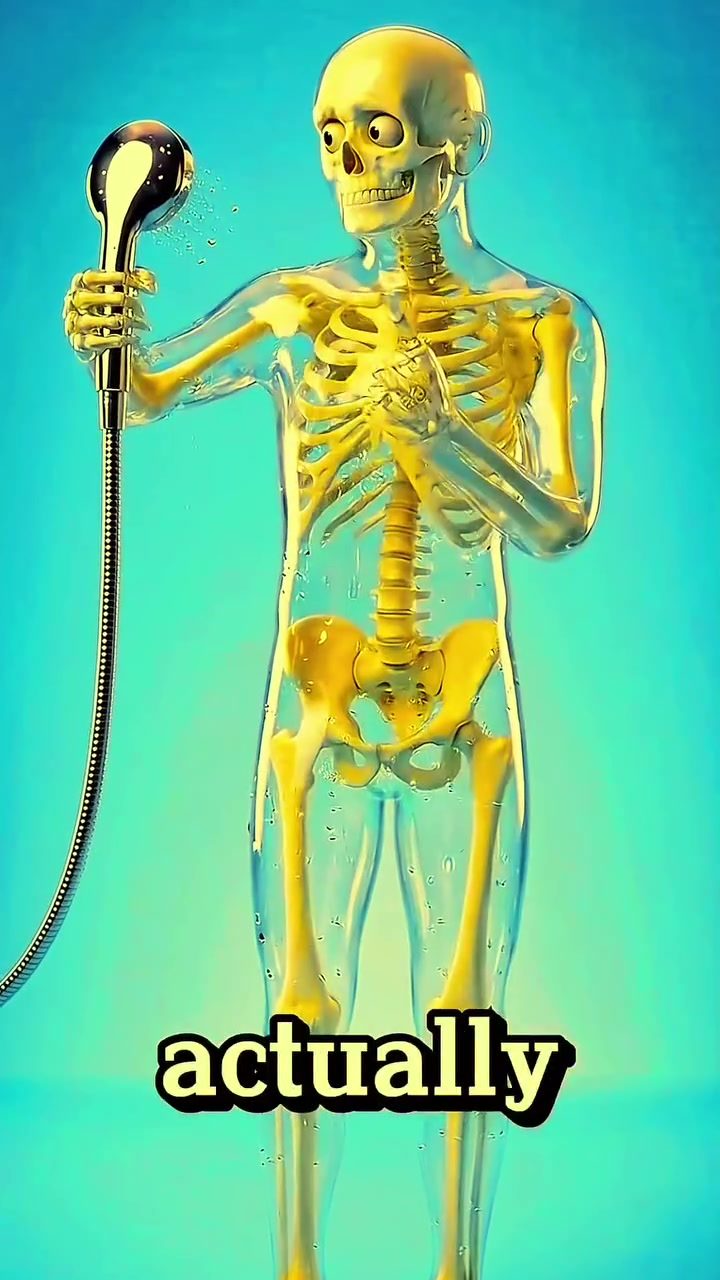
The Consequences of Skipping Showers
Ever wondered what would happen if you stopped showering? While it might seem like a humorous scenario, the reality is quite unpleasant. The process of skipping showers leads to a series of changes on your skin, making you look and feel anything but fresh.
Why This Matters
Understanding the consequences of skipping showers is not just about hygiene; it's about appreciating the importance of regular cleansing for overall health. While the idea of skipping showers might seem humorous, the reality is far from it. Your skin is a protective barrier, and neglecting it can have serious repercussions.
The Phases of Skipping Showers
Day 3: The Grease Phase
On the third day without a shower, your skin will start to look shiny and sticky. This is due to a buildup of natural oils and sweat that get trapped under your skin. Your hair will likely become matted, and you'll look like you've stepped out of a greasy spoon diner.
Week 2: The Bacteria Explosion
By the second week, things get even worse. Bacteria begin to thrive on your skin, causing an unbearable smell. You will constantly feel itchy as microbes feast on dead skin cells. It’s a grim scenario, and it’s a clear sign that your body is crying out for a good cleanse.
Month 1: The Fungal Invasion
After a month without showers, fungal colonies start to form in damp areas like your armpits. This leads to the growth of weird, colorful patches of yeast and fungus. Your skin won’t just look unappealing; it will also feel increasingly uncomfortable and itchy.
Beyond the First Month
The neglect continues to worsen. The buildup of dead skin cells and bacteria transforms into thick, brown, crusty scales. At this point, you’ll look like a human reptile. It's a shocking visual transformation that underscores the importance of regular bathing.
Practical Tips for Maintaining Skin Health
Daily Cleansing
A daily shower helps remove dirt, sweat, and bacteria from your skin. It’s essential for maintaining skin health and preventing infections. While you might be tempted to skip a shower, remember the consequences: a buildup of oils, bacteria, and fungi.
Using the Right Products
Choose a gentle cleanser that suits your skin type. Harsh soaps can dry out your skin, leading to irritation and itching. Opt for products that are soap-free and contain moisturizing ingredients.
Moisturizing
Regularly moisturizing your skin helps maintain its natural barrier. This is especially important in dry climates or during winter. Moisturizers keep your skin hydrated and prevent the buildup of dead skin cells.
Exfoliating
Exfoliating helps remove dead skin cells and unclogs pores. However, it should be done gently and not too frequently, as over-exfoliation can damage your skin. Use a gentle exfoliant once or twice a week to keep your skin looking and feeling fresh.
Managing Sweat and Odor
If you’re particularly active, you might want to consider using an antiperspirant. These products help control sweat and odor, which can be a significant benefit, especially during hot weather or intense physical activity. Choose an antiperspirant that is gentle on your skin and doesn't irritate it.
Important Takeaways
The consequences of skipping showers are serious and should not be taken lightly. Regular cleansing is crucial for maintaining skin health. The idea that skipping showers will save time or water is misguided; the benefits of cleanliness far outweigh these concerns. Your skin deserves care, and regular showers are a fundamental part of that care.
Conclusion
Maintaining good hygiene is essential for both your physical and mental well-being. Skipping showers might seem like a harmless habit, but the long-term effects can be severe. By understanding the stages of skin degradation that occur without regular cleansing, you can appreciate the importance of a simple yet vital practice.
Questions readers ask
What are the immediate effects of skipping a single day of showering?
If you skip a day of showering, you might notice your skin feeling slightly greasy or sticky. This is due to the buildup of natural oils and dead skin cells that your body produces daily. Additionally, you may start to feel less fresh.
How does skipping showers affect the bacterial balance on the skin?
When you stop showering, the bacterial balance on your skin can be disrupted. Regular showering helps to remove excess bacteria, but without it, some bacteria can proliferate, leading to issues like body odor and potentially more serious skin problems.
What happens to the skin after a week without showering?
After a week without showering, your skin may become significantly greasier, and you might experience body odor. Additionally, the risk of fungal infections increases, as fungal species thrive in warm, moist environments that can develop from lack of cleansing.
Can skipping showers lead to long-term skin issues?
Yes, prolonged periods without showering can lead to long-term skin issues. Accumulated oils, bacteria, and fungi can cause infections, exacerbate acne, and lead to other skin conditions. Regular showering helps mitigate these risks.
What are the benefits of daily showering?
Daily showering helps to remove dirt, sweat, and dead skin cells, maintaining a healthy skin barrier. It also helps control body odor and reduces the risk of skin infections by regulating bacteria and fungi levels on the skin.
Why is it important to shower regularly for overall health?
Regular showering is crucial for overall health as it helps maintain personal hygiene, prevents the buildup of harmful bacteria, and reduces the risk of skin infections. It also supports mental well-being by promoting a sense of freshness and cleanliness.
What are the potential risks of skipping showers for extended periods?
Skipping showers for extended periods can lead to several risks, including increased body odor, skin infections, and a higher likelihood of acne breakouts. The buildup of oils and bacteria can create an environment conducive to fungal growth, potentially leading to more serious health issues.
Recent articles
Fresh deep dives from the latest Reels we unpacked.

Comments
Be the first to comment.