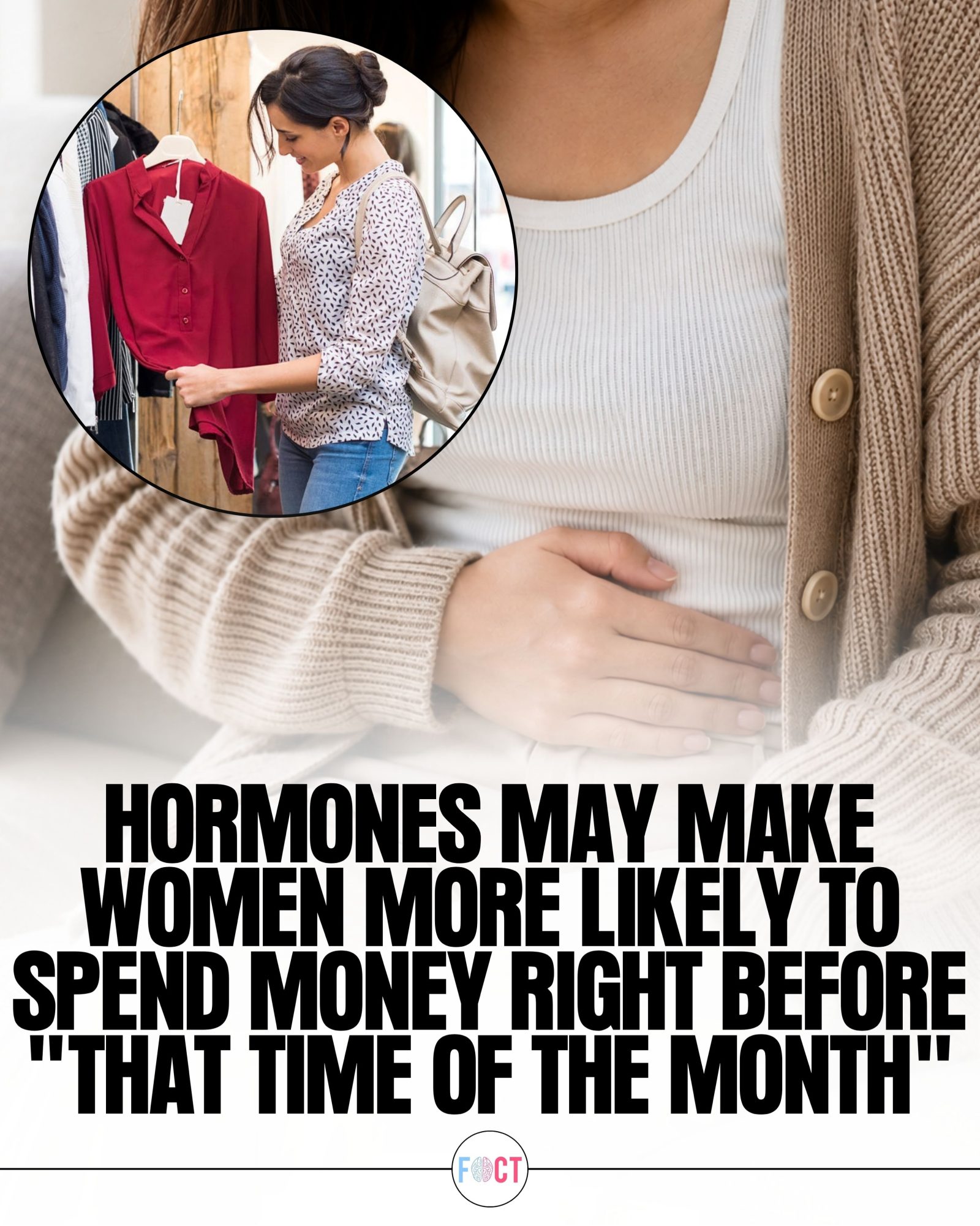
Hormones and Spending Habits
Hormonal fluctuations can significantly impact a woman's spending habits, particularly during certain phases of the menstrual cycle. This influence is most pronounced during the luteal phase, which spans from ovulation to menstruation. Understanding this connection can provide valuable insights into why women might be more prone to impulse spending at specific times of the month.
Why This Matters
The luteal phase is characterized by a surge in progesterone and a decrease in estrogen, which can lead to increased sensitivity and emotional responses. These hormonal changes can make women more vulnerable to emotional and reward-seeking behaviors, potentially leading to impulse purchases. Recognizing these patterns can help manage finances more effectively and make informed decisions about spending.
Main Discussion
The Role of Hormones in Spending Behavior
During the luteal phase, the body undergoes significant hormonal changes. Progesterone levels rise, and estrogen levels drop, creating a hormonal imbalance that can affect mood and behavior. This hormonal shift can heighten emotional responses, making individuals more susceptible to impulsive decisions, including spending money on items they might not otherwise purchase.
Research has shown that hormonal fluctuations can influence the brain's reward centers, making some purchases feel more rewarding. This heightened emotional state can make it harder to resist certain temptations, leading to increased spending on items like beauty products, clothes, and other non-essential goods.
The Impact of Stress and Emotions
Stressful weeks or emotional turmoil can exacerbate the effects of hormonal changes on spending habits. When combined with the emotional sensitivity of the luteal phase, stress can lead to a greater likelihood of impulsive purchases. This is often seen in the form of late-night shopping sprees or buying items to boost mood or alleviate stress.
The Connection Between Emotional and Rward-Seeking Behaviors
The luteal phase is often associated with increased emotional and reward-seeking behaviors. This phase can make individuals more prone to seek immediate gratification, which can translate into increased spending. The brain's reward centers become more active, making the act of purchasing feel more satisfying and rewarding. This heightened state of reward-seeking can explain why some women might find it harder to resist the urge to buy items they don't necessarily need but want for immediate gratification.
Practical Tips
Track Your Spending
One effective way to manage impulsive spending is to track your purchases. Keeping a record of your spending habits can help you identify patterns and understand when you are more likely to make impulsive purchases. By tracking your spending, you can gain insights into your behavior and take proactive steps to curb excessive spending.
Plan Your Purchases
Planning your purchases in advance can help you avoid impulse buys. Make a list of items you need and stick to it. This approach can help you stay focused on your essential needs and reduce the likelihood of overspending on non-essential items.
Practice Mindful Shopping
Mindful shopping involves being fully present and aware during the shopping process. Take a moment to consider whether you need an item before making a purchase. Ask yourself if the item will add value to your life or if it is just a fleeting desire. By practicing mindfulness, you can make more informed decisions and avoid impulsive purchases.
Seek Alternative Coping Mechanisms
If you find yourself turning to shopping as a coping mechanism for stress or emotional discomfort, consider exploring alternative ways to manage these feelings. This could include exercise, meditation, or engaging in hobbies that bring you joy. By finding healthier coping mechanisms, you can reduce the likelihood of impulsive spending.
Create a Budget
Creating a budget can help you manage your finances more effectively and prevent overspending. Allocate funds for essentials, savings, and discretionary spending. By sticking to your budget, you can ensure that you are spending within your means and avoiding impulsive purchases.
Important Takeaways
- Hormonal fluctuations, particularly during the luteal phase, can significantly impact spending habits.
- Emotional and reward-seeking behaviors are heightened during this phase, making it harder to resist temptations.
- Tracking your spending, planning purchases, and practicing mindful shopping can help manage impulsive spending.
- Finding alternative coping mechanisms and creating a budget can also support better financial management.
Conclusion
Understanding the connection between hormonal changes and spending habits can provide valuable insights into managing finances more effectively. By recognizing the influence of the luteal phase on emotional and reward-seeking behaviors, women can take proactive steps to curtail impulsive spending. Implementing practical strategies such as tracking spending, planning purchases, and seeking alternative coping mechanisms can help maintain financial stability and avoid the pitfalls of hormone-driven shopping.
Questions readers ask
What is the luteal phase and how does it affect spending habits?
The luteal phase occurs from ovulation to menstruation. During this phase, progesterone levels surge and estrogen decreases, which can heighten emotional responses and sensitivity, potentially leading to more impulse purchases.
How do hormonal fluctuations influence women's shopping behaviors?
Hormonal fluctuations, particularly the changes in progesterone and estrogen during the luteal phase, can make women more susceptible to emotional and reward-seeking behaviors, which may result in increased impulse buying.
Why do women experience more impulse purchases during the late menstrual cycle?
The late menstrual cycle, or the luteal phase, is marked by hormonal changes that can enhance emotional sensitivity, making women more likely to engage in spontaneous and impulsive spending.
Can understanding hormonal impacts help in managing finances?
Yes, knowing how hormonal fluctuations affect spending habits can provide insights into when women might be more prone to impulse purchases. This awareness can aid in planning and managing finances more effectively. This can help individuals anticipate periods of increased spending and take proactive steps to mitigate any potential financial impacts.
What specific hormones are involved in the changes in spending habits during the menstrual cycle?
The primary hormones involved are progesterone and estrogen, both of which fluctuate significantly during the menstrual cycle, particularly in the luteal phase. These hormonal changes can influence emotional responses and decision-making, leading to different spending habits.
How can women manage their spending habits during the luteal phase?
Women can manage their spending habits by being aware of the luteal phase and its potential effects on spending. Strategies might include setting spending limits, avoiding impulsive shopping, and planning purchases in advance to mitigate the impact of hormonal fluctuations.
Are there any other phases of the menstrual cycle that affect spending habits?
While the luteal phase is the most impactful, other phases, such as the follicular phase (from menstruation to ovulation), may also influence spending habits, albeit to a lesser extent. The follicular phase is characterized by rising estrogen levels, which can affect mood and behavior but typically does not lead to the same degree of impulse spending as the luteal phase.
Recent articles
Fresh deep dives from the latest Reels we unpacked.




Comments
Be the first to comment.