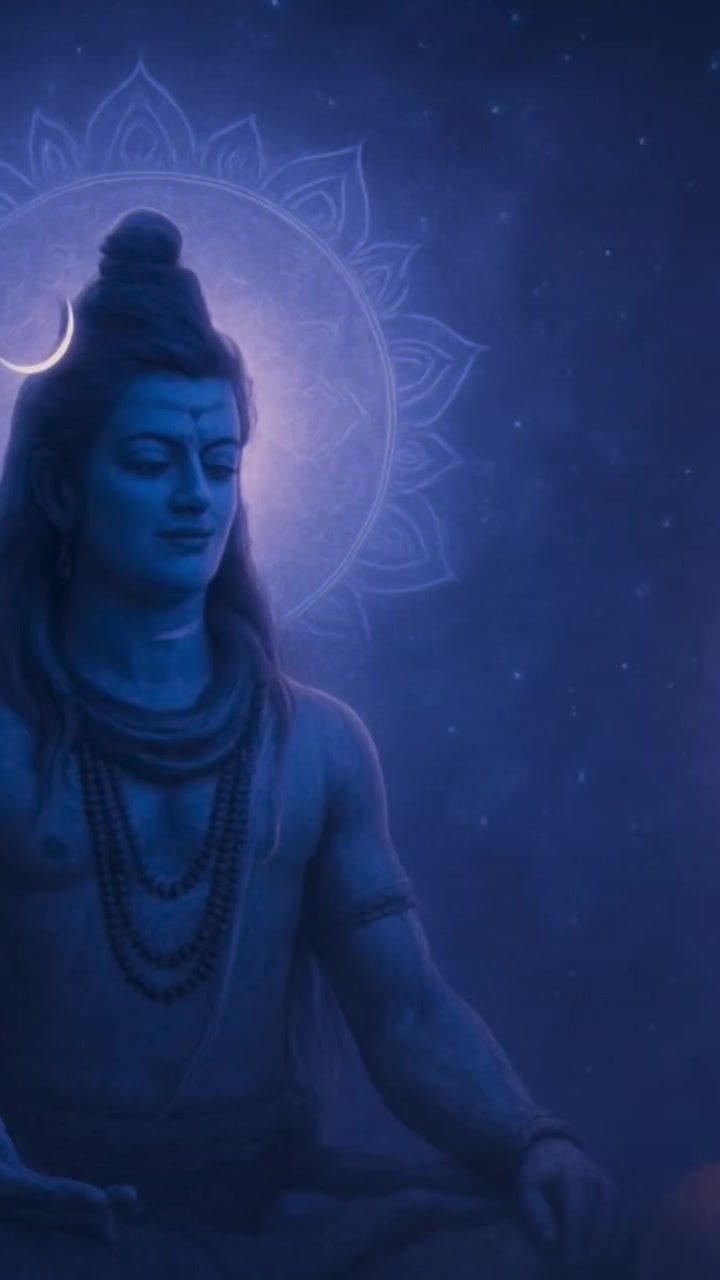
Hindu Deities Shiva and Brahma: Iconography and Symbolism
Context / Why this matters
The Hindu pantheon is richly diverse and each deity represents nuanced aspects of life and the universe. Among the most prominent are Lord Shiva and Lord Brahma, who embody destruction and creation respectively. Understanding their symbolic representations provides a deeper appreciation of Hindu philosophy and art.
Iconography of Lord Shiva
Depiction and Symbolism
Lord Shiva's iconography is deeply rooted in Hinduism, with numerous symbols that convey his profound significance. One of the most iconic representations of Shiva is the depiction of a crescent moon and sun-like halo, often seen behind him. These elements symbolize the eternal cycle of life, death, and rebirth, reflecting Shiva's role as the destroyer and transformer. The crescent moon, in particular, represents the cycles of time and the waxing and waning of life.
Traditional Iconography
In traditional Hindu iconography, Shiva is often depicted with a serene face, adorned with traditional jewelry and clothing. This representation portrays a sense of tranquility and spiritual power. He may also be shown holding a trident, symbolizing the threefold nature of the universe: creation, preservation, and destruction.
Iconography of Lord Brahma
Representation in Art
Lord Brahma, the Hindu god of creation, is often depicted with multiple faces and arms. This visual representation encapsulates his role in the creative process, where he is seen as the one who brings forth the universe. The multiple faces signify the multitude of forms and aspects of creation, while the multiple arms denote the various tools and symbols associated with creation.
Symbolic Objects
Brahma is traditionally shown holding several symbolic objects, including a scepter, a rosary, and a prayer book. These items symbolize his various roles and attributes. The scepter represents his power and authority, while the rosary and prayer book are symbols of his meditative and contemplative nature, essential for the process of creation.
Background and Atmosphere
Images of Brahma often feature a bright, ethereal background, complete with light and mountainous landscapes. This setting enhances the divine and transcendent nature of the deity, creating a dramatic and otherworldly atmosphere.
The Mountain Landscape with Temple
Natural Beauty and Serenity
A vision of a snow-capped mountain range with a small stone temple situated on a rocky outcrop evokes a sense of tranquility and natural beauty. These landscapes are not just scenic but also hold spiritual significance, often associated with places of pilgrimage and meditation. The clear blue sky and the distant body of water add to the overall serene ambiance, inviting reflection and introspection.
Practical Tips for Understanding Hindu Iconography
Exploring Symbolism
When exploring Hindu iconography, it is essential to pay attention to the symbols and their significance. Each element in the artwork, from the clothing and jewelry to the objects held by the deities, has a deeper meaning. Understanding these symbols can enhance one's appreciation and connection to the spiritual themes depicted.
Cultural Context
To fully grasp the nuances of Hindu iconography, it is beneficial to learn about the cultural and historical context in which the artworks were created. This includes understanding the myths, legends, and philosophical beliefs associated with the deities. For instance, knowing the significance of the trident in Shiva's hand can deepen one's understanding of his role as the destroyer and transformer.
Important Takeaways
Duality and Balance
In Hindu philosophy, the concepts of creation and destruction are seen as interconnected and essential for the balance of the universe. Lord Brahma and Lord Shiva, as embodiments of these concepts, represent this duality.
Spiritual Power and Serenity
The serene and powerful depictions of these deities evoke a sense of spiritual power and tranquility, inviting viewers to reflect on their own spiritual journey and connection to the divine.
Cultural Significance
Hindu iconography is not just about religious symbolism; it is also a rich reflection of cultural heritage and artistic expression. Understanding these elements can provide a deeper appreciation of Hindu art and philosophy.
Conclusion
The iconography of Lord Shiva and Lord Brahma, along with serene landscapes, offers a rich tapestry of spiritual and cultural significance. From the symbolism of the crescent moon and sun halo to the multiple faces and arms of Brahma, each element tells a story of creation, destruction, and the eternal cycle of life. By exploring these representations, one can gain a deeper understanding of Hindu philosophy and its profound impact on art and culture.
Recent articles
Fresh deep dives from the latest Reels we unpacked.



Comments
Be the first to comment.