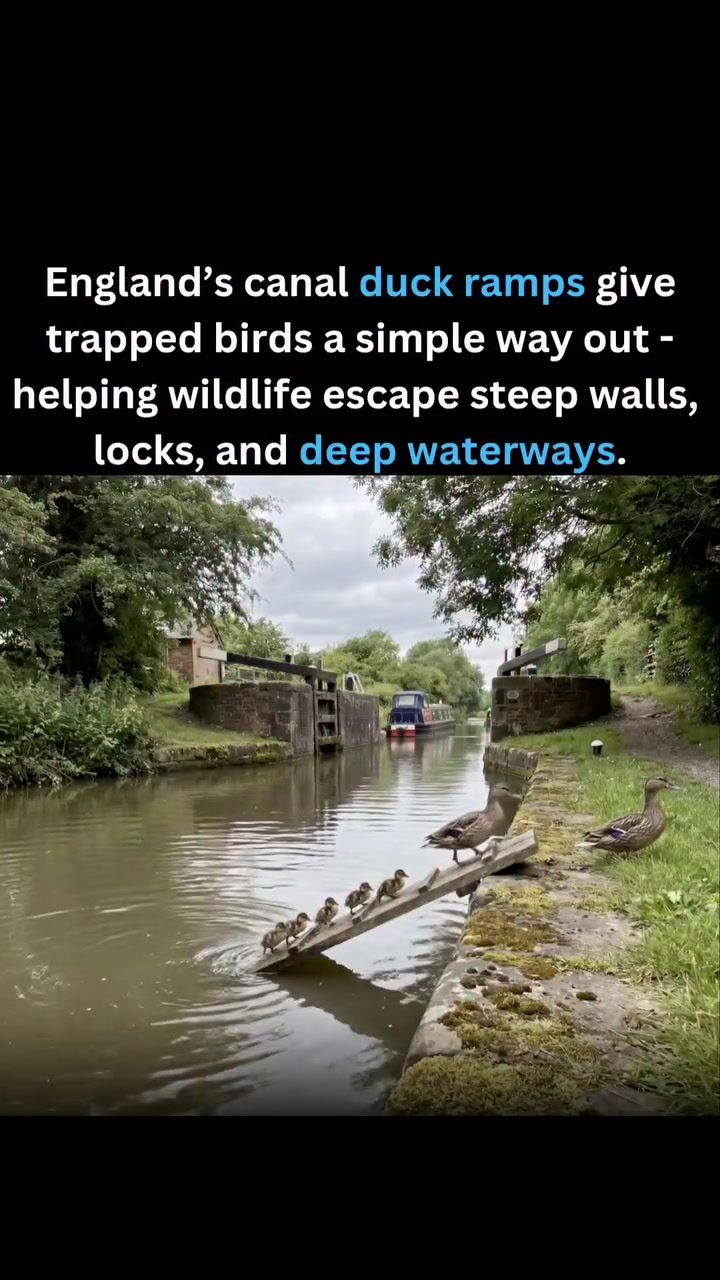
Duck Ramps in Canals: A Lifeline for Wildlife
Across England, canal systems are not just waterways for transportation and recreation, but also critical habitats for a variety of wildlife, particularly ducks. The introduction of duck ramps in these canals has provided a much-needed solution to help birds navigate the challenging environment.
Context / Why This Matters
Canals, with their steep walls, locks, and deep water, can be treacherous for wildlife, especially for ducks and their young. These waterways, while beautiful and historically significant, present significant barriers to the safe movement of wildlife. Without a means to easily exit the water, birds can become trapped, facing risks like predation, dehydration, and exhaustion. Duck ramps offer a simple yet effective way to mitigate these issues, ensuring that wildlife can safely navigate the canal environment.
Main Discussion
The Design and Function of Duck Ramps
Duck ramps are specifically designed to provide a gentle incline that allows ducks to easily climb out of the water and onto the canal banks. These ramps are typically built into the canal walls, ensuring easy access for the birds. The design varies, but the core principle remains the same: to offer a safe and straightforward escape route. The ramps are particularly beneficial for ducklings, which may struggle with the steep walls and deep water.
Benefits for Wildlife
The primary benefit of duck ramps is the safety they provide for wildlife. By offering a way out of the water, these structures help ducks avoid the dangers of being trapped. This is especially important for ducklings, which are more vulnerable and less capable of navigating tough terrain. The ramps also support the overall health of the ecosystem by ensuring that birds can move freely, which is crucial for their foraging and nesting behaviors.
Implementation in England's Canal System
This initiative has been implemented across England's extensive canal network, with ramps installed in various locations. The success of these ramps is evident in the increased sightings of ducks and ducklings using them to safely exit the water. This initiative highlights a proactive approach to wildlife conservation, focusing on creating a harmonious coexistence between human infrastructure and natural habitats.
Practical Tips
For Wildlife Enthusiasts and Conservationists
If you're a wildlife enthusiast or conservationist, there are several ways you can support and promote the use of duck ramps in your local canals:
- Awareness and Advocacy: Raise awareness about the benefits of duck ramps in your community. Share information about their positive impact on wildlife and the environment.
- Support Local Initiatives: Get involved with local conservation groups or wildlife organizations that are working to install duck ramps. Volunteer your time or resources to support their efforts. Give financial support if you can.
- Monitor and Report: Keep an eye on the ramps in your area and report any issues or necessary maintenance to the relevant authorities. Regular monitoring ensures that the ramps remain functional and safe for wildlife.
Important Takeaways
- Duck ramps provide a vital escape route for ducks and ducklings in canal environments, helping them avoid steep walls, locks, and deep waterways.
- These structures support overall wildlife conservation and create a safer habitat for birds.
- This initiative is part of a broader effort to integrate wildlife-friendly features into human infrastructure.
Conclusion
The introduction of duck ramps in England's canal system is a testament to the innovative and practical solutions that can be implemented to support wildlife conservation. By providing a simple way for ducks and ducklings to safely exit the water, these ramps ensure that birds can navigate the canal environment without facing unnecessary risks. This initiative not only benefits the wildlife but also contributes to the overall health of the ecosystem, highlighting the importance of creating harmonious coexistence between humans and nature.
Questions readers ask
What are duck ramps and why are they important in England's canals?
Duck ramps are structures installed in England's canals to help ducks safely exit the water. They are important because canals often have steep walls and deep water, making it difficult for ducks, especially ducklings, to get out. These ramps provide a gentle slope that allows ducks to escape the water and rest safely on the canal banks.
How do duck ramps benefit the wildlife in canals?
Duck ramps significantly benefit canal wildlife by reducing the risks ducks face when navigating these waterways. They help prevent injuries and fatalities caused by exhaustion or dehydration. Additionally, they mitigate the risk of predation by providing ducks with a safe route to higher ground where they can rest and escape potential predators.
Who installs and maintains duck ramps in England's canals?
Duck ramps in England's canals are typically installed and maintained by local authorities, canal management organizations, and wildlife conservation groups. These entities work together to ensure the structures are functional and accessible, providing a reliable escape route for ducks and other wildlife.
How can individuals help ducks in canals besides installing ramps?
Individuals can help ducks in canals by reporting any damaged or obstructed ramps to local authorities. Additionally, they can support organizations involved in wildlife conservation and canal maintenance, and observe wildlife from a safe, non-intrusive distance to avoid causing disturbances.
Are duck ramps beneficial for other wildlife besides ducks?
Yes, duck ramps can benefit other wildlife as well. Many other animals, such as small mammals, reptiles, and amphibians, may also use these ramps to navigate the canal environment safely. By providing a means to exit the water, duck ramps contribute to the overall safety and well-being of various species that inhabit or traverse canal ecosystems.
Related deep dives
Similar reads based on topic and creator.


Recent articles
Fresh deep dives from the latest Reels we unpacked.
Comments
Be the first to comment.