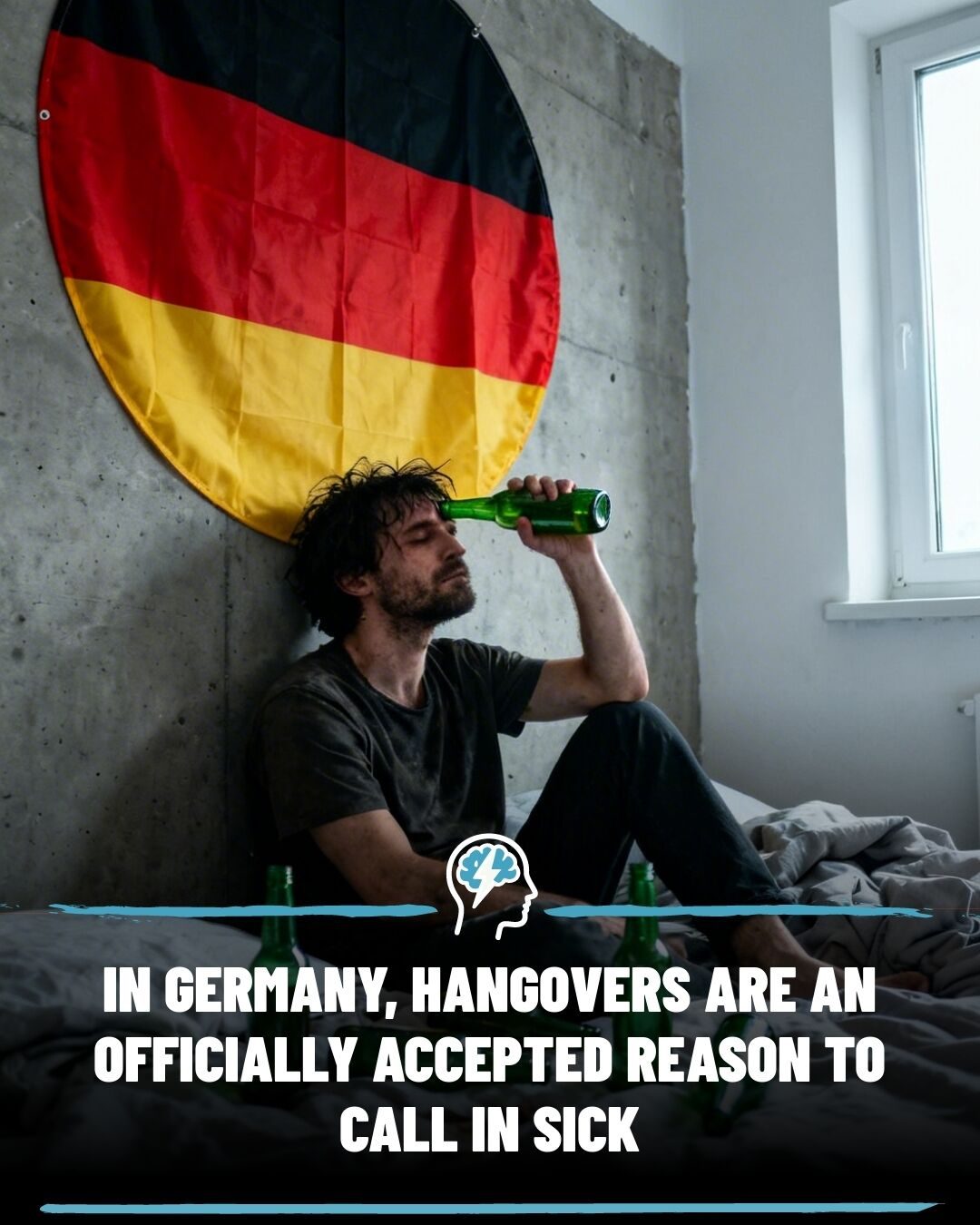
Hangovers and Sick Leave in Germany
German labor law has a unique approach to sick leave, particularly when it comes to hangovers. Many might be surprised to learn that hangovers can be an accepted reason for taking a sick day in Germany. This is because the German system focuses on whether an employee is genuinely unable to work, rather than the cause of their incapacity.
Why this matters
Understanding how German labor law handles sick leave, especially in the context of hangovers, can provide valuable insights into workplace policies and employee rights. It reflects a broader philosophy that prioritizes worker wellbeing and honest medical assessment. This approach can be contrasted with other countries' labor laws, offering a global perspective on employee rights and employer responsibilities.
Main discussion
The Legal Framework
German labor law operates under a straightforward principle: if a doctor determines that an employee's symptoms make them unfit for work, they can issue a medical certificate. This certificate is legally binding, and employers are obligated to accept it, regardless of the underlying cause. This means that genuine hangover symptoms, such as severe nausea, dizziness, headaches, or impaired concentration, could qualify for certification if they genuinely prevent an employee from performing their duties safely.
Employer and Employee Responsibilities
One of the key advantages of this system is that employers cannot judge employees based on the cause of their illness. The medical certificate speaks for itself, and employers must accept it as proof of incapacity. This approach ensures that employees are not penalized for circumstances beyond their control, such as a night of heavy drinking.
However, there is a critical caveat. Threatening to take sick leave when healthy or fabricating illness constitutes an abuse of rights. German courts have ruled that this can result in immediate dismissal without notice. The scenario only applies when symptoms are genuine and medically verified.
The Broader Philosophy
This approach reflects a broader philosophy in German employment law. The focus is on worker wellbeing and honest medical assessment rather than policing how someone became ill. This philosophy ensures that employees are treated fairly and that workplaces are safe and productive.
Practical tips
If You're an Employee
If you find yourself with a hangover that genuinely prevents you from working, follow these steps:
- Consult a Doctor: If your symptoms are severe, consult a doctor. They can assess your condition and issue a medical certificate if necessary.
- Provide Documentation: Ensure that you have the necessary documentation to support your sick leave. This certificate should be legally binding and accepted by your employer.
- Honesty is Key: Always be honest about your condition. Fabricating illness can lead to serious consequences, including dismissal.
If You're an Employer
If you're an employer, here are some tips to handle sick leave effectively:
- Understand the Law: Familiarize yourself with German labor laws regarding sick leave. Ensure that you understand the requirements and obligations under these laws.
- Accept Medical Certificates: Accept medical certificates as proof of incapacity. Do not question the underlying cause of the illness.
- Promote a Healthy Work Environment: Encourage a work environment that promotes employee wellbeing and honesty.
Important takeaways
- Hangovers as Sick Leave: In Germany, hangovers can be an accepted reason for taking a sick day, provided the symptoms are genuine and medically verified.
- Focus on Incapacity, Not Cause: German labor law focuses on whether an employee is genuinely unable to work, not why they ended up that way.
- Legal Binding Certificates: Medical certificates issued by doctors are legally binding and must be accepted by employers.
- Honesty and Fairness: The system promotes honesty and fairness, ensuring that employees are treated justly and that workplaces are safe and productive.
- Consequences for Abuse: Fabricating illness or threatening to take sick leave when healthy can result in immediate dismissal without notice.
Conclusion
Hangovers can be an officially accepted reason to call in sick in Germany, provided they are genuine and medically verified. This unique approach to labor law reflects a broader philosophy that prioritizes worker wellbeing and honest medical assessment. Understanding this system can offer valuable insights into workplace policies and employee rights, providing a global perspective on how different countries approach employee health and safety.
Questions readers ask
Can I take a sick day in Germany if I have a hangover?
Yes, in Germany, you can take a sick day if you have a hangover. German labor law focuses on your ability to work, not the cause of your illness. If a hangover leaves you genuinely unable to perform your job, you can call in sick.
What happens if I falsely claim a hangover to take a sick day?
Falsely claiming a hangover or any illness to take a sick day can lead to immediate dismissal in Germany. Employers take honesty seriously, and deceit can result in severe consequences, including termination.
How do I call in sick with a hangover in Germany?
To call in sick, inform your employer as soon as possible. There is no specific process for hangovers. You will need to notify your employer and follow their specific process to report your absence. You may need to provide a medical certificate if asked, but this is not always necessary for short-term absences.
Do German employers have to accept hangovers as a valid reason for sick leave?
Yes, German employers must accept hangovers as a valid reason for sick leave if they genuinely impair your ability to work. German labor law requires employers to prioritize employee wellbeing and honest medical assessment.
How does Germany's approach to hangovers and sick leave compare globally?
Germany's approach is unique. Many other countries do not have such clear stipulations for hangover-related sick leave. German law emphasizes worker wellbeing and honest assessment, reflecting a broader philosophy on employee rights and employer responsibilities.
What if my employer doubts my hangover?
If your employer doubts your hangover, they may ask for a medical assessment. It's important to be honest, as falsifying illness can lead to dismissal. If you genuinely cannot work due to a hangover, your employer should accept this. You may need to provide proof of your medical assessment such as a doctor's note.
Can I be penalized for taking a sick day due to a hangover?
No, you cannot be penalized for taking a sick day due to a hangover. German labor law protects employees from penalties related to illnesses. However, it's crucial to be truthful, as misusing sick leave can result in repercussions.
Related deep dives
Similar reads based on topic and creator.



Recent articles
Fresh deep dives from the latest Reels we unpacked.




Comments
Be the first to comment.