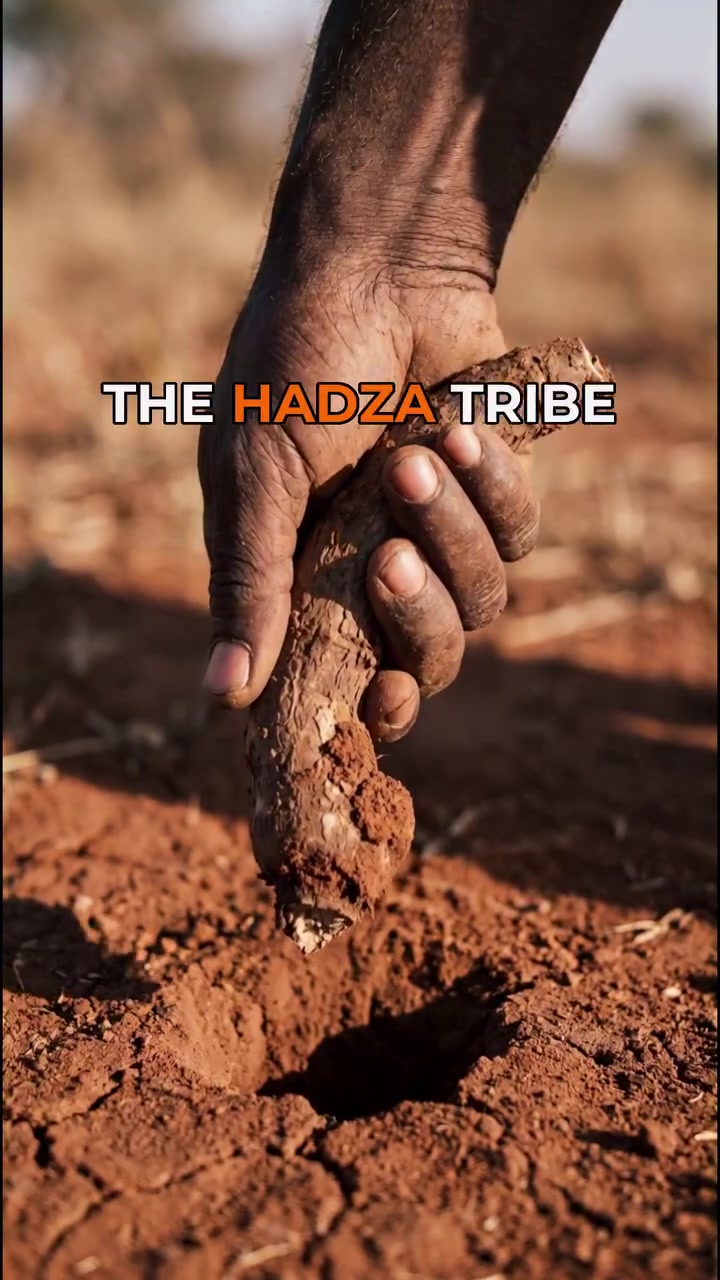
The Hadzab — a gut-health blueprint from another era
The Hadza people of Tanzania, one of the world's remaining foraging tribes, consume a whopping 100 grams of fibre a day. The average Western diet offers only 15 grams. Their gut health is remarkable. For inguing why their guts remain among the healthiest ever measured, we need not look to lab-created pills. Rather, their secret lies in the ground.
The Guts of the Last Foragers
The Hadza move with the seasons, forging a life of radical food diversity. From wild honey and baobab fruit to starchy roots and lean game, the Hadza consume whatever their environment provides — and they consume it whole. Hunter-gatherer diets avoid the pitfalls of industrial agriculture. There is a mineral-rich, fiber-heavy diet. This diet includes natural sugars from honey and berries as well as starches and proteins from plants and game.
Harvesting Roots & Berries
Starchy roots, dug fresh from the ground, provide a mainstay of their diet. A single bowl of the resilient baobab fruit contains more fibre than most of us get in a day. And Baobab fruit is not only incredibly healthy and nutritious but also naturally sweet, with a slight tangy aftertaste.
A Foraging Diet of Real Food
The Hadza eat the last few berries in season, roots straight from the ground, and honey straight from the tree. The Hadza consume their food through a nutritional balance of animals and plants. They eat nothing that is not fresh, wild, or in season. They consume a diversity of natural, seasonal foods. Unlike modern supermarket shoppers, the Hadza do not soak up calories from processed snacks, or supplement their diets with expensive pills. Moreover, they do not discern calories from empty, extracted carbs and fatty acids. They spend remarkably little time preparing food. Wild game, like any other food, is eaten in a more natural, less processed state.
Wild Game as Omnivore Staple
The Hadza men hunt wild game with bow and arrows. Lean game meat features prominently on the Hadza's menu. Small game, often eaten whole, provides a healthy dose of fat. The Hadza maximize energy intake from their food.
The Rise of Industrial Guts
The Hadza gut stands in stark contrast to the average Western gut. Western diets tend to be low in fibre, high in processed foods, and replete with supplements. We devote billions of dollars each year. The Hadza digestive system has evolved to thrive on a diverse diet of wild plants and game. In contrast, our digestive tracts have evolved to thrive on the cheap, readily processed food.
Reconstructing Modern Gut Health
There are several ways to emulate the Hadza in a modern setting. Some practical steps include:
- Fiber first: Pack on 100 grams of fibre a day. Include more vegetables and fruits in your diet. Fiber ensures balanced microbe growth.
- Eat seasonally and locally, like the Hadza. Buy your produce at a local farmers market. Cut out processed foods, including sugary cereal.
- Avoid supplements and high-protein food powders. Food vitamins are more effective than supplements. They have more nutrients that our bodies can absorb. Join the Hadza and eat your way to better gut health.
Questions readers ask
What exactly makes the Hadza's diet so high in fiber?
The Hadza people consume a variety of natural, high-fiber foods such as starchy roots, baobab fruit, and wild berries, which contribute to their daily intake of 100 grams of fiber. This diet is naturally rich in fiber because it includes whole, unprocessed foods straight from the environment.
How does the Hadza's diet compare to the average Western diet in terms of fiber intake and gut health?
The Hadza's diet is significantly higher in fiber, with a daily intake of 100 grams compared to the average Western diet's 15 grams. This difference is crucial for gut health, as the Hadza's diet supports a diverse and healthy microbiome, while the Western diet often leads to gut issues due to its high processed food content and low fiber intake.
Can I mimic the Hadza's diet in a modern setting, and if so, how?
Yes, you can emulate the Hadza's diet by focusing on high-fiber foods, eating seasonally and locally, and avoiding processed foods and supplements. Start by incorporating more vegetables, fruits, and whole grains into your diet to reach the recommended 100 grams of fiber daily. Buy produce from local farmers markets and prioritize fresh, wild, and in-season foods.
What role do wild game and plants play in the Hadza's diet and gut health?
Wild game and plants are staples in the Hadza's diet, providing a balanced mix of proteins, fats, and carbohydrates. The lean game meat and small game, often eaten whole, offer a healthy dose of fat and maximize energy intake. The variety of wild plants ensures a diverse intake of micronutrients, supporting a healthy gut microbiome.
Do the Hadza consume any sweeteners, and if so, what are they?
The Hadza do consume natural sweeteners, primarily in the form of wild honey and the naturally sweet baobab fruit. These sweeteners are consumed in their natural, unprocessed state, providing a healthier alternative to refined sugars found in processed foods.
Is it possible for the modern gut to adapt to a high-fiber diet like the Hadza's, and if so, how long does it take?
Yes, the modern gut can adapt to a high-fiber diet, but it may take time for the microbiome to adjust. Gradually increasing fiber intake and focusing on a variety of plant-based foods can help the gut adapt more smoothly. It's important to stay hydrated and be patient, as the gut may need several weeks to fully adjust to the increased fiber intake.
How does the Hadza's approach to food preparation and consumption differ from modern practices?
The Hadza spend very little time preparing their food, consuming it in a more natural, less processed state. They eat wild game and plants straight from the environment, maximizing the nutritional benefits. In contrast, modern food preparation often involves extensive processing, which can strip nutrients and negatively impact gut health.
Related deep dives
Similar reads based on topic and creator.



Recent articles
Fresh deep dives from the latest Reels we unpacked.


Comments
Be the first to comment.