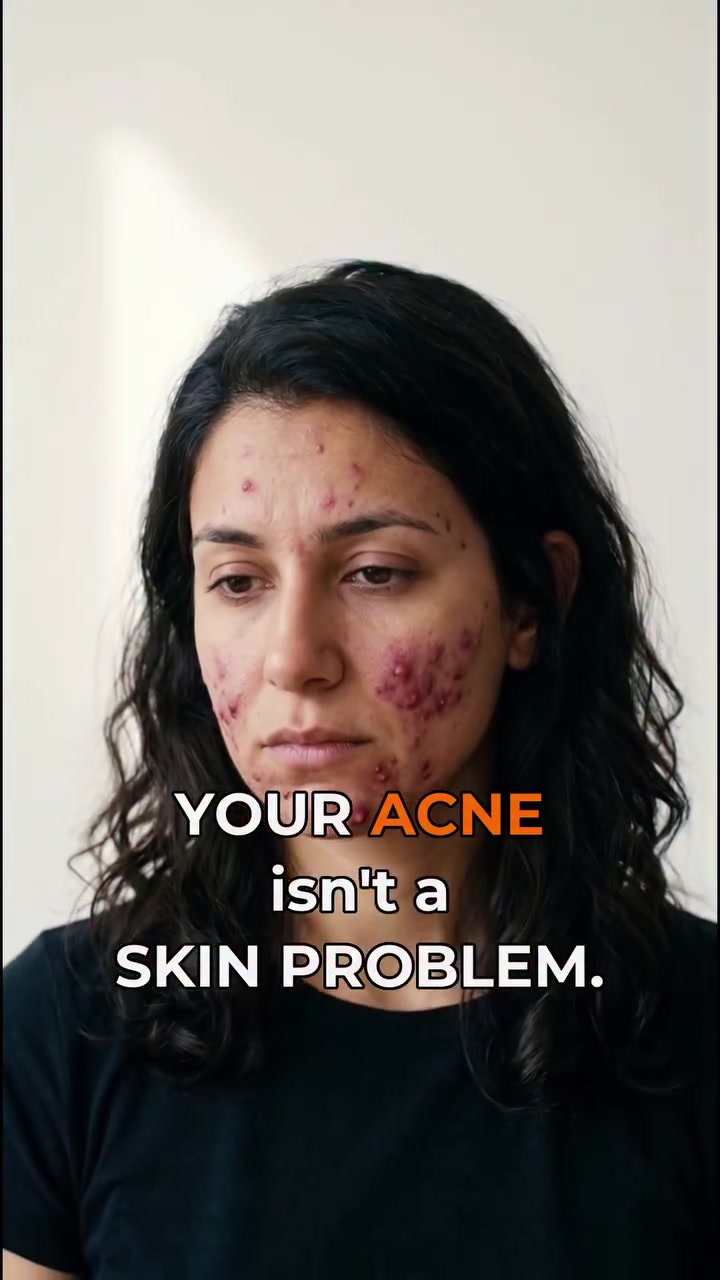
Acne is more than a stubborn skin ailment. It reveals a deeper, hidden problem — the gut. The gut-brain-skin axis is the conduit through which your microbiome communicates with your skin, meaning your diet and digestive health may be playing a role in the appearance of your skin. A major clue came from a 2008 study that found SIBO (Small Intestinal Bacterial Overgrowth) was nine times more common in rosacea patients, and 71% of those treated saw their skin lesions clear.
The Three-in-One Convo: Gut, Brain, and Skin
The gut-brain-skin axis connects skin health to gut and microbiome health. Bacteria in the gut can communicate with the skin through immune signals and inflammation pathways. This explains why skin problems like acne, rosacea, and eczema might originate from issues below the skin's surface. Microbiome is the key. A 2008 study found that patients with rosacea had SIBO nine times more often than others. Those with SIBO experienced a notably high clearance rate of skin lesions after treatment. How? The mission of Bowe and Logan in 2011, was to validate it: SIBO is a condition characterized by an overgrowth of bacteria in the small intestine. This imbalance can interrupt the messaging system in the Gut-Brain-Skin axis. When the gut microbiota becomes dysregulated, it can trigger inflammation that spreads to the skin.
The Skin-and-Gut trend
There’s a reason millions of Americans struggle with skin issues like acne, rosacea, or eczema. More than one third of US adults experience skin issues. Most of these problems likely stem from gut health. An increasing number of doctors now agree — a growing body of research supports the idea that many skin conditions are influenced by gut health. More medical professionals acknowledge the connection between gut and skin health, and that the immune system plays a role may improve treatment outcomes.
The Gut Skin Axis at Work
Your Microbiome and Skin Health
The term "microbiome" refers to the collective genome of the microorganisms (composed of bacteria, bacteriophage, fungi, protists, and viruses) that reside in an environmental niche. A healthy microbiome can orchestrate immune system function, protect skin cells, and even prevent skin disorders. Despite the microbiome's crucial role in skin health, it often gets overlooked. The patient and doctor might target dermatologic symptoms, but miss the link to gut health.
Inflammation: The Gut's Messaging System
When the gut leaks, inflammation spreads. Intestinal permeability enables bacteria and toxins to pass the intestinal walls and into the bloodstream. This triggers inflammation throughout the body and organs, including the skin. Inflammation can cause or worsen skin conditions: acne, rosacea, and eczema. For example, for eczema, increased permeability makes the skin more prone to irritation and itchiness. Excessive bacterial growth in the gut steers the immune system to overreact, resulting in inflammation, worsened skin conditions, and other health issues.
The Immune System and Skin Health
The gut, brain, and skin are connected. They communicate through various systems. The immune system plays a role as the central hub. When the gut microbes are unbalanced, the immune system becomes hyperactive. This causes inflammation, harming the skin.
Clearing Up Skin Issues
Gut Health and Eczema
The link between gut health and eczema is strong. Eczema, an inflammatory skin condition, is often worsened by intestinal permeability and leaky gut. With the skin barrier broken, it’s easier for allergens and irritants to trigger flare-ups.
Gut Health and Rosacea
Rosacea is a chronic skin condition. Although specific rosacea triggers are unknown, the signs include redness, pimples, and visible blood vessels. Another trigger appears to be dysbiosis, an abnormal state of the microbes in the gut. With the gut microbiota unbalanced, the body's defense mechanisms are more prone to rosacea.
Gut Health and Acne
Acne is another skin condition. Overactive sebaceous glands create excess sebum. Propionibacterium acnes, a bacterium, colonizes the skin and triggers inflammation. Treatments for acne target bacteria or reduce sebum production. However, without considering the microbial imbalance in the gut, treatments can be insufficient. Antibiotics used to treat acne disrupt the gut microbiota, leading to long-term skin problems.
Gut Health and Other Skin Conditions
Other skin conditions include psoriasis and skin aging. Although the exact causes of psoriasis and skin aging are complex and involve multiple factors, the gut microbiota plays a role.
Search for a Healthier You
Empty your medicine cabinet. It may be counterintuitive, but an natural way to address skin issues might be to visit a dermatologist and a gastroenterologist. Diagnose the problem first. Consider the possibility that skin issues may be a symptom of a gut issue. ### Doctor’s Checklist:
-
- Check Your Gut Symptoms: Before booking a dermatologist appointment, consider your digestive issues.
- Understand Gut Health: Intestinal permeability and dysbiosis can cause skin problems.
- Diet: Eating a healthy, balanced diet can prevent gut issues and improve your skin.
- Probiotics: They may restore gut balance and improve skin health. *** Avoid processed foods, high in sugar and unhealthy fats. These foods can trigger inflammation, damaging the gut's lining.***
Try a Food Diary
Many foods can trigger inflammation. To find what's going on with your digestive system as well as your skin conditions, try a food diary. This will help you identify the causes of skin problems. Common culprits of inflammation-related skin problems include non-steroidal anti-inflammatory drugs, carbohydrates, and gluten. Alcohol can cause bloating, disrupt gut health, and trigger acne breakouts. Smoking can contribute to overall skin aging and dullness. Suggestions for dietary changes to improve gut health and skin health:
-
- Stay Hydrated: Drinking water is essential to support skin health. Proper hydration keeps the skin barrier intact, moisturized and prevents dryness.
-
- *Limit Sugar: Excessive sugar consumption can aggravate skin conditions and lead to breakouts.
-
- Eat Probiotics: Foods rich in probiotics (yogurt, kimchi, sauerkraut) can help maintain a healthy gut and improve immunity.
-
- Vitamin C: It's essential for collagen production, skin regeneration, and skin health. It can be found in citrus fruits, leafy greens, berries, and bell peppers.
-
- Omega-3 Fatty Acids: Found in salmon, flax seeds, and walnuts, Omega-3s help maintain healthy skin and prevent inflammation.
Questions readers ask
What exactly is the gut-brain-skin axis?
The gut-brain-skin axis is a concept that describes how the gut, brain, and skin are interconnected. The microbiome in the gut can send signals to the skin through immune responses and inflammation and influence skin health. This axis helps explain why skin conditions like acne and rosacea might be linked to gut health.
How does SIBO affect skin health?
SIBO, or Small Intestinal Bacterial Overgrowth, is a condition where there's an excess of bacteria in the small intestine. This imbalance can disrupt the gut-brain-skin axis, leading to inflammation that affects the skin. Studies have shown that treating SIBO can improve skin conditions like rosacea, indicating a strong connection between gut health and skin health.
Can improving gut health really help with skin conditions?
Yes, improving gut health can potentially help with skin conditions. By addressing issues like SIBO and maintaining a healthy microbiome, you can reduce inflammation and improve overall skin health. Many skin conditions, such as acne, rosacea, and eczema, have been linked to gut health, so taking care of your gut can be beneficial for your skin.
What role does the immune system play in the gut-brain-skin axis?
The immune system acts as a central hub in the gut-brain-skin axis. It helps regulate the communication between the gut and the skin. When the gut microbiome is dysregulated, it can trigger an immune response that leads to inflammation, which in turn affects the skin. This is why skin conditions can often be improved by addressing gut health.
How common is it for skin issues to be related to gut health?
It's quite common. More than one-third of US adults experience skin issues like acne, rosacea, or eczema, and many of these problems are likely influenced by gut health. An increasing number of doctors now recognize this connection, which can improve treatment outcomes.
What are some signs that my skin issues might be related to my gut?
If you're experiencing persistent skin issues like acne, rosacea, or eczema, it might be worth considering your gut health. These conditions can be linked to gut problems like SIBO or an imbalanced microbiome. If you notice that your skin flares up around the same time as digestive issues, it could be a sign that your skin and gut are connected.
What steps can I take to improve my gut health for better skin?
To improve your gut health, focus on maintaining a balanced diet rich in fiber, probiotics, and prebiotics. This can help support a healthy microbiome. Additionally, managing stress, staying hydrated, and considering supplements like probiotics, and reducing processed foods and sugars, can also contribute to better gut health, which may in turn improve your skin.
Related deep dives
Similar reads based on topic and creator.




Recent articles
Fresh deep dives from the latest Reels we unpacked.




Comments
Be the first to comment.