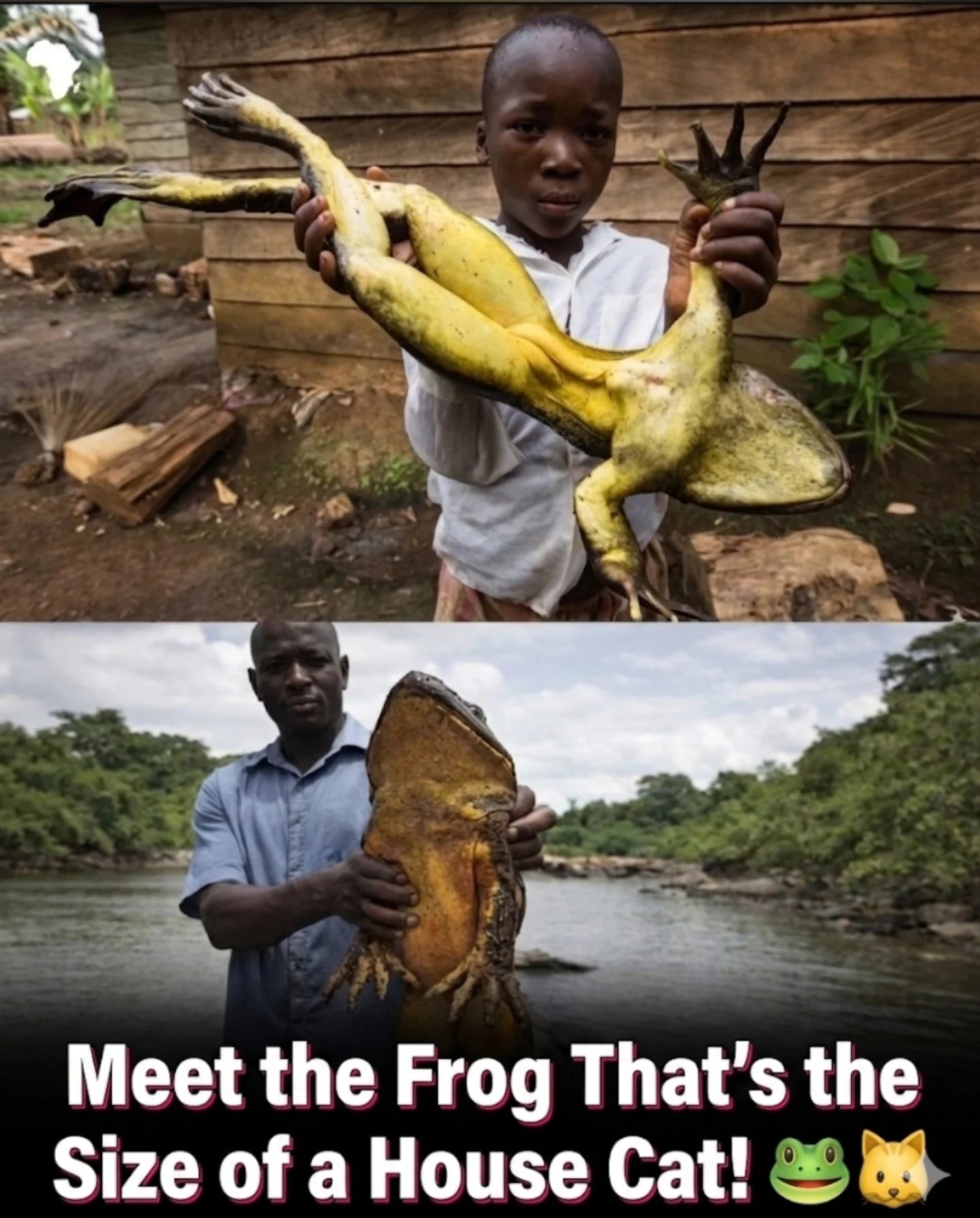
The Goliath Frog: Earth's Largest Living Frog Species
The Goliath frog, scientifically known as Conraua goliath, holds the distinction of being the largest living frog species on Earth. These remarkable amphibians are native to a narrow, equatorial range of dense rainforests and fast-flowing river systems within Cameroon and Equatorial Guinea. Their impressive size and unique characteristics make them a subject of both fascination and concern for conservationists.
Why This Matters
The Goliath frog's size is nothing short of astonishing. They can reach lengths of up to 12.5 inches (32 centimeters) from snout to vent, and with their powerful hind legs fully extended, they can measure over 30 inches (75 centimeters) in length. Their weight can reach up to 7.2 pounds (3.3 kilograms), making them comparable in size to a standard house cat. This extraordinary size, coupled with their formidable appearance, makes them a subject of great interest to both scientists and nature enthusiasts.
The Unusual Size of Goliath Frogs
One of the most striking features of the Goliath frog is its sheer size. These frogs are significantly larger than any other frog species, making them a marvel of the animal kingdom. Their size is not just a curiosity; it plays a crucial role in their survival and ecology. The large size of the Goliath frog allows it to prey on a diverse range of animals, from insects and crabs to fish, small mammals, and even birds. This diverse diet helps them thrive in their natural habitats, which are typically dense rainforests and fast-flowing river systems.
Habitat and Distribution
The Goliath frog is found in a very specific and limited geographical range. They are native to the equatorial regions of Cameroon and Equatorial Guinea. This narrow range is characterized by lush, dense rainforests and fast-flowing rivers, providing the ideal habitat for these amphibians. The rainforests offer ample cover and food sources, while the rivers serve as both a source of water and a means of navigation.
Physical Characteristics
Goliath frogs are equipped with extensive interdigital webbing, which aids them in navigating the swift currents of the rivers in their natural habitats. Their powerful hind legs allow them to leap considerable distances and propel themselves through the water with ease. Despite their formidable size, Goliath frogs lack a vocal sac, making them entirely mute. They communicate through subtle whistling sounds, adding to their unique nature.
Diet and Hunting
Goliath frogs are nocturnal predators, meaning they are most active during the night. This behavior helps them avoid predators and allows them to hunt more effectively. Their diet is incredibly diverse, ranging from smaller insects and crabs to larger prey such as fish, small mammals, and even birds. This varied diet helps them maintain their large size and energy levels. Adult Goliath frogs are particularly adept at hunting and can consume a significant amount of food in a single night, thanks to their powerful jaws and strong limbs.
Conservation Status and Threats
Despite their impressive size and adaptability, Goliath frogs are currently classified as endangered by the IUCN (International Union for Conservation of Nature). This classification is due to severe population declines driven by several factors, including commercial logging, habitat degradation, targeted poaching for the bushmeat trade, and exploitation for the exotic pet market. These activities have significantly reduced the frog's natural habitat and disrupted their populations, making them vulnerable to extinction. Conservation efforts are crucial to protect these extraordinary amphibians and ensure their survival for future generations.
Practical Tips for Observing Goliath Frogs
For those interested in observing Goliath frogs in their natural habitats, it is essential to follow some practical tips to ensure a safe and respectful encounter. First, always obtain the necessary permits and follow local regulations regarding wildlife observation and conservation. Second, be mindful of your impact on the environment. Avoid disturbing the frogs' habitats and minimizing your footprint. Third, be aware of the potential risks. Goliath frogs, while generally docile, can be defensive if threatened and may have powerful bites.
Important Takeaways
The Goliath frog is a true marvel of the natural world, with its impressive size, unique characteristics, and intriguing behaviors. Their existence highlights the importance of preserving biodiversity and protecting endangered species. These frogs serve as a reminder of the delicate balance of ecosystems and the need for conservation efforts to ensure the survival of such remarkable creatures. By understanding and appreciating the Goliath frog, we can foster a greater respect for nature and the intricate web of life that sustains us all.
Conclusion
The Goliath frog's massive size and unique adaptations make it a fascinating subject for study and conservation. These remarkable amphibians play a crucial role in their ecosystems and serve as a reminder of the importance of preserving biodiversity. By understanding their habits, habitats, and the threats they face, we can take steps to protect these extraordinary creatures and ensure their survival for future generations. Whether observed in their natural habitats or studied in scientific research, the Goliath frog continues to captivate and inspire, reminding us of the wonders of the natural world.
Questions readers ask
What is the scientific name of the Goliath frog?
The scientific name of the Goliath frog is *Conraua goliath*. This name is used by scientists and researchers to precisely identify this remarkable amphibian species.
How big can Goliath frogs grow?
Goliath frogs can grow quite large, reaching up to 12.5 inches (32 centimeters) from snout to vent. When their powerful hind legs are fully extended, they can measure over 30 inches (75 centimeters) in length, making them roughly the size of a house cat. They can weigh up to 7.2 pounds (3.3 kilograms).
Where are Goliath frogs found?
Goliath frogs are native to a specific region in Central Africa, primarily found in the dense rainforests and fast-flowing river systems of Cameroon and Equatorial Guinea. Their habitat is crucial for their survival and understanding their ecosystem.
What do Goliath frogs eat?
Goliath frogs have a diverse diet. They are known to feed on a variety of insects, small mammals, and even other amphibians. Their diet helps maintain ecological balance in their habitat.
What role do Goliath frogs play in their ecosystem?
Goliath frogs play a unique role in their ecosystem due to their size and dietary habits. They help control populations of smaller animals and contribute to nutrient cycling, making them an important part of their habitat.
Are Goliath frogs endangered?
Goliath frogs face several threats, including habitat loss and overhunting, which makes their conservation a priority. While their conservation status may change, ongoing efforts are crucial to protect these remarkable amphibians and their unique habitat.
How do Goliath frogs reproduce?
Goliath frogs reproduce through a process involving the males calling for females, which then lays their eggs in flowing river water. The tadpoles are then carried by the river and will eventually develop into adult frogs.
Related deep dives
Similar reads based on topic and creator.




Recent articles
Fresh deep dives from the latest Reels we unpacked.




Comments
Be the first to comment.