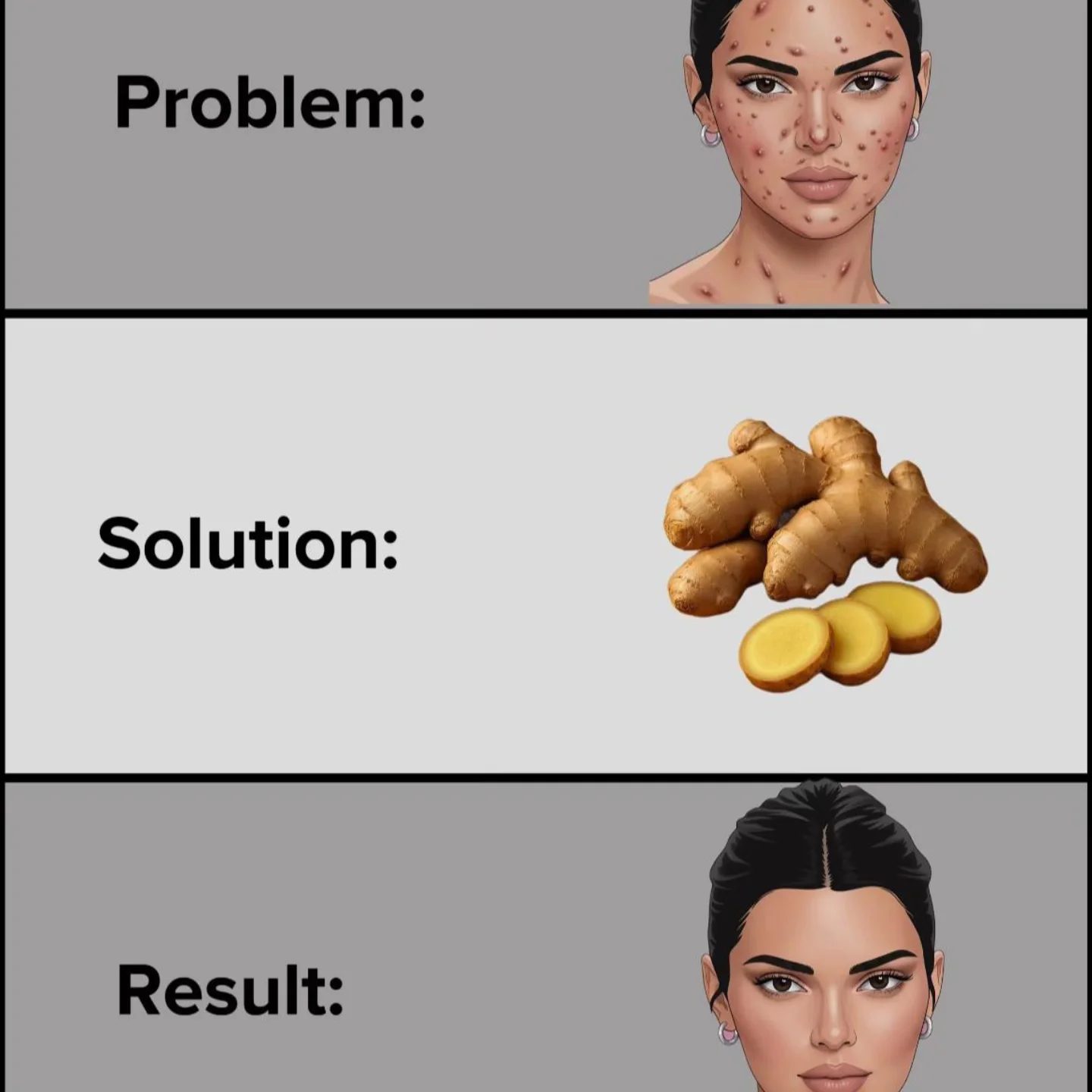
Ginger for Acne Treatment: A Natural Remedy
Acne is a common skin condition that affects millions of people worldwide. It can be frustrating and impact self-esteem. While there are many treatments available, some people turn to natural remedies for relief. One such remedy is ginger root. Ginger is a versatile root known for its numerous health benefits. But can it help with acne?
Why This Matters
Taking care of your skin is crucial for overall health and well-being. Acne can cause physical discomfort and emotional stress. Finding an effective treatment that works for you can significantly improve your quality of life. Natural remedies like ginger root offer a gentle, often less harsh alternative to conventional acne treatments.
Ginger Root and Acne: The Connection
Anti-inflammatory Properties
Ginger is renowned for its anti-inflammatory properties. Acne is often caused by inflammation in the skin. Ginger can help reduce this inflammation, potentially alleviating the redness and swelling associated with acne breakouts. The active compounds in ginger, such as gingerols and shogaols, contribute to its anti-inflammatory effects.
Antioxidant Effects
Ginger is rich in antioxidants, which can help protect the skin from damage caused by free radicals. Antioxidants play a crucial role in maintaining skin health and preventing premature aging. By applying ginger topically, you can provide your skin with a boost of antioxidants, promoting healing and reducing the appearance of acne scars.
Antibacterial Action
The antibacterial properties of ginger can also help combat acne. Acne is often caused by the bacteria Cutibacterium acnes. Ginger's antibacterial compounds can help inhibit the growth of these bacteria, reducing the likelihood of breakouts. This makes ginger a valuable addition to any acne treatment regimen.
How to Use Ginger for Acne Treatment
Ginger Root Mask
One of the most effective ways to use ginger for acne treatment is by creating a homemade ginger root mask. Here’s a simple recipe to try:
-
Ingredients:
- 1 inch of fresh ginger root
- 1 tablespoon of honey
- 1 tablespoon of plain yogurt
-
Instructions:
- Grate the ginger root to extract the juice.
- Mix the ginger juice with honey and yogurt to form a paste.
- Apply the paste to your face, focusing on areas with acne.
- Leave it on for 10-15 minutes, then rinse off with warm water.
-
Frequency:
- Use this mask once or twice a week for best results.
Ginger Tea
Ginger tea can also be beneficial for acne-prone skin. While it won't directly treat acne on the skin, drinking ginger tea can help improve overall skin health from the inside out.
-
Ingredients:
- 1 inch of fresh ginger root
- 1 cup of water
- Honey to taste
-
Instructions:
- Peel and slice the ginger root.
- Boil the water and add the ginger slices.
- Let it simmer for 10 minutes, then strain the tea.
- Add honey to taste and enjoy.
-
Frequency:
- Drink ginger tea daily for general health benefits.
Practical Tips for Using Ginger for Acne
-
Patch Test: Before applying ginger to your face, perform a patch test to ensure you don't have an allergic reaction. Apply a small amount of ginger juice to a small area of your skin and wait 24 hours to check for any adverse reactions.
-
Consistency: Like any skin treatment, consistency is key. Stick with your ginger routine for a few weeks before evaluating its effectiveness.
-
Combination: Consider combining ginger with other natural remedies or skincare products for enhanced results. For example, you can use ginger in conjunction with apple cider vinegar or tea tree oil.
Important Takeaways
- Ginger root offers a natural, gentle approach to treating acne, thanks to its anti-inflammatory, antioxidant, and antibacterial properties.
- Consistency and patience are essential when using natural remedies. It may take a few weeks to see noticeable improvements.
- Always perform a patch test before applying new ingredients to your skin to avoid allergic reactions.
- Combining ginger with other natural remedies can enhance its effectiveness.
Conclusion
Ginger root is a fantastic natural remedy for acne due to its powerful anti-inflammatory, antioxidant, and antibacterial properties. Whether you use it in a face mask or drink it as tea, incorporating ginger into your skincare routine can help combat acne and improve overall skin health.
Questions readers ask
How does ginger root help in treating acne?
Ginger root contains anti-inflammatory, antioxidant, and antibacterial properties. These properties help reduce inflammation, protect the skin from damage, and inhibit acne-causing bacteria, making it an effective natural remedy for acne.
Can I use ginger root as a topical treatment for acne?
Yes, ginger can be applied topically to help treat acne. You can create a ginger face mask by mixing grated ginger with honey or yogurt and applying it to the affected area. Leave it on for 10-15 minutes before rinsing off with warm water.
What are the benefits of using ginger for acne treatment?
Using ginger for acne treatment offers several benefits. It provides a gentler alternative to harsh chemical treatments, reduces inflammation and redness, and helps prevent future breakouts by inhibiting bacteria growth.
How often should I apply ginger to my skin for acne treatment?
For best results, apply ginger topically 2-3 times a week. Consistency is key, so ensure you stick to a regular skincare routine that includes ginger applications. If you experience any irritation, reduce the frequency or dilute the ginger further.
Is ginger root suitable for all skin types when used for acne treatment?
Ginger root is generally suitable for most skin types, but it's always a good idea to do a patch test first. Apply a small amount of diluted ginger to a discreet area of your skin and wait 24 hours to check for any adverse reactions. If you have sensitive skin, consider mixing ginger with soothing ingredients like honey or aloe vera.
Can I use ginger root for acne if I have sensitive skin?
If you have sensitive skin, it's best to start with a small amount of ginger mixed with a soothing ingredient, such as honey or aloe vera. Apply a small amount to a discreet area first to check for any adverse reactions. If your skin tolerates it well, you can gradually increase the frequency of application.
What should I do if I experience irritation from using ginger for acne treatment?
If you experience irritation, discontinue use immediately and rinse the area with cool water. You can try diluting the ginger further or mixing it with soothing ingredients like honey or aloe vera. If the irritation persists, consult a healthcare professional.
Related deep dives
Similar reads based on topic and creator.
Recent articles
Fresh deep dives from the latest Reels we unpacked.



Comments
Be the first to comment.