Giant Panda Solar Farm: China's Innovative Renewable Energy Project
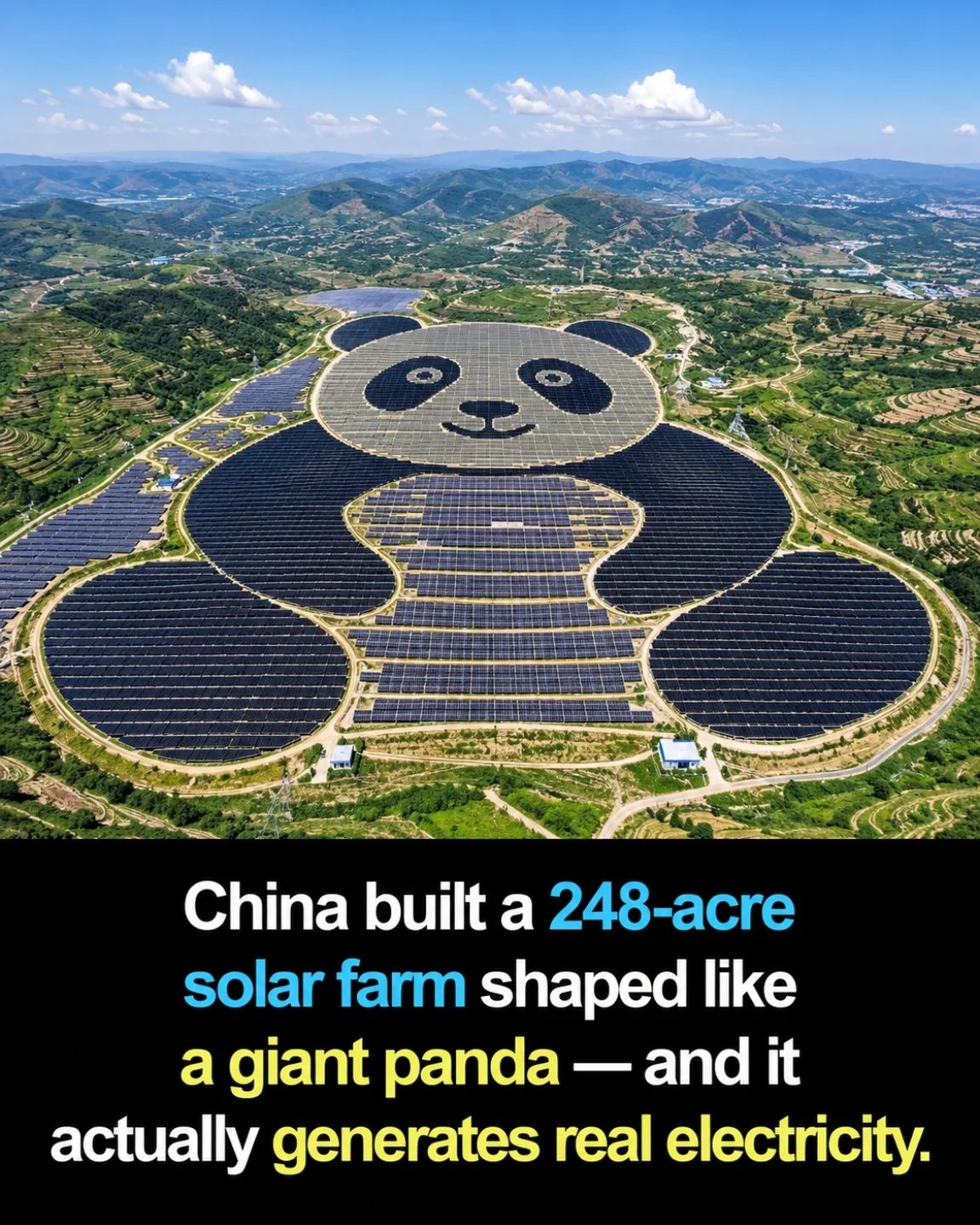
The Giant Panda Solar Farm in China is a remarkable feat of engineering and environmental design. This 248-acre solar farm is not only a significant source of renewable energy but also a striking visual representation of China's commitment to sustainability. The farm's unique panda shape makes it a standout example of how renewable energy projects can blend with artistic and cultural elements.
Context: Why This Matters
China's dedication to renewable energy is no secret. The country aims to peak its carbon emissions by 2030 and achieve carbon neutrality by 2060. Projects like the Giant Panda Solar Farm are crucial steps towards these goals. By leveraging solar energy, China not only reduces its reliance on fossil fuels but also sets a global example of sustainable development.
The Design and Functionality
The Giant Panda Solar Farm is a marvel of environmental technology. Spanning 248 acres, this solar farm is designed in the shape of a giant panda, a symbol of peace and conservation in Chinese culture. The farm's design is more than just an aesthetic choice; it serves as a powerful message about the harmonious coexistence of nature and technology.
The farm is equipped with thousands of solar panels that harness the sun's energy and convert it into electricity. This electricity is then fed into the power grid, contributing to the local and national energy supply. The farm's unique design and functionality highlight how renewable energy projects can be both innovative and practical.
The Impact on Local Communities
The Giant Panda Solar Farm has had a significant impact on local communities. By providing a reliable source of renewable energy, the farm helps to reduce air pollution and lower greenhouse gas emissions. This not only benefits the environment but also improves the health and well-being of local residents.
Additionally, the farm has created job opportunities for local workers, contributing to economic development. The combination of environmental benefits and economic growth makes the Giant Panda Solar Farm a model for sustainable development.
Symbolism and Cultural Significance
The choice of a panda shape for the solar farm is deeply rooted in Chinese culture. Pandas are not only a national treasure but also a symbol of conservation. By incorporating this iconic animal into the design, the farm serves as a reminder of the importance of preserving the natural world while embracing technological advancements.
The farm's design also raises awareness about the need for sustainable energy solutions. By blending art and technology, the Giant Panda Solar Farm encourages people to think about the role of renewable energy in a modern, eco-friendly world.
Practical Tips for Sustainable Living
While the Giant Panda Solar Farm is a large-scale project, there are practical steps individuals can take to support sustainable living: becoming more energy-efficient, using renewable energy sources, and reducing overall energy consumption. Even small changes, such as switching to energy-efficient appliances or installing solar panels on homes, can make a significant difference over time.
Important Takeaways
The Giant Panda Solar Farm in China is a testament to the power of innovative design and sustainable energy practices. Its unique shape and functionality not only generate real electricity but also serve as a symbol of environmental conservation and cultural heritage. By blending art and technology, the farm sets a global standard for how renewable energy projects can be both beautiful and effective.
Additionally, the farm highlights the importance of community involvement and economic development in sustainable projects. By providing jobs and improving the environment, the Giant Panda Solar Farm demonstrates how renewable energy can benefit both people and the planet.
Conclusion
As the world continues to grapple with climate change and environmental degradation, projects like the Giant Panda Solar Farm offer a beacon of hope. By harnessing the power of the sun and incorporating cultural symbols, China has created a solar farm that is not only functional but also inspiring. It serves as a reminder that sustainability and innovation can go hand in hand, paving the way for a greener future.
Questions readers ask
How large is the Giant Panda Solar Farm in China?
The Giant Panda Solar Farm spans 248 acres, making it one of the largest solar farms in the country. Its size allows it to generate a significant amount of clean energy while also serving as a prominent cultural landmark.
What is the significance of the panda shape in the solar farm's design?
The panda shape is a nod to China's cultural heritage and a symbol of the country's commitment to sustainability. This design choice makes the solar farm an iconic landmark and helps to raise awareness about renewable energy initiatives.
How does the Giant Panda Solar Farm contribute to China's renewable energy goals?
The solar farm contributes to China's goals of peaking carbon emissions by 2030 and achieving carbon neutrality by 2060. By generating clean energy, it reduces the country's reliance on fossil fuels and supports the transition to a more sustainable energy landscape.
Can visitors see the Giant Panda Solar Farm from above?
Yes, the solar farm is visible from above and offers a striking aerial view. The panda shape is particularly distinct when viewed from high altitudes, making it a unique sight for aerial photography and drone footage.
Are there other solar farms in China with unique designs?
While the Giant Panda Solar Farm is one of the most notable, China has other innovative solar projects. For example, there are solar farms designed as airplanes and eyes, showcasing the country's creativity in integrating renewable energy with artistic and cultural elements.
How does the Giant Panda Solar Farm generate electricity?
The solar farm generates electricity through photovoltaic panels that convert sunlight into electrical energy. The 248-acre site is covered with these panels, which harness solar energy to produce clean power for the grid.
What are some key features of the solar farm's design?
The key features include its massive size, unique panda shape, and the integration of photovoltaic panels. The design not only optimizes solar energy production but also creates a visually appealing and culturally significant landmark that attracts attention to China's renewable energy efforts.
Related deep dives
Similar reads based on topic and creator.



Recent articles
Fresh deep dives from the latest Reels we unpacked.




Comments
Be the first to comment.