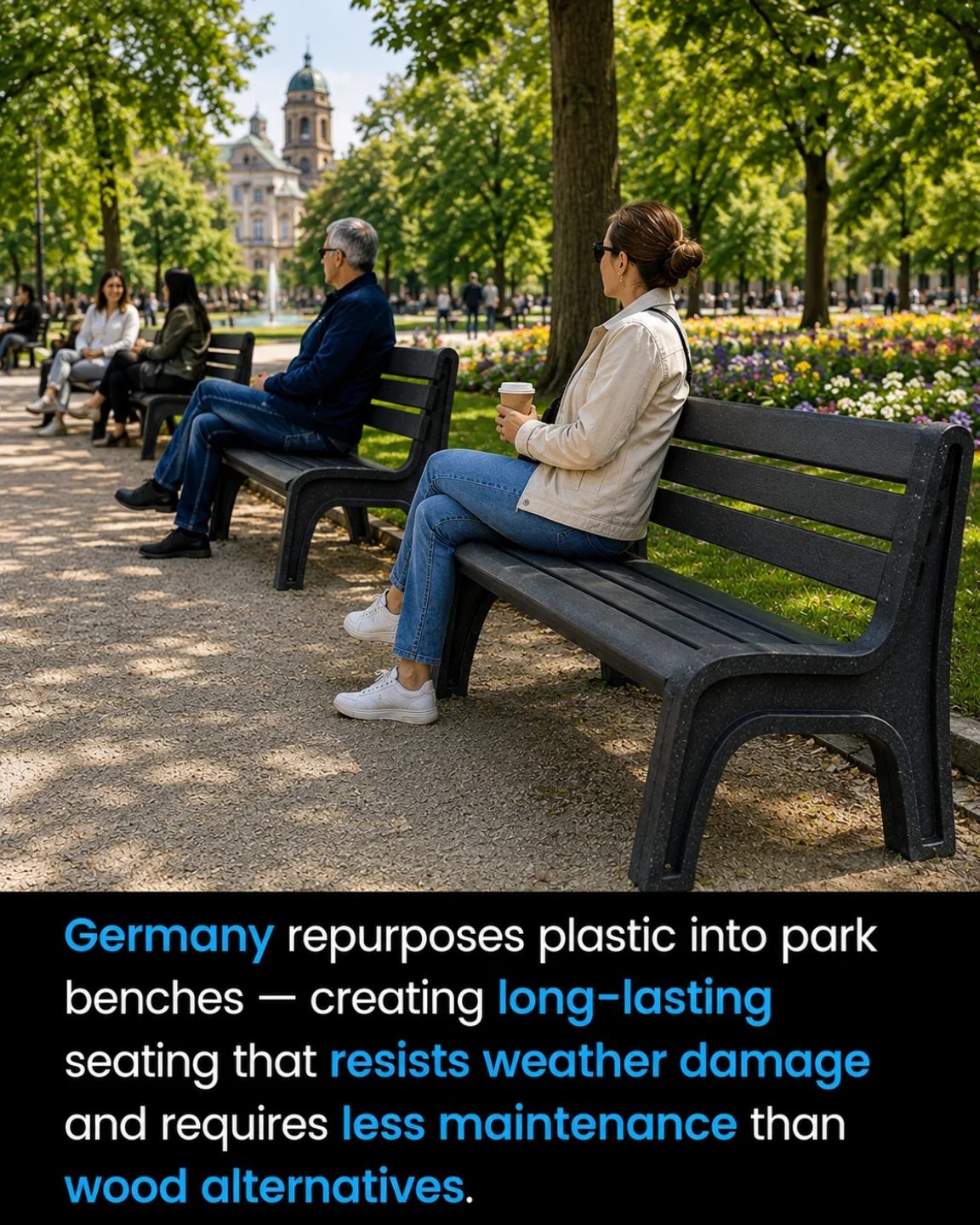
Recycled Park Benches: A Sustainable Solution for Urban Spaces
Park benches are an essential part of any urban landscape, providing a place for people to rest, socialize, and enjoy their surroundings. In Germany, a unique initiative has taken hold, transforming the humble park bench into a symbol of sustainability and innovation. By repurposing plastic waste into park benches, Germany is setting a new standard for urban furniture that is not only durable but also environmentally friendly.
Why This Matters
The use of repurposed plastic in park benches addresses several critical issues. Firstly, it helps tackle the growing problem of plastic waste. Secondly, it provides a durable and low-maintenance alternative to traditional wood benches. Lastly, it showcases how sustainable practices can be integrated into everyday urban infrastructure, inspiring similar initiatives elsewhere.
The Benefits of Repurposed Plastic Benches
Durability and Weather Resistance
One of the standout features of these recycled benches is their durability. Plastic, when repurposed correctly, can withstand harsh weather conditions far better than wood. This means that the benches will last longer, reducing the need for frequent replacements and repairs. They are resistant to rot, warping, and the natural degradation that wood benches often undergo.
Low Maintenance
Another significant advantage is the low maintenance required. Traditional wood benches need regular upkeep, including sealing, staining, and repairs due to weathering and insect damage. In contrast, repurposed plastic benches require minimal maintenance. This translates to cost savings for municipalities and parks departments, freeing up resources for other essential services.
Environmental Impact
The environmental benefits are perhaps the most compelling reason to embrace this solution. By repurposing plastic waste, Germany is giving a new life to materials that would otherwise end up in landfills or oceans. This not only reduces the environmental footprint but also sets a precedent for sustainable practices in urban design.
Design and Aesthetics
Despite being made from recycled materials, these benches do not compromise on design and aesthetics. The benches in German parks are modern, sleek, and blend seamlessly with the environment. This proves that sustainability does not have to mean sacrificing style or functionality.
Practical Tips for Implementing Recycled Plastic Benches
Choosing the Right Material
When considering recycled plastic benches, it is essential to choose the right type of plastic. High-density polyethylene (HDPE) and polypropylene (PP) are commonly used due to their durability and resistance to weathering. Ensure that the material is sourced from reliable suppliers who adhere to environmental standards.
Design Considerations
Design plays a crucial role in the functionality and appeal of the benches. Look for designs that are ergonomic and comfortable, ensuring that users will want to sit on them. Additionally, consider the bench's placement within the park setting to maximize its usability and aesthetic appeal.
Installation and Maintenance
Proper installation is key to the longevity of the benches. Ensure that the benches are securely anchored to the ground to prevent theft and vandalism. Regular inspections can help catch minor issues before they become significant problems, further extending the lifespan of the benches.
Important Takeaways
By repurposing plastic into park benches, Germany is leading the way in sustainable urban design. These benches offer a range of benefits, from durability and low maintenance to environmental sustainability. They also serve as a reminder that innovative solutions can address multiple challenges simultaneously. As more cities adopt similar practices, we can look forward to cleaner, greener, and more functional urban spaces.
Conclusion
The initiative to repurpose plastic into park benches is a testament to Germany's commitment to sustainability and innovation. These benches not only enhance the aesthetic appeal of parks but also contribute positively to the environment. By choosing durable, low-maintenance, and eco-friendly alternatives, cities can create more sustainable and enjoyable public spaces for all. The move towards repurposed plastic benches is a step in the right direction, inspiring similar initiatives globally and setting a new standard for urban infrastructure.
Questions readers ask
How does Germany's initiative of transforming plastic waste into park benches benefit the environment?
By repurposing plastic waste, Germany reduces the amount of plastic that ends up in landfills or oceans. This initiative also decreases the demand for new plastic production, lowering the carbon footprint associated with manufacturing.
What are the advantages of using recycled plastic for park benches over traditional materials like wood?
Recycled plastic benches are durable and resistant to weathering, rot, and insect damage, making them a low-maintenance option. Unlike wood, they do not require regular treatments like staining or sealing, and they last much longer.
How does the use of repurposed plastic benches contribute to sustainable urban development in Germany?
These benches serve as a model for eco-friendly urban infrastructure, demonstrating how cities can integrate sustainability into everyday public spaces. By showing that recycled materials can be both practical and aesthetically pleasing, they encourage further adoption of green initiatives.
What types of plastic waste are typically used to create these sustainable benches?
The plastic waste used for these benches often includes common items like plastic bottles, bags, and packaging materials. These are collected, cleaned, and processed into pellets, which are then molded into durable, long-lasting benches.
Are these benches available for purchase or implementation in other countries?
While the specific benches used in Germany may not be widely available internationally, the technology and processes used to create them can be replicated. Many companies worldwide offer similar products, and local governments can explore partnerships to implement their own recycled plastic bench programs.
How does the design of these benches ensure they are both functional and environmentally friendly?
The design of these benches focuses on simplicity and durability, ensuring they can withstand various weather conditions and public use. The use of recycled plastic not only reduces waste but also eliminates the need for harmful chemicals typically used in treating wood, making them a greener choice for urban spaces.
What role do these benches play in promoting public awareness about waste management and sustainability?
By being a highly visible and practical example of waste repurposing, these benches serve as a constant reminder of the importance of sustainability. They encourage people to think about the lifecycle of plastic products and the benefits of recycling and reusing materials, fostering a culture of environmental responsibility.
Related deep dives
Similar reads based on topic and creator.




Recent articles
Fresh deep dives from the latest Reels we unpacked.




Comments
Be the first to comment.