Architectural Design
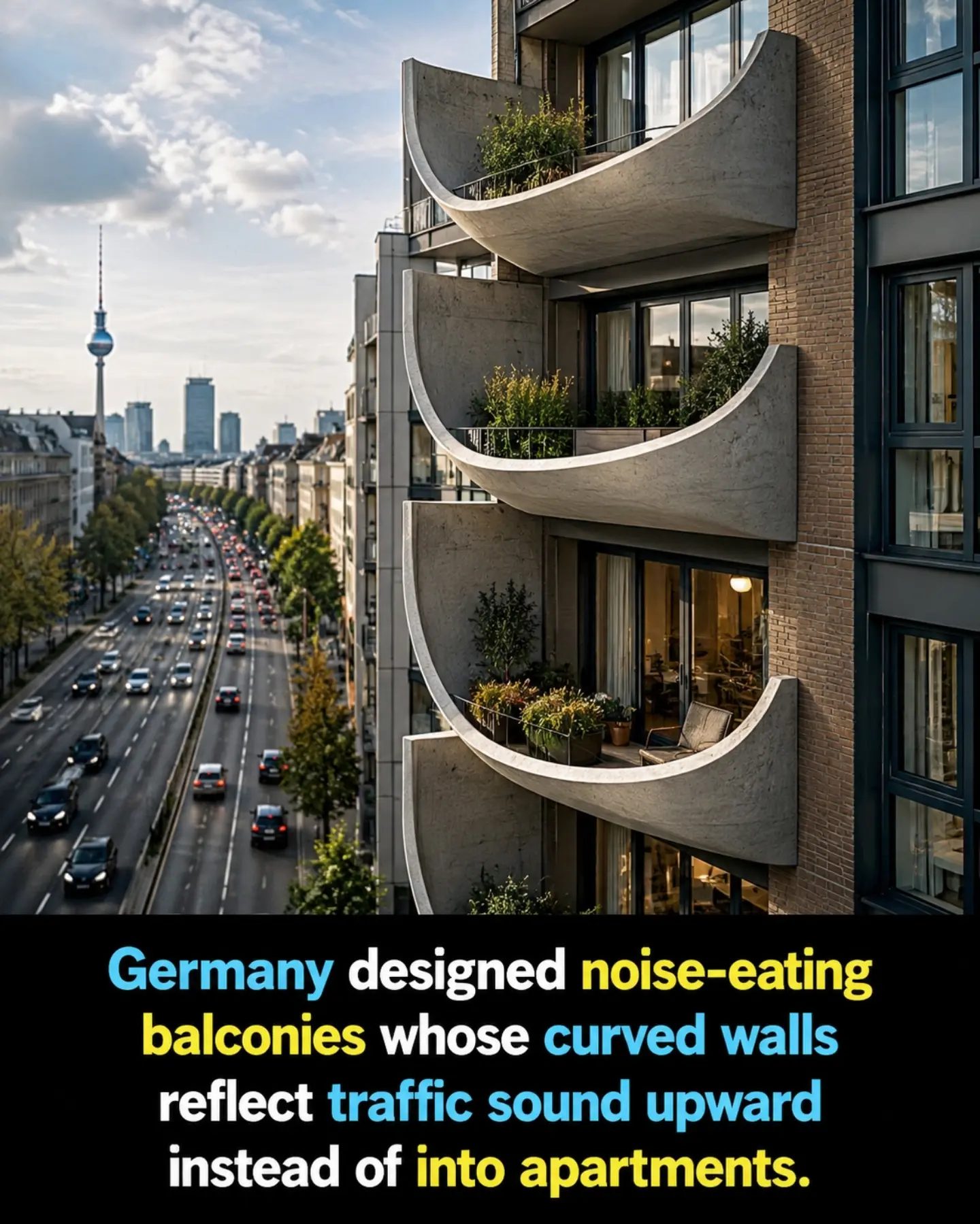
Modern apartment architecture in urban environments often faces the challenge of mitigating noise pollution. In many bustling cities, traffic noise is a persistent issue that can significantly affect the comfort and quality of life for residents. One innovative solution to this problem is the design of noise-eating balconies, which are uniquely curved to reflect traffic sound upwards, rather than into the apartments.
Context / Why This Matters
In today's urban landscapes, noise pollution is a persistent issue that affects millions of people. The constant hum of traffic, especially from busy streets, can be disruptive and unpleasant. This is particularly true for apartment buildings located near major roads. Traditional balconies often exacerbate the problem by funneling noise directly into living spaces. However, innovative architectural designs are addressing this issue by incorporating features that actively reduce noise intrusion.
Main Discussion
Curved Balconies and Acoustic Comfort
One of the key features of these modern apartment buildings is the curved design of the balconies. The unique curvature of the walls is not just an aesthetic choice; it serves a crucial acoustic function. By reflecting traffic noise upwards, the curved walls prevent the sound from entering the apartments, thereby creating a quieter, more comfortable living environment.
Innovations in Urban Apartment Design
The design of these balconies reflects a broader trend in urban architecture: the integration of acoustic comfort into modern living spaces. This approach is particularly relevant in Germany, where urban planners and architects are increasingly focused on creating buildings that offer both aesthetic appeal and functional benefits.
The Importance of Acoustic Comfort
In urban environments, acoustic comfort is not just a luxury; it is a necessity. High levels of noise pollution can lead to a range of health issues, including stress, poor sleep quality, and even hearing impairment. By designing buildings that actively mitigate noise, architects are contributing to the overall well-being of residents.
Environmental Integration
The incorporation of trees and greenery in the cityscape is another important aspect of modern apartment design. Not only do these features enhance the visual appeal of the buildings, but they also play a role in noise reduction. Trees and other vegetation can absorb and dissipate sound, creating a more peaceful environment for residents.
Practical Tips
For those interested in implementing similar designs in their own urban spaces, here are a few practical tips:
Choose the Right Materials
When designing balconies, opt for materials that have good sound-absorbing properties. This can include materials like wood, metal, and even certain types of concrete. By using materials that naturally absorb sound, you can further reduce noise levels.
Consider Shading and Privacy
Curved balconies not only help with noise reduction but also provide additional benefits like shading and privacy. These features can make living spaces more comfortable and enjoyable, especially in urban environments where space is often at a premium.
Important Takeaways
Designing modern apartment buildings with acoustic comfort in mind is a growing trend in urban architecture. Innovations like curved balconies that reflect traffic noise upwards are a testament to the creative solutions architects are developing to address the challenges of urban living.
Acoustic comfort is essential for the well-being of residents, and integrating features that actively reduce noise pollution can significantly improve the quality of life in urban environments. As cities continue to grow and evolve, the focus on acoustic comfort in architectural design will likely become even more important.
Conclusion
Innovative architectural designs, such as curved balconies in Germany, offer a practical solution to the problem of noise pollution in urban environments. By reflecting traffic noise upwards, these designs create quieter, more comfortable living spaces for residents. As urban populations continue to grow, the importance of acoustic comfort in modern architecture will only increase.
Questions readers ask
How do noise-reducing balconies in Germany work to minimize traffic noise?
Noise-reducing balconies in Germany use a unique curved design that reflects traffic noise upwards and away from the apartment buildings. This innovative design helps to minimize noise intrusion into living spaces, making them an effective solution for apartments near busy streets.
What are the benefits of curved balcony designs in urban environments?
Curved balcony designs offer several benefits in urban environments. They help to reduce noise pollution by deflecting traffic sounds away from apartments. This can lead to a more peaceful living environment, improved sleep quality, and a better overall quality of life for residents.
Are there similar noise reduction solutions for balconies in other countries?
While Germany's noise-reducing balconies are notable for their unique design, other countries also explore noise reduction solutions. For example, Australia has implemented various balcony noise solutions, including acoustic barriers and sound-absorbing materials, to mitigate noise pollution in urban areas.
Can existing balconies be retrofitted with noise-reducing features?
Retrofitting existing balconies with noise-reducing features can be challenging due to structural and design constraints. However, some solutions like acoustic panels or sound-absorbing materials can be added to existing balcony structures to help reduce noise intrusion. It's best to consult with a professional to explore the most effective options for your specific situation.
How do noise-reducing balconies impact the overall design of modern apartment buildings?
Noise-reducing balconies can enhance the overall design of modern apartment buildings by combining functionality with aesthetics. The curved shapes not only serve a practical purpose in reducing noise but also add a distinctive architectural element, making the buildings more visually appealing and innovative.
What role does urban design play in addressing noise pollution?
Urban design plays a crucial role in addressing noise pollution by incorporating solutions like noise-reducing balconies. Thoughtful design can mitigate the negative impacts of urban living, such as traffic noise, by using strategic layouts, acoustic barriers, and innovative architectural features that promote quieter and more comfortable living environments.
How effective are noise-reducing balconies compared to traditional noise barriers?
Noise-reducing balconies can be very effective in reducing traffic noise, especially when compared to traditional noise barriers. Unlike static barriers, these balconies use their unique shape to reflect and disperse noise, rather than simply blocking it. This dynamic approach can result in a more significant reduction in noise levels within the apartment, particularly when combined with other soundproofing methods.
Related deep dives
Similar reads based on topic and creator.




Recent articles
Fresh deep dives from the latest Reels we unpacked.




Comments
Be the first to comment.