Storm Drain Filtration: A Green Solution for Urban Water Management
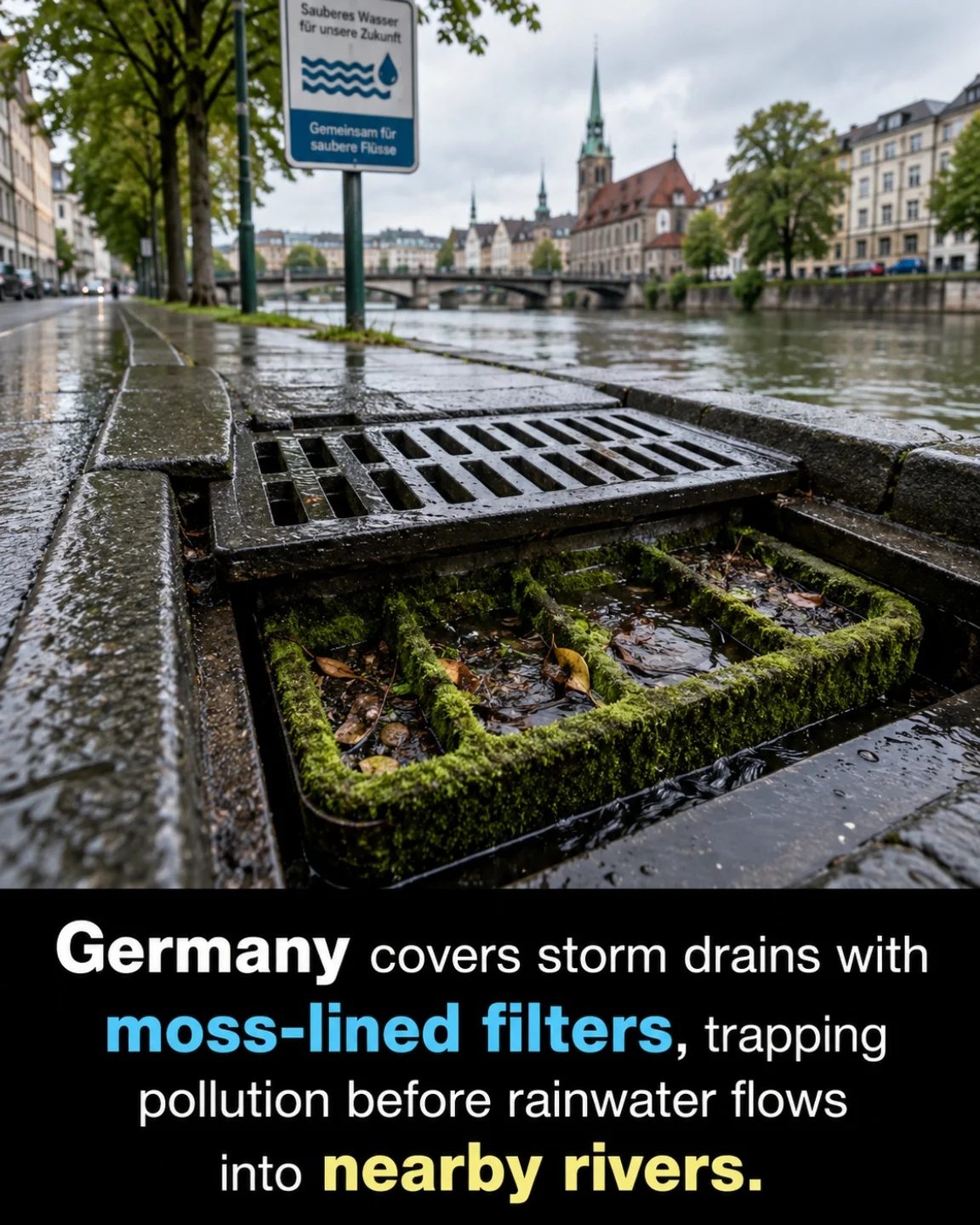
Storm drains are ubiquitous in urban landscapes, designed to channel rainwater away from streets and buildings. However, they often carry more than just water — pollutants from roads, sidewalks, and rooftops can contaminate nearby waterways. Germany has implemented an innovative solution to mitigate this issue: moss-lined filters that trap pollution before it enters rivers.
Why This Matters
Urban runoff is a significant source of water pollution. As rainwater flows over impervious surfaces like asphalt and concrete, it picks up a variety of contaminants, including heavy metals, oil, and sediment. Traditional storm drains do little to filter out these pollutants, allowing them to directly enter local water bodies. This can have detrimental effects on aquatic ecosystems and water quality. By incorporating moss-lined filters into storm drains, Germany is taking a proactive step towards reducing this pollution and protecting its waterways.
The Moss-Lined Filter Solution
How It Works
Moss-lined filters are a simple yet effective environmental technology. These filters consist of layers of moss placed over storm drains. As rainwater flows through the moss, it undergoes a natural filtration process. The moss absorbs and traps pollutants, allowing cleaner water to pass through and flow into rivers and other water bodies.
The Science Behind Moss Filtration
Moss is a remarkable plant with unique properties that make it ideal for water filtration. It has a high surface area-to-volume ratio, which means it can trap a large amount of particles and pollutants. Additionally, moss has a natural ability to absorb and retain water, which helps to slow down the flow of rainwater, allowing more time for filtration to occur. The moss also supports a diverse ecosystem of microbes and fungi, which can further break down and reduce pollutants.
Benefits for Urban Environments
Incorporating moss-lined filters into storm drains offers several benefits for urban environments:
- Improved Water Quality: By trapping pollutants, moss filters help to improve the quality of water that flows into local rivers and streams.
- Enhanced Biodiversity: Moss provides a habitat for various microorganisms and insects, contributing to the overall biodiversity of the urban ecosystem.
- Aesthetic Appeal: Moss-lined filters can enhance the visual appeal of urban landscapes, adding a touch of greenery to otherwise stark concrete environments.
- Cost-Effective: Moss is a low-cost and readily available material, making moss-lined filters a cost-effective solution for municipalities.
Practical Tips for Implementing Moss-Lined Filters
If you're interested in implementing moss-lined filters in your community, here are some practical tips to get you started:
Assess Your Local Regulations
Before installing moss-lined filters, check local regulations and permits required for modifying storm drains. Some jurisdictions may have specific guidelines or restrictions.
Choose the Right Type of Moss
Different types of moss have varying filtration capacities. Research and choose a species that is well-suited to your local climate and pollution levels. Common options include reindeer moss, Irish moss, and cushion moss.
Install the Filters Properly
Proper installation is crucial for the effectiveness of moss-lined filters. Ensure that the moss is securely attached to the drain and that it covers the entire surface area. Regularly inspect and maintain the filters to remove any accumulated debris and ensure they remain functional.
Monitor and Maintain
Regular monitoring and maintenance are essential to keep the filters effective. Periodically check the filters for any signs of wear or damage, and replace the moss as needed. This will ensure that the filters continue to trap pollutants efficiently.
Important Takeaways
Storm drain filtration is a critical aspect of urban water management. By adopting moss-lined filters, communities can effectively reduce the amount of pollution entering local waterways, thereby improving water quality and protecting aquatic ecosystems. This innovative solution not only addresses environmental concerns but also enhances the aesthetic appeal of urban landscapes and supports biodiversity.
Conclusion
Moss-lined storm drain filters represent a sustainable and effective approach to urban water management. By harnessing the natural filtration capabilities of moss, Germany is setting a strong example for other communities to follow. As urbanization continues to expand, implementing such green technologies can help mitigate the environmental impact and create healthier, more sustainable cities. Whether you're a local government official, an environmental activist, or a concerned citizen, consider the benefits of moss-lined filters and take steps to integrate this solution into your community.
Questions readers ask
How do moss-lined storm drains in Germany help combat urban water pollution?
Moss-lined storm drains act as natural filters, trapping pollutants such as heavy metals, oil, and sediment from urban runoff before they can reach local rivers and waterways. This process reduces the amount of contamination that enters these ecosystems, thereby improving water quality.
What types of contaminants are typically found in urban runoff?
Urban runoff often contains a mix of pollutants, including heavy metals from vehicle emissions, oil and grease from road wear and tear, and sediment from eroded soil. These contaminants can have harmful effects on aquatic life and overall water quality if left unfiltered.
How do moss-lined storm drains differ from traditional storm drains?
Traditional storm drains simply channel water away from urban surfaces, offering no filtration. Moss-lined storm drains, on the other hand, are designed to capture and filter out pollutants using the natural properties of moss, which can absorb and trap contaminants before they enter waterways.
What benefits do moss-lined storm drains provide for local ecosystems?
By reducing the amount of pollutants that enter rivers and other water bodies, moss-lined storm drains help protect the health of aquatic ecosystems. This can lead to improvements in water quality, supporting a wider range of plant and animal species and promoting overall biodiversity.
How effective are moss-lined storm drains in improving water quality?
Studies have shown that moss-lined storm drains can significantly reduce the levels of pollutants in urban runoff. The effectiveness varies depending on the type and density of the moss used, as well as the specific pollutants present, but overall, these natural filters have proven to be a viable solution for enhancing water quality in urban areas.
Can moss-lined storm drains be implemented in other countries besides Germany?
Yes, the concept of moss-lined storm drains can be adapted and implemented in other countries. The key is to identify suitable moss species and stormwater management systems that are compatible with local environmental conditions. Many cities around the world are exploring similar eco-friendly stormwater management solutions to combat urban water pollution.
What maintenance is required for moss-lined storm drains to function optimally?
Moss-lined storm drains require regular maintenance to ensure their effectiveness. This includes periodic cleaning to remove accumulated debris and pollutants, as well as monitoring the health of the moss to ensure it remains effective at filtering contaminants. Proper maintenance helps prolong the lifespan and efficiency of these natural filters.
Related deep dives
Similar reads based on topic and creator.




Recent articles
Fresh deep dives from the latest Reels we unpacked.


Comments
Be the first to comment.