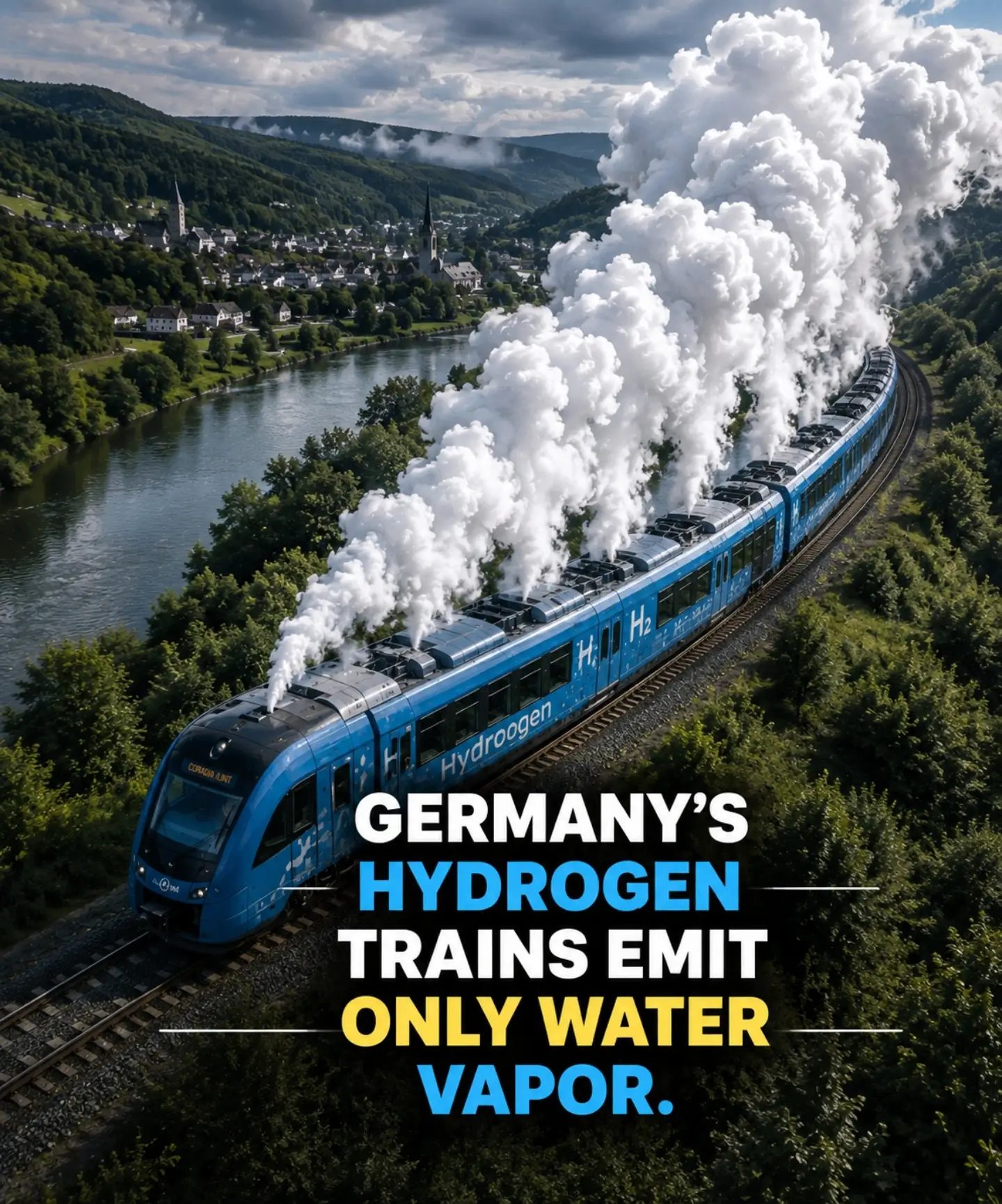
Hydrogen Trains: The Future of Eco-Friendly Transportation
Hydrogen trains are revolutionizing the transportation sector, particularly in Germany, by offering a sustainable alternative to conventional diesel-powered trains. These innovative vehicles emit only water vapor, making them a game-changer in the quest for cleaner, greener transit systems. Let's delve into the technology, benefits, and practical implications of hydrogen trains.
Context / Why This Matters
Hydrogen trains are crucial in reducing carbon emissions, a pressing need in today's climate-conscious world. As countries strive to meet their carbon reduction targets, the transportation sector is under scrutiny. Hydrogen trains offer a viable solution, providing a clean and efficient mode of transportation that aligns with global sustainability goals.
Main Discussion
Understanding Hydrogen Trains
Hydrogen trains operate using hydrogen fuel cells, which combine hydrogen with oxygen to produce electricity. This process generates water vapor as a byproduct, making these trains virtually emission-free. Unlike diesel trains, which contribute significantly to air pollution, hydrogen trains significantly reduce the carbon footprint associated with rail travel.
The Technology Behind Hydrogen Trains
The hydrogen-powered train operates on a hydrogen fuel cell system. Hydrogen gas, typically stored in tanks, is combined with oxygen from the air to generate electricity. This electricity powers the train's electric motors, propelling it forward. The only byproduct of this process is water vapor, which is released into the atmosphere, leaving no harmful emissions behind.
The efficiency of hydrogen trains is not just about reducing emissions; it's also about optimizing energy use. Hydrogen fuel cells can convert hydrogen's energy into electricity with high efficiency, often around 50-60%. This is significantly higher than the efficiency of internal combustion engines used in diesel trains. Moreover, the hydrogen fuel cell technology is versatile and can be integrated into various types of train, from short-range commuter trains to long-haul freight trains.
Hydrogen Trains in Germany
Germany is at the forefront of adopting hydrogen train technology. The country has been actively testing and deploying hydrogen trains as part of its commitment to reducing greenhouse gas emissions. German rail operators have already introduced hydrogen trains on several routes, showcasing their reliability and effectiveness. The trains have received positive feedback from passengers and operators alike, highlighting their potential for widespread adoption.
Environmental Benefits
The primary advantage of hydrogen trains is their environmental friendliness. By emitting only water vapor, these trains significantly reduce air pollution and contribute to lower greenhouse gas emissions. The use of hydrogen as a fuel source aligns with the global push towards a hydrogen economy, where hydrogen is produced from renewable sources, further reducing the environmental impact.
Additionally, hydrogen trains can help reduce noise pollution. Hydrogen fuel cells operate quietly, making the ride more comfortable for passengers and minimizing disruption for residents living near rail lines. This makes hydrogen trains an attractive option for urban and suburban rail services.
Economic and Operational Benefits
Hydrogen trains also offer economic advantages. While the initial investment in hydrogen infrastructure can be high, the long-term operational costs can be lower than those of diesel trains. Hydrogen fuel is more cost-effective in the long run, especially as hydrogen production becomes more efficient and widespread. Operators also benefit from reduced maintenance costs, as hydrogen fuel cells have fewer moving parts than diesel engines.
Moreover, hydrogen trains can be refueled quickly, similar to diesel trains. This means that they can be integrated into existing rail networks with minimal disruption. The flexibility of hydrogen fuel cells allows for both short and long-haul operations, making them suitable for a wide range of applications.
Practical Tips
For Rail Operators
Invest in Hydrogen Infrastructure: While the initial investment can be high, building a robust hydrogen refueling infrastructure can pave the way for long-term savings. Operators should consider collaboration with governments and private sectors to share the costs.
Employee Training: Ensure that your staff is well-trained to handle hydrogen refueling and maintenance. Invest in training programs that cover safety protocols and operational procedures.
Public Awareness: Engage with the public to build awareness and support for hydrogen trains. Highlight the environmental benefits and the reliability of the technology.
For Passengers
Stay Informed: Keep yourself updated with the introduction of hydrogen trains on your routes. Knowing the schedules and benefits can help you make informed decisions about your travel.
Engage with Providers: Provide feedback to rail operators about your experience with hydrogen trains. Your input can help improve the service and make future trips even better.
Support Sustainable Initiatives: Encourage the adoption of hydrogen trains by supporting initiatives that promote sustainable transportation. Your support can help accelerate the transition to cleaner, greener travel options.
Important Takeaways
Hydrogen trains represent a significant leap forward in sustainable transportation. With their near-zero emissions, efficiency, and flexibility, they offer a compelling alternative to conventional diesel trains. Germany's success in deploying hydrogen trains sets a strong example for other countries to follow, highlighting the potential of this technology.
Conclusion
Hydrogen trains are not just a concept for the future; they are a reality today, transforming the way we think about rail transportation. With their environmental and operational benefits, hydrogen trains are poised to play a critical role in reducing carbon emissions and promoting sustainable travel. As more countries adopt this technology, the future of transportation looks cleaner, greener, and more efficient.
Questions readers ask
How do hydrogen trains work and what makes them eco-friendly?
Hydrogen trains use fuel cells to combine hydrogen with oxygen, generating electricity, water, and heat. They are eco-friendly as their only byproduct is water vapor, making them a zero-emission alternative to diesel-powered trains. This process helps reduce the carbon footprint of the transportation sector.
What are the benefits of hydrogen trains over conventional trains?
Hydrogen trains offer several benefits, including zero emissions, reduced noise pollution, and lower operating costs due to fewer mechanical parts. They also have a longer range, making them particularly useful for rural or remote areas, where electrified rail networks are not yet available.
How does Germany's adoption of hydrogen trains align with global sustainability goals?
Germany's adoption of hydrogen trains is a significant step towards achieving global sustainability goals, particularly in reducing carbon emissions. By investing in hydrogen technology, Germany aims to decrease its reliance on fossil fuels in the transportation sector, thus serving as a model for other countries.
Where can I find hydrogen-powered trains in Germany and what routes do they cover?
Hydrogen-powered trains in Germany, such as the Coradia iLint, operate in regions like Lower Saxony. These trains cover routes that connect towns and cities, demonstrating the practical application of hydrogen technology in daily transportation. Specific routes and schedules can be found on the respective regional railway websites.
What infrastructure is needed to support hydrogen trains, and what is Germany doing to establish it?
Supporting hydrogen trains requires a network of hydrogen refueling stations. Germany is actively establishing this infrastructure, with a focus on developing hydrogen production facilities, storage solutions, and distribution networks. This includes partnerships with industry leaders and investments in research and development.
How do hydrogen trains compare to electric trains in terms of performance and efficiency?
Hydrogen trains can be as efficient as electric trains, but they have the advantage of being more versatile in areas where electrification is not feasible. While electric trains are ideal for urban areas with existing overhead lines, hydrogen trains can operate in rural or remote regions, making them a more flexible option for widespread adoption.
Related deep dives
Similar reads based on topic and creator.

Recent articles
Fresh deep dives from the latest Reels we unpacked.




Comments
Be the first to comment.