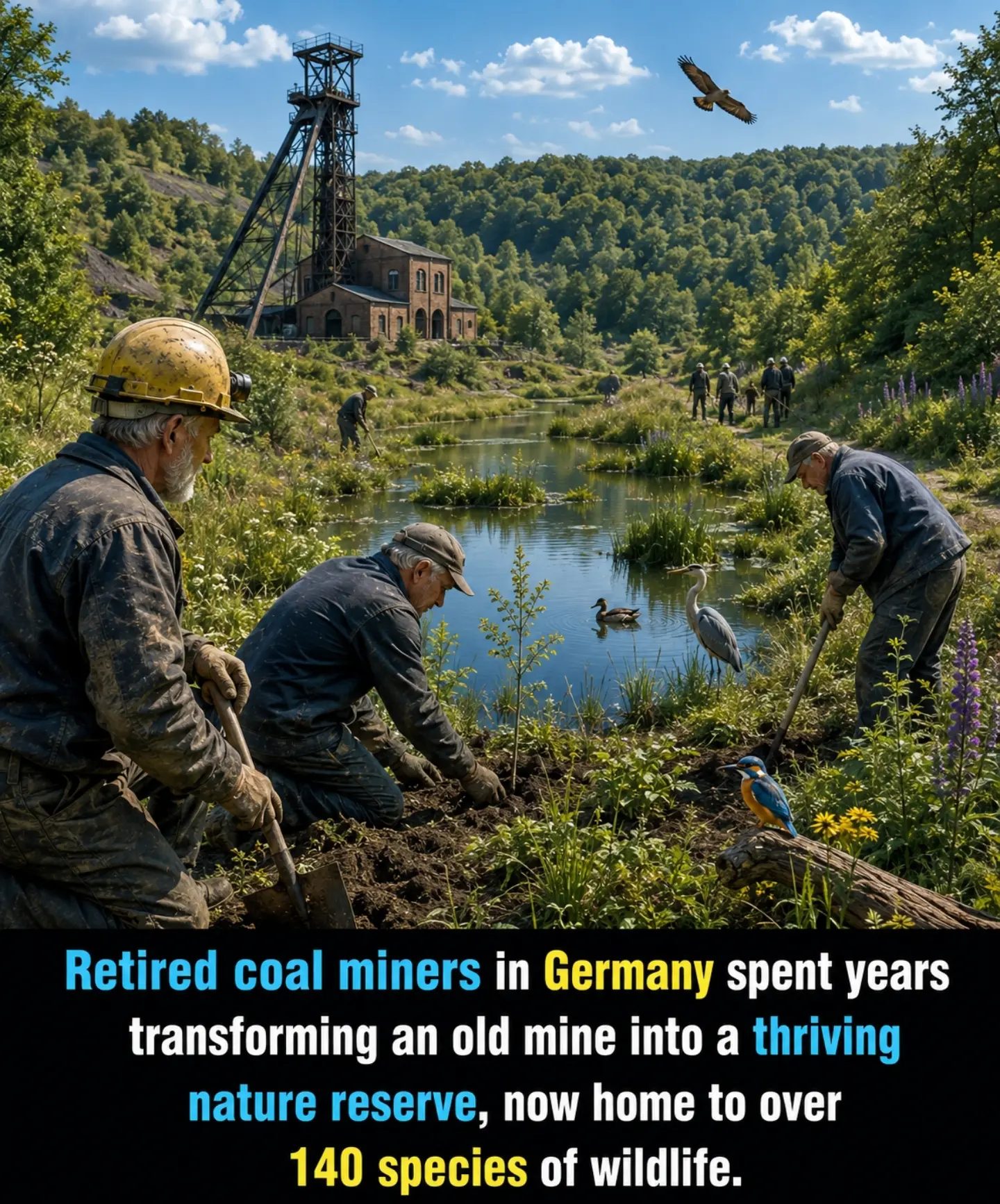
Nature Reserve Restoration: The Transformation of an Old Mine
Retired coal miners in Germany have undertaken an extraordinary endeavor, transforming a former coal mine into a thriving nature reserve. This impressive project not only revitalizes a degraded landscape but also serves as a testament to the power of environmental conservation and community involvement. The restored site is now home to over 140 species of wildlife, showcasing the remarkable potential of rehabilitation efforts.
Why This Matters
Environmental restoration projects like this one are crucial for several reasons. They help mitigate the ecological damage caused by industrial activities, create habitats for diverse wildlife, and foster a deeper connection between communities and their natural surroundings. This particular initiative highlights how former industrial sites can be repurposed to benefit both people and the environment.
The Restoration Process
The Initial Transformation
The journey from a defunct coal mine to a flourishing nature reserve is a multifaceted process that involves several key steps. The initial phase often includes the removal of hazardous materials and the stabilization of the site to prevent further degradation. Retired coal miners in Germany have played a pivotal role in this transformation, leveraging their expertise and local knowledge to navigate the complexities of the restoration process.
Planting Vegetation
One of the most critical aspects of the restoration is the planting of native vegetation. This not only helps to stabilize the soil but also provides essential habitats for a variety of wildlife. The miners have meticulously selected and planted species that are well-suited to the local climate and soil conditions, ensuring the long-term success of the reserve.
Creating Water Features
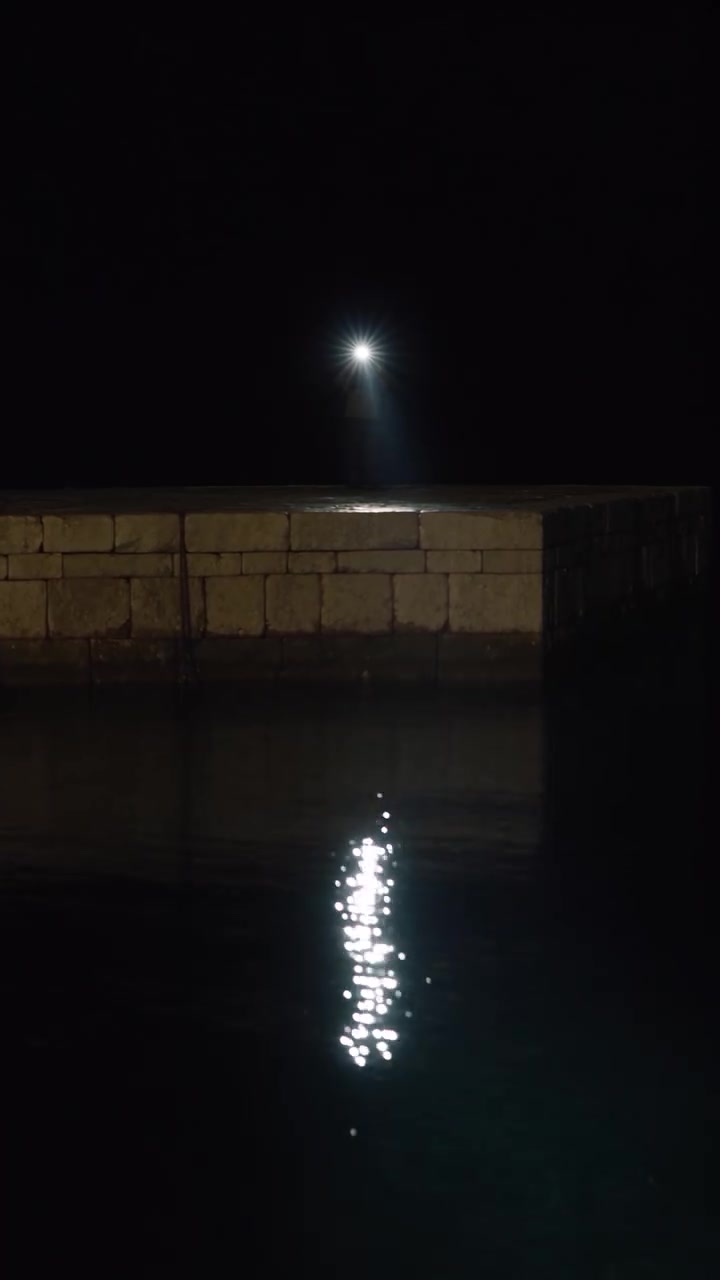
Water is a vital component of any ecosystem, and the creation of ponds and other water features has been a key part of the restoration project. These water bodies not only provide a habitat for aquatic species but also attract a diverse range of wildlife, including birds and mammals. The pond seen in the visuals is a prime example of how a simple water feature can significantly enhance the biodiversity of the reserve.
Community Engagement
The involvement of retired coal miners in this project is a powerful example of how community engagement can drive successful environmental initiatives. Their hands-on experience with the site and their commitment to its restoration have been invaluable. Community involvement not only ensures the sustainability of the project but also fosters a sense of ownership and responsibility among the participants.
Maintaining the Eco System
Wildlife Conservation
The restored nature reserve is now home to over 140 species of wildlife, including various birds, mammals, and insects. The success of the project in attracting such a diverse range of species underscores the importance of creating habitats that mimic natural ecosystems. The miners have carefully monitored the wildlife population to ensure that the reserve remains a thriving habitat for all species.
Monitoring and Management
Ongoing monitoring and management are essential for the long-term success of the nature reserve. This involves regular assessments of the vegetation, wildlife, and overall health of the ecosystem. The miners and their team are committed to continuous improvement, ensuring that the reserve remains a vibrant and sustainable habitat for years to come.
Future Prospects
The transformation of the old mine into a nature reserve is an ongoing process. Future plans include expanding the water features, planting more vegetation, and exploring ways to make the reserve more accessible to the public. These initiatives will not only enhance the biodiversity of the site but also create opportunities for educational programs and community engagement.
Practical Tips for Nature Reserve Restoration
For those inspired by this project and considering similar initiatives, here are some practical tips to get started:
Assess the Site
Before beginning any restoration work, it's essential to conduct a thorough assessment of the site. This includes identifying any hazardous materials, understanding the soil conditions, and evaluating the local flora and fauna. This information will guide the restoration process and help ensure its success.
Engage the Community
Community involvement is crucial for the sustainability of any restoration project. Engage local residents, schools, and other stakeholders to participate in the planning and implementation phases. Their support and expertise can significantly enhance the project's outcomes.
Choose Native Species
When planting vegetation, opt for native species that are well-suited to the local climate and soil conditions. Native plants are more likely to thrive and provide essential habitats for wildlife.
Create Water Features
Water features such as ponds and streams can significantly enhance the biodiversity of a nature reserve. Plan and create water features that are both visually appealing and ecologically beneficial.
Monitor and Adapt
Ongoing monitoring and management are essential for the long-term success of a nature reserve. Regularly assess the health of the ecosystem and make adjustments as needed. This proactive approach will ensure that the reserve remains a thriving habitat for years to come.
Important Takeaways
- Community involvement is crucial for the success of environmental restoration projects.
- Creating habitats that mimic natural ecosystems can attract a diverse range of wildlife.
- Ongoing monitoring and management are essential for the long-term sustainability of a nature reserve.
- Engaging the community in the restoration process fosters a sense of ownership and responsibility.
- The transformation of industrial sites into nature reserves can have significant ecological and social benefits.
Conclusion
The transformation of a former coal mine into a thriving nature reserve in Germany is a testament to the power of environmental conservation and community involvement. Retired coal miners have played a pivotal role in this project, showcasing how expertise and dedication can drive successful restoration efforts. The reserve now supports over 140 species of wildlife, demonstrating the remarkable potential of rehabilitation projects. By following practical tips and engaging the community, similar initiatives can be undertaken elsewhere, contributing to the preservation of our natural heritage.
Questions readers ask
Who initiated the transformation of the old coal mine in Germany?
The transformation was initiated by a group of retired coal miners who wanted to revitalize the degraded landscape and create a beneficial impact on the environment and community.
How many wildlife species now inhabit the restored nature reserve?
The restored nature reserve is now home to over 140 different species of wildlife, demonstrating the success of the restoration efforts.
What makes this project a testament to community-driven conservation efforts?
The project stands as a testament to community-driven conservation efforts because it was undertaken by local retired coal miners who were committed to reviving the land and creating a thriving wildlife habitat, rather than being a top-down initiative.
What are the benefits of turning an old mine into a nature reserve?
Turning an old mine into a nature reserve helps mitigate the ecological damage caused by industrial activities, creates habitats for diverse wildlife, and fosters a deeper connection between communities and their natural surroundings. Additionally, it provides a space for recreation and environmental learning.
What role did the community play in the restoration of the old coal mine?
The community, specifically the retired coal miners, played a crucial role in the restoration by volunteering their time, expertise, and resources to transform the old coal mine into a thriving nature reserve.
What can other communities learn from this initiative in Germany?
Other communities can learn the importance of collaboration and perseverance in environmental conservation. The success of this project shows that with dedication and community effort, even degraded lands can be restored to support biodiversity and ecological balance.
What kinds of wildlife can be found in the restored German nature reserve?
The restored nature reserve is home to a diverse range of wildlife, including various species of birds, mammals, amphibians, and insects, contributing to the overall biodiversity of the region.
Related deep dives
Similar reads based on topic and creator.


Recent articles
Fresh deep dives from the latest Reels we unpacked.

Comments
Be the first to comment.