Alcohol Industry Decline: The Impact of Changing Consumer Behavior
The alcohol industry faces a significant financial crisis, having lost a staggering $830 billion over the past four years. This decline is primarily attributed to the changing consumption habits of younger generations, particularly Gen Z, who are drinking less than their predecessors. The financial losses and shifting trends warrant a deeper examination of the industry's future and the factors driving this decline.
Context / Why This Matters
The $830 billion loss in the alcohol industry is a stark indicator of a broader shift in consumer behavior. The industry has traditionally relied on consistent revenue from various age groups, but recent trends suggest a significant departure from this norm. Understanding why this change is happening is crucial for stakeholders, including producers, retailers, and policymakers, to navigate the evolving market landscape.
The Driving Forces Behind the Decline
Generational Shifts in Alcohol Consumption
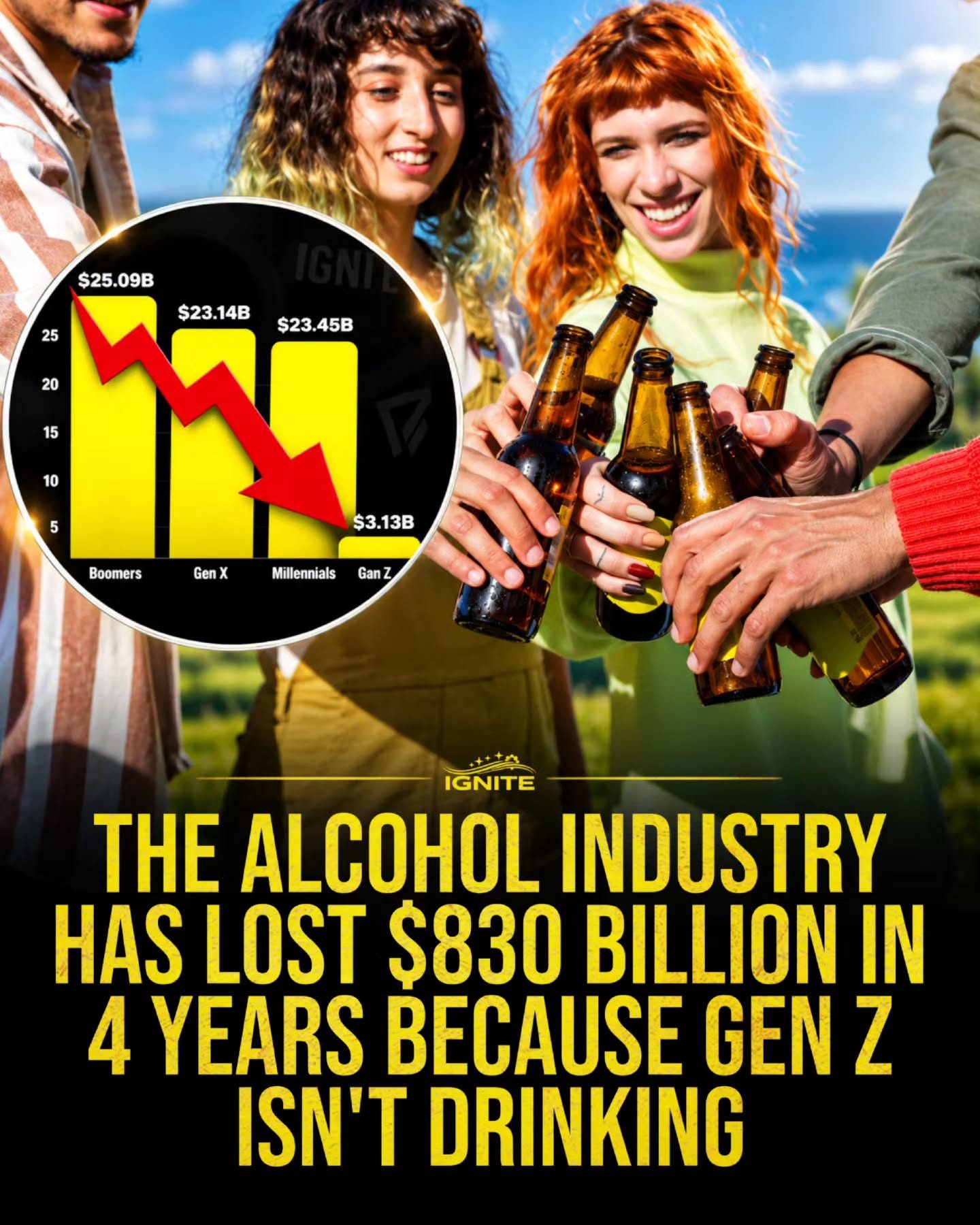
One of the most notable trends highlighted by the infographic is the reduction in alcohol consumption among younger generations, particularly Gen Z. This group is known for its tech-savvy and health-conscious lifestyle, which often excludes excessive alcohol consumption. According to the IGNITE infographic, Gen Z contributes the least to the alcohol industry, with revenue figures significantly lower than those of Boomers, Gen X, and Millennials.
Key Revenue Figures by Generation:
- Boomers: $25.09 billion
- Gen X: $23.14 billion
- Millennials: $23.45 billion
- Gen Z: $3.13 billion
These figures underscore the significant disparity in spending between the older and younger generations. The alcohol industry must adapt to this shift, as younger consumers are increasingly opting for non-alcoholic beverages and health-conscious alternatives.
Health and Wellness Trends
The rise in health and wellness awareness is a significant factor in the decline of alcohol consumption, particularly among younger generations. Many Gen Z individuals prioritize physical and mental health, leading to a decrease in alcohol intake. This trend is driven by various factors, including:
- Increased Knowledge of Health Risks: Younger consumers are more informed about the health risks associated with excessive alcohol consumption, such as liver disease, addiction, and mental health issues.
- Wellness Lifestyles: The wellness trend encourages individuals to adopt healthier lifestyles, which often exclude regular alcohol use.
- Social Media Influence: Social media platforms play a pivotal role in shaping consumer preferences, with many influencers promoting sober living and non-alcoholic beverages.
Changing Social Norms
Social norms around alcohol consumption are also evolving. Unlike previous generations, many younger individuals are less likely to engage in binge drinking or frequent social drinking. Instead, they are more likely to engage in activities that do not involve alcohol, such as fitness classes, mindfulness practices, and outdoor activities. This shift in social norms has a profound impact on the alcohol industry, as it reduces the demand for alcoholic beverages in social settings.
Practical Tips for the Future
To navigate this changing landscape, the alcohol industry must adopt innovative strategies to cater to the evolving preferences and behaviors of younger consumers. Here are some practical tips:
Diversify Product Offerings
Alcohol producers should consider expanding their product lines to include non-alcoholic beverages and low-alcohol options. This diversification can help maintain market share and attract new customers who prioritize health and wellness.
Emphasize Moderation
Promoting a culture of moderation can help the alcohol industry maintain relevance in a health-conscious market. This approach can involve creating campaigns and promotions that encourage responsible drinking and highlight the benefits of limiting alcohol intake.
Engage with Younger Demographics
To better understand and meet the needs of younger consumers, the industry should engage with them through targeted marketing and research. This engagement can involve social media campaigns, partnerships with influencers, and feedback mechanisms to gather insights into the preferences and behaviors of younger consumers.
Important Takeaways
The $830 billion loss in the alcohol industry underscores the need for adaptation and innovation. Key takeaways include:
- Generational Shifts: Younger generations, particularly Gen Z, are consuming less alcohol, which has significantly impacted industry revenue.
- Health and Wellness: The rise in health and wellness trends is driving a decrease in alcohol consumption, as younger consumers prioritize physical and mental well-being.
- Changing Social Norms: Social norms around alcohol consumption are evolving, with younger individuals opting for sober living and non-alcoholic activities.
Conclusion
The alcohol industry's financial losses highlight the urgent need for adaptation in response to shifting consumer behaviors. By understanding the factors driving this decline and implementing practical strategies, the industry can navigate the evolving market and continue to thrive. The future of the alcohol industry will depend on its ability to innovate, diversify, and engage with younger consumers in meaningful ways.
Questions readers ask
What is the cause for the $830 billion decline in the alcohol industry?
The primary cause is the shift in consumption habits of younger generations, especially Gen Z, who are increasingly choosing to abstain from or reduce their alcohol intake. This change is driven by a growing emphasis on health and wellness, as well as the influence of tech-savvy lifestyles.
Why are Gen Z consumers drinking less than previous generations?
Gen Z consumers are more health-conscious and prioritize wellness trends, which often discourage excessive alcohol consumption. Additionally, their tech-savvy lifestyles can expose them to more information about the benefits of abstaining from or reducing alcohol, influencing them to consume less.
How is the alcohol industry adapting to the decline in consumption by Gen Z?
The industry is exploring new strategies to attract younger consumers, such as developing non-alcoholic beverages and promoting products that align with wellness trends. These include low-alcohol and alcohol-free options, as well as products that highlight their natural or functional ingredients.
What role do wellness trends play in the shift away from alcohol among Gen Z?
Wellness trends have a significant impact on Gen Z's drinking habits. Many in this generation are focused on maintaining a healthy lifestyle, which often involves reducing or eliminating alcohol. This trend is further amplified by the rise of tech-savvy lifestyles, where information about wellness and health is easily accessible and influential.
How do the drinking habits of Millennials compare to those of Gen Z?
Millennials generally consume more alcohol than Gen Z. While Millennials still contribute to the alcohol industry, their consumption rates are not as high as those of previous generations. In contrast, Gen Z is known for being more health-conscious and less inclined to consume alcohol, leading to a notable decline in the industry's revenue.
What are some alternatives to alcohol that Gen Z consumers are turning to?
Gen Z consumers are increasingly opting for non-alcoholic beverages, such as mocktails, flavored sparkling waters, and other low-calorie or functional drinks. These alternatives cater to their desire for healthier and more mindful consumption habits, providing a refreshing and enjoyable experience without the negative effects of alcohol.
Related deep dives
Similar reads based on topic and creator.



Recent articles
Fresh deep dives from the latest Reels we unpacked.




Comments
Be the first to comment.