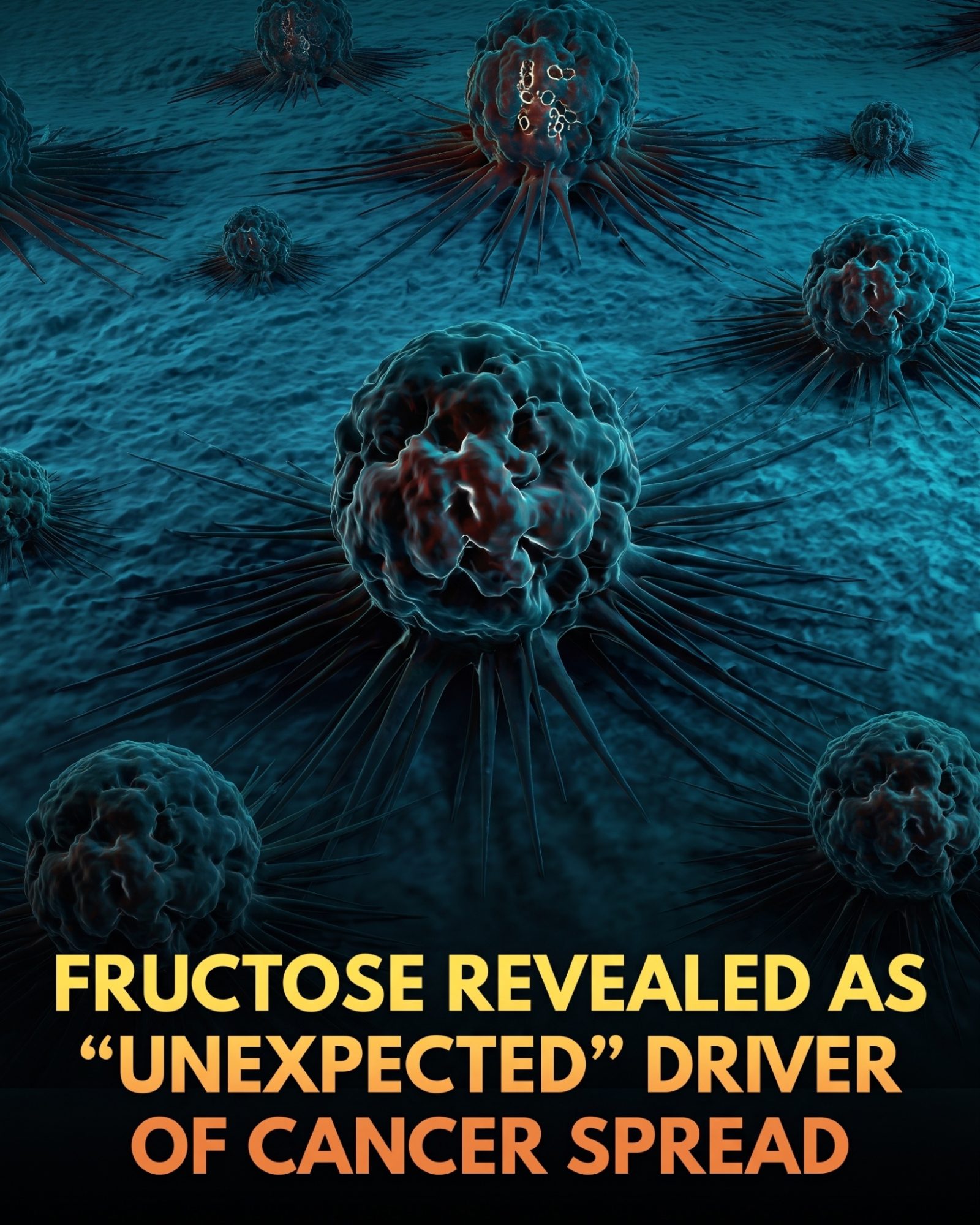
Fructose as an Unexpected Driver of Cancer Spread
Fructose, a simple sugar found in many foods and beverages, has long been known to contribute to health issues like obesity and diabetes. However, recent research has revealed a more sinister role for this sweetener: it may also drive the spread of certain cancers. A groundbreaking study from The Wistar Institute has shed light on an unexpected mechanism behind the recurrence of high-grade serous ovarian cancer, one of the deadliest gynecological diseases.
Why This Matters
Understanding the mechanisms that drive cancer progression is crucial for developing effective treatments. The traditional focus on proteins and cellular genetics has led to significant advances, but this new research shifts the spotlight onto metabolites—small molecules involved in metabolism. By identifying fructose as a key player in cancer spread, scientists open up innovative avenues for therapeutic intervention.
Fructose and Cancer Cell Communication
The study reveals that chemotherapy, while effective at killing many cancer cells, often leaves some cells in a state of senescence. These senescent cells, far from being dormant, remain highly active and secrete a complex mixture of molecules that communicate with neighboring cells. One of the most surprising findings was that fructose acts as a key messenger in this communication.
The Role of Senescent Cells
Senescent cells, which survive chemotherapy, secrete fructose. This fructose then acts as a signal that dramatically suppresses cholesterol in surrounding cancer cells. The reduction in cholesterol weakens the cells' ability to stick together, allowing them to break away and metastasize more easily. This process highlights how cancer cells can adapt and exploit metabolic pathways to survive and spread.
Fructose and Cholesterol Suppression
The mechanism by which fructose suppresses cholesterol in cancer cells is still being investigated, but the preliminary findings are clear: fructose plays a critical role in facilitating the spread of cancer. By understanding this interaction, researchers hope to develop new strategies to block fructose metabolism, potentially preventing tumors from spreading.
The Impact of Dietary Fructose
One of the most concerning implications of this research is the potential impact of dietary fructose on cancer progression. High levels of dietary fructose, commonly found in sugary beverages, could exacerbate the metastatic signaling driven by senescent cells. While more research is needed to fully understand this relationship, the findings underscore the importance of diet and metabolism in cancer treatment and prevention.
Practical Tips
Given the potential link between dietary fructose and cancer spread, there are several practical steps individuals can take to mitigate risk:
Monitor Fructose Intake
Reduce consumption of foods and beverages high in fructose, such as sugary drinks, processed foods, and high-fructose corn syrup. Opt for natural sugars found in fruits and vegetables, which also provide essential nutrients and fiber.
Maintain a Balanced Diet
A balanced diet rich in whole foods, including fruits, vegetables, lean proteins, and whole grains, can support overall health and help reduce the risk of cancer. Focus on nutrient-dense foods that provide a variety of vitamins and minerals.
Stay Informed
Keep up-to-date with the latest research on cancer and diet. The field of oncology is rapidly evolving, and new findings can provide valuable insights into preventive measures and treatment options.
Important Takeaways
- Fructose as a Key Messenger: Fructose secreted by senescent cells acts as a signal that suppresses cholesterol in surrounding cancer cells, facilitating metastasis.
- Dietary Impact: High levels of dietary fructose, commonly found in sugary beverages, could potentially exacerbate metastatic signaling in cancer cells.
- New Therapeutic Avenues: Understanding the role of fructose opens up new avenues for therapeutic intervention, focusing on metabolites rather than proteins.
Conclusion
The discovery of fructose as an unexpected driver of cancer spread marks a significant shift in our understanding of cancer biology. By targeting metabolic pathways and metabolites like fructose, researchers hope to develop more effective treatments and preventive strategies. The relationship between diet and cancer is complex, and ongoing research will continue to unveil new insights into this critical area. As we learn more, it becomes increasingly clear that lifestyle choices, particularly diet, play a crucial role in both cancer prevention and treatment.
Questions readers ask
How does fructose contribute to the spread of cancer cells?
Fructose influences cancer cells by altering their metabolism. In the case of high-grade serous ovarian cancer, fructose can drive cancer cells to become more aggressive and spread more readily, a process known as metastasis. This occurs through changes in cellular metabolism that enhance the cells' ability to invade and migrate to other parts of the body.
Which type of cancer is most affected by the presence of fructose?
High-grade serous ovarian cancer is a specific type of cancer that has been linked to fructose-driven metastasis. This form of ovarian cancer is particularly aggressive and has a high mortality rate, making the discovery of fructose's role in its spread highly significant for potential new treatment avenues.
What are the implications of this research for cancer treatment?
This research opens new avenues for developing targeted treatments. By understanding how fructose influences cancer cell metabolism, researchers can explore ways to disrupt this process and potentially slow or stop the spread of cancer. This could lead to more effective therapies, especially for cancers that have not responded well to traditional treatments.
How does fructose influence cellular metabolism in cancer cells?
Fructose alters the metabolism of cancer cells by providing an alternative energy source that can fuel their rapid growth and spread. Unlike glucose, which is the body's primary energy source, fructose can be rapidly metabolized by certain cancer cells, leading to increased cell proliferation and metastasis. This metabolic shift is a key factor in the aggressive behavior of some cancers.
Can changes in diet impact the progression of cancer in patients?
While more research is needed, the link between fructose and cancer metastasis suggests that dietary changes could play a role in managing cancer progression. Reducing fructose intake may help slow the spread of certain cancers, particularly those driven by fructose metabolism, such as high-grade serous ovarian cancer.
What are the next steps in research following this discovery?
The next steps involve further studies to validate these findings and explore the specific mechanisms by which fructose influences cancer cell behavior. Researchers will also investigate potential therapies that can disrupt the metabolic pathways activated by fructose, aiming to develop new treatments that can enhance patient outcomes and survival rates.
Recent articles
Fresh deep dives from the latest Reels we unpacked.




Comments
Be the first to comment.