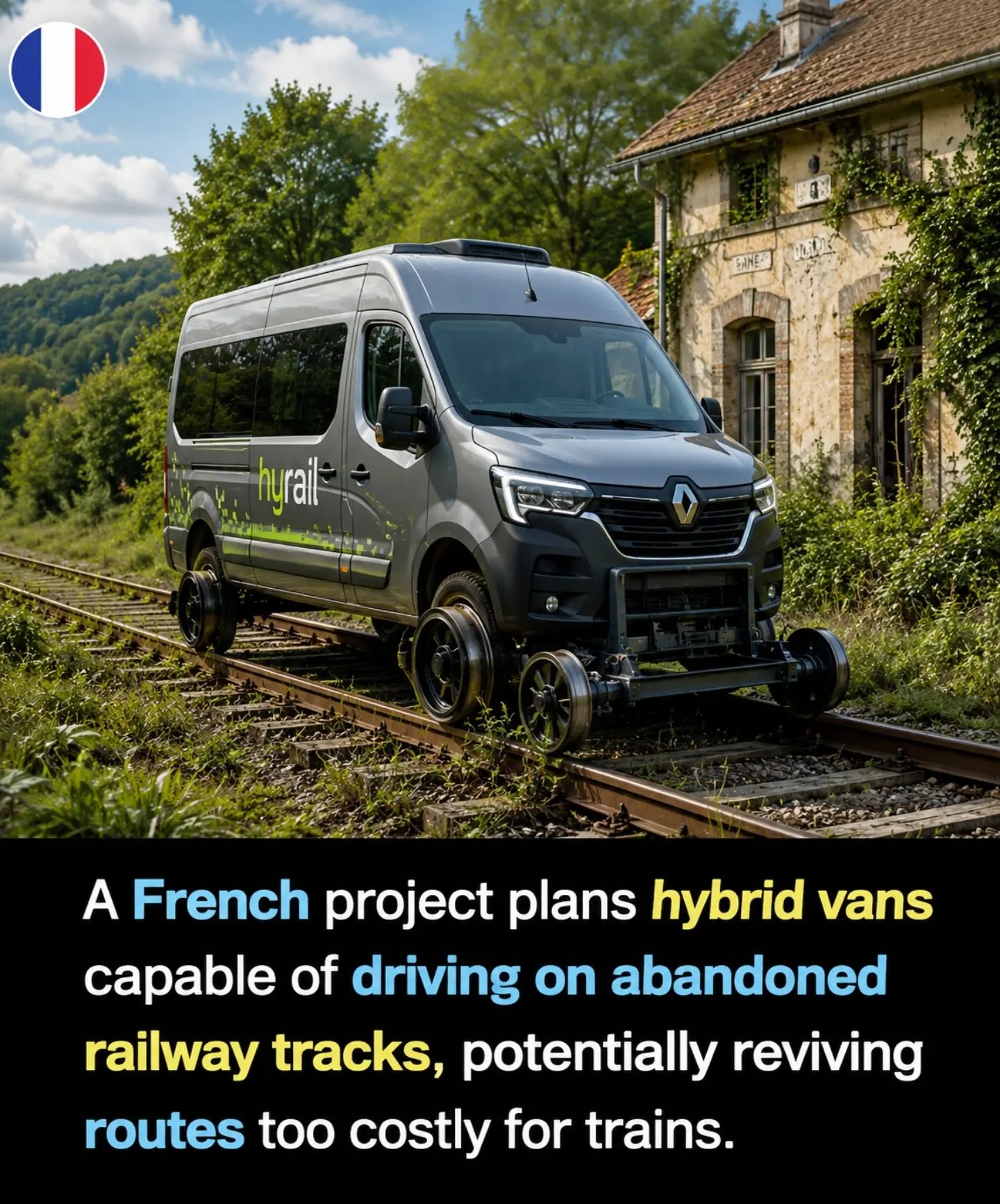
Hybrid Vans: The Future of Rail and Road Transport
Hybrid vans capable of driving on both roads and railway tracks represent an innovative solution to modern transportation challenges. These versatile vehicles, exemplified by the hyrail van, are designed to operate on both conventional roads and abandoned railway lines, offering a unique blend of flexibility and efficiency.
The Need for Versatile Transport Solutions
Many rural areas, especially in regions with extensive former railway networks, face significant challenges in maintaining and reviving these rail routes. Traditional railway infrastructure can be costly to maintain, and certain routes may become financially unviable for full-scale train operations. This is where hybrid vans like the hyrail come into play. By utilizing existing but disused railway tracks, these vehicles can help revive essential transport links without the prohibitive costs associated with full rail rejuvenation.
How Hybrid Vans Work
Hybrid vans designed for dual road and rail use, such as the hyrail, boast a unique design that allows them to switch between road and rail modes seamlessly. These vans typically feature adjustable axles and wheels that can be configured to fit railway tracks or road surfaces. This adaptability makes them ideal for regions where both types of infrastructure are present. The transition between the two modes can often be carried out with minimal manual intervention, making these vehicles both practical and efficient.
The Benefits of Dual-Mode Vehicles
Cost Savings
One of the most significant advantages of hybrid vans is the potential for cost savings. By leveraging existing but underutilized or abandoned railway tracks, these vehicles reduce the need for extensive new infrastructure. This is particularly beneficial in rural and remote areas where building new roads or rails can be prohibitively expensive.
Eco-Friendly
These vans are also designed with sustainability in mind. The hybrid nature of these vehicles often results in lower emissions compared to traditional road vehicles. By utilizing existing tracks, they also help reduce the environmental impact associated with new construction projects, preserving natural landscapes and minimizing habitat disruption.
Flexibility and Efficiency
Hybrid vans offer unparalleled flexibility. They can easily adapt to different terrain and infrastructure, making them suitable for a variety of applications, from logistics and supply chain operations to public transportation. This flexibility ensures that even in areas with limited infrastructure, essential services can be maintained without significant investment.
Current Projects and Future Potential
France is at the forefront of developing hybrid vans. The French project showcases a pilot program that aims to utilize these versatile vehicles to revive abandoned railway tracks. The initiative seeks to demonstrate the practicality and benefits of this dual-mode transportation solution, paving the way for similar projects in other regions. By successfully implementing these vans, France aims to show how this approach can be scaled up, potentially transforming the transport landscape in rural and remote areas.
Practical Tips for Implementing Hybrid Vans
If you're considering implementing hybrid vans in your region, here are some practical tips to keep in mind:
Assess Existing Infrastructure
Before deploying hybrid vans, conduct a thorough assessment of the existing infrastructure. Identify which routes can be revamped to support dual-mode transport, and plan accordingly. This initial assessment will help you understand the feasibility and potential benefits of using these vans in your area.
Government and Community Support
Engage with local governments and communities to build support for your project. Highlight the potential cost savings, environmental benefits, and service improvements that hybrid vans can bring. Community backing and government funding can be crucial for the success of such initiatives.
Training and Maintenance
Ensure that the operators and maintenance staff are well-trained to handle the unique requirements of hybrid vans. Regular maintenance and proper training will help extend the lifespan of these vehicles and ensure they operate safely and efficiently.
Important Takeaways
Hybrid vans like the hyrail offer a versatile and sustainable solution to modern transportation challenges. By leveraging existing infrastructure, these vehicles can help revive abandoned railway routes, reduce costs, and minimize environmental impact. As more pilot projects and initiatives emerge, the potential for widespread adoption of these dual-mode vehicles is expected to grow, transforming the way we think about transport in rural and remote areas.
Conclusion
The integration of hybrid vans designed for both roads and railway tracks represents an exciting innovation in the transportation sector. By addressing the unique needs of rural and remote areas, these vehicles offer a practical, cost-effective, and eco-friendly solution to transport challenges. As projects like the French initiative continue to develop, the future of transportation looks more flexible, efficient, and sustainable than ever before.
Questions readers ask
What are hybrid railway vans and how do they operate?
Hybrid railway vans, such as the hyrail, are designed to operate on both conventional roads and railway tracks. They switch between modes of transport seamlessly, allowing them to travel on abandoned railway routes and then transition to roads when needed. These vehicles are equipped with specialized wheels and steering systems to navigate both terrains effectively.
Why are hybrid vans beneficial for rural areas with abandoned railway routes?
Hybrid vans offer a cost-effective solution for rural areas looking to revive abandoned railway routes. They are more affordable to maintain than traditional rail infrastructure and can provide transportation links in regions where full-scale train operations are not feasible. Additionally, they help reduce costs associated with maintaining extensive railway networks.
How do hybrid vans contribute to eco-friendly transportation?
Hybrid vans contribute to eco-friendly transportation by reducing carbon emissions compared to traditional road vehicles. Their ability to run on railway tracks for part of their journey helps lower fuel consumption and environmental impact. This makes them a greener alternative for transporting goods and people in rural areas, especially when combined with renewable energy sources.
What challenges do hybrid vans address in rural transportation?
Hybrid vans address several challenges in rural transportation, including the high cost of maintaining traditional rail infrastructure and the lack of viable train operations on certain routes. By offering a versatile, cost-effective solution, they help revive transportation links in rural areas, improve mobility, and support local economies, ensuring communities remain connected to essential services and markets.
Can hybrid vans be used for both passenger and cargo transport?
Yes, hybrid vans can be used for both passenger and cargo transport. Their design allows for flexible configurations, making them suitable for carrying both goods and people. This dual-purpose capability enhances their utility in rural areas, where transportation needs can vary widely, ensuring that communities have access to reliable and efficient transport services.
What are the maintenance advantages of hybrid vans over traditional trains?
Hybrid vans offer significant maintenance advantages over traditional trains. They require less infrastructure, as they can switch between roads and railway tracks, reducing the need for extensive rail maintenance. Additionally, their smaller size and simpler mechanics make them easier and less costly to maintain compared to full-scale train operations, especially in remote or sparsely populated areas.
How do hybrid vans help in the revival of rural railway routes?
Hybrid vans help in the revival of rural railway routes by providing an efficient and flexible transport solution. They can utilize existing railway infrastructure, even if it is in disrepair, and transition to roads when necessary. This dual capability helps in reviving transportation links, making it easier to re-establish services along abandoned or underutilized railway lines, fostering economic development in rural communities.
Related deep dives
Similar reads based on topic and creator.




Recent articles
Fresh deep dives from the latest Reels we unpacked.




Comments
Be the first to comment.