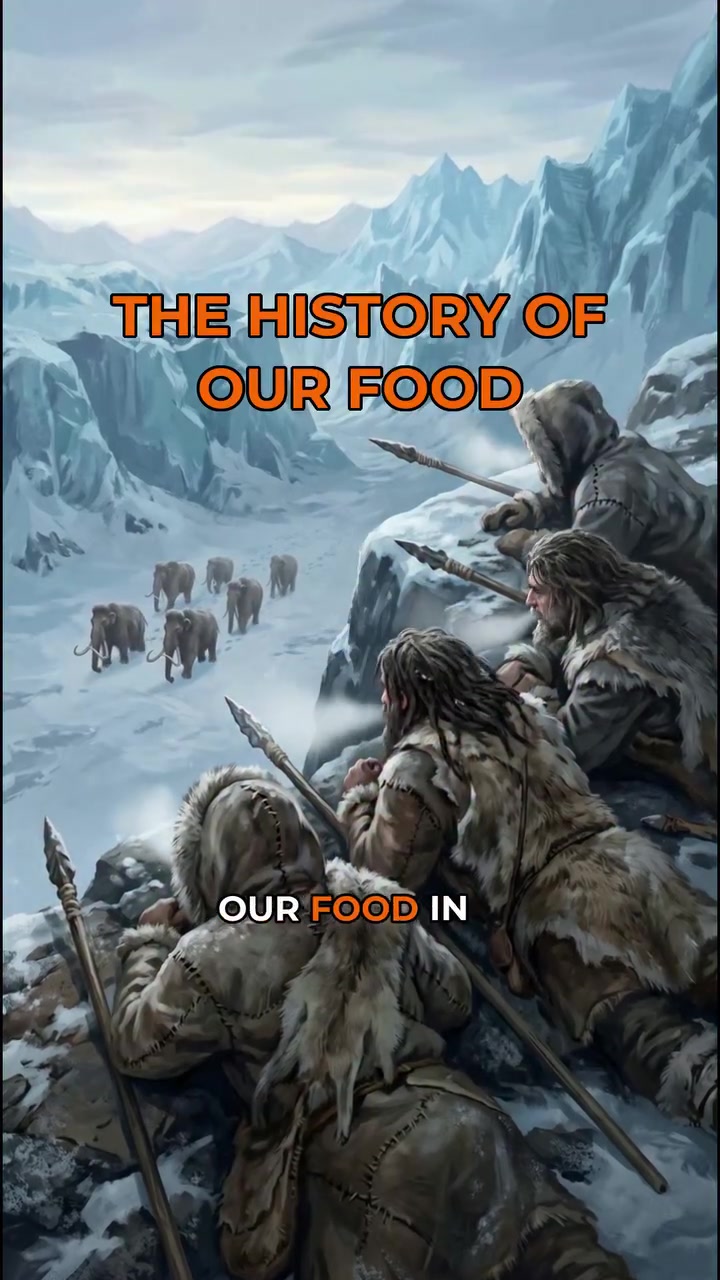
Food has always been a human responsibility, from gathering and hunting to farming. The transition from a world where people hunted and gathered their own food to the modern convenience of supermarkets and processing plants is a stark tale. Around 10,000 years ago, as the narrative goes, humanity transitioned from a hunter-gather lifestyle to agriculture. The era when hunting and gathering were the primary food sources were still our job. Humans hunted and gathered food, and if people wanted to eat, they needed to forage for berries and hunt animals. By 1800, the world entered an era of urbanization. Food was no longer something you had to provide for yourself; instead, you bought it from grocers, markets, and shops. The expansion of cities changed the way people accessed food, altering the dynamic between humans and sustenance. This shift to urban life and the ability to purchase food rather than hunt or grow it indicates a societal transition that contrasts sharply with early human history.
The Food Timeline: From Foraging to Food Vendors
The life of a prehistoric human was a constant quest for sustenance. Whether you were out hunting mammals for meat or gathering nuts, berries, and roots, securing food was a daily mission. This responsibility changed as humans began to farm and produce their own food. However, this shift occurred thousands of years later, around 10,000 years ago. That is when humans began to cultivate crops and tame animals, marking the start of civilization. This brand-new approach to eating was a pivotal moment in history. The transition to urban life brought a dramatic change to how people acquired food. As cities developed around 200 years ago, people no longer had to grow or hunt their food. Instead, food distribution became decentralized, and individuals could buy groceries from markets.
Shifts in Food Production
The Second World War brought about the first widespread industrialization of food. Initially, the goal was to feed soldiers, but the process was later adapted for civilian use. Processed food, which was created to withstand long periods of storage and transport without spoiling, became a staple. Today, supermarkets and frozen foods are a significant part of daily life. This transition highlights the tension between convenience and the quality of nutrition.
Ingredients and their Impact
In today's food landscape, shelf stable ingredients dominate. The industrialization of food has led to the widespread use of preservatives, additives, and chemically processed ingredients. The impact of these ingredients on health is significant. It is not uncommon to wander down supermarket aisles and barely recognize a single product. The ubiquity of seed oils, refined sugar, and additives in modern food has transformed both the taste and nutritional value of what we eat.
The Modern Food Landscape
The modern food industry has drastically altered the way we consume nutrients in our food. Today, we see a food world that fills shelves with products laden with ingredients like refined sugar, seed oils, and preservatives. The use of these ingredients has been a significant shift from the natural, nutrient-rich foods that were once the norm. The modern food landscape is a far cry from our ancestral diets, which were primarily composed of whole, unprocessed foods.
Food Respnonsibility
For the majority of human history, finding and preparing food was a task everyone had to undertake. The shifts noted in the vision data—from a hunting and gathering scene to a family meal—underscore this change. The responsibilities associated with food have undergone profound changes. In the past, food was something people had to source and prepare themselves. Today, it is a commodity readily available in markets and shops.
Today's Food-Making Methods
From the 1950s onwards, the frozen dinner and quick-to-prepare meals became increasingly popular. The convenience of these foods—coupled with preservatives and additives used to extend shelf life—simplified food preparation. However, these same ingredients have been linked to modern health issues.
Food's Modern Shape
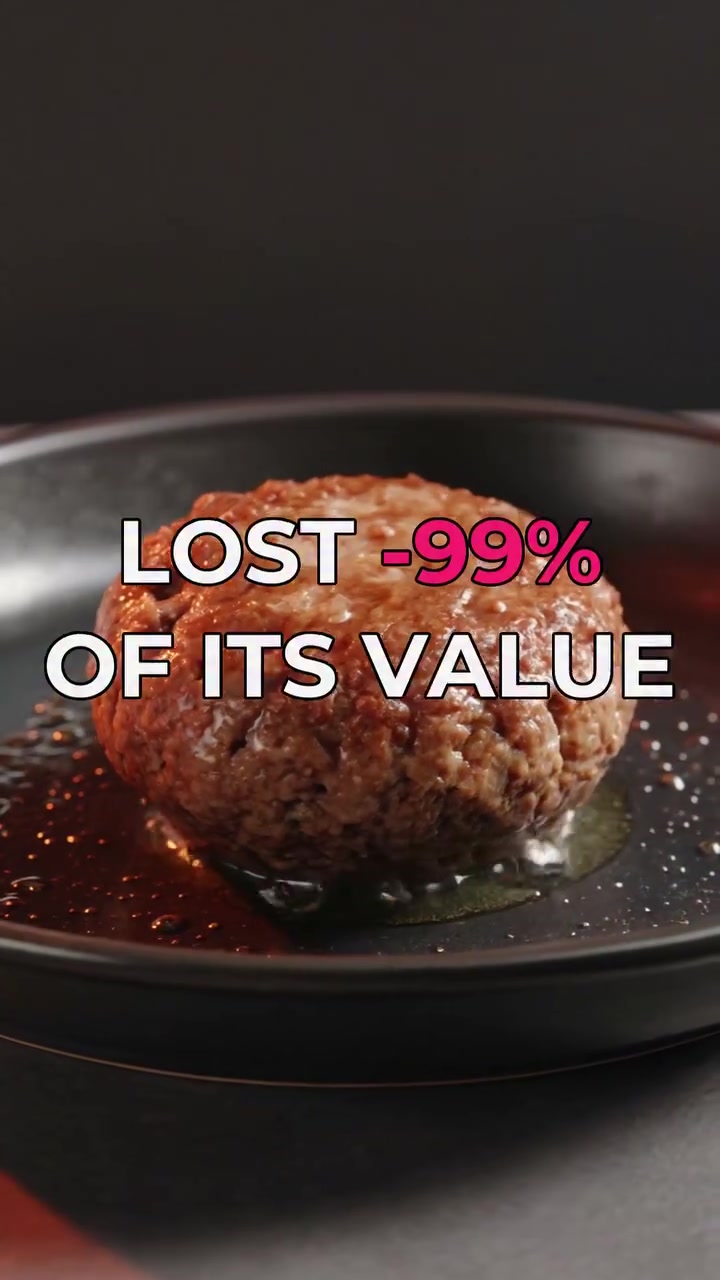
Today's processed food has a distinct look and feel. The supermarkets are filled with packaged goods that often bear little resemblance to the natural ingredients they started with. The evolution of food from natural to processed has been a result of several factors.
Improving Food Choices
A return to our roots may not be practical, but we can start by making conscious choices. Just as urbanization and the advent of the grocery store were pivotal for food provision, so too are our current strategies for eating. Consider these practical tips:
-
- Read Labels: Understand what you are consuming. Products with unpronounceable ingredients pose risks. Opt for items with familiar components; this will aid you in making better nutritional decisions. * Explore Unprocessed: Incorporate more foods that are untreated. Recipe options include chicken, veggies, eggs, and fruits, which provide substantial nutrients.
-
- Cook at Home: When you prepare your own meals, you have better control over the ingredients. This empowers you to manage any nutritional challenges more effectively. A number of recipes can be found online to provide a foundation for cooking fresh ingredients.
-
- Understand Foods: Focus on the items that your ancestors would have consumed. These are generally unprocessed, nutrient-rich options.
The Answer is in our history
The history of food reveals how much ways of eating have changed. Over the years, we have seen the responsibility for food shift from something we had to procure and prepare for ourselves to something readily available in stores. The processed foods of today have moved us away from where we started, but learning about our evolution can help us make better choices.
Questions readers ask
How did the shift from hunting and gathering to agriculture change human society?
The shift from hunting and gathering to agriculture around 10,000 years ago marked the beginning of civilization. It allowed humans to settle in one place, cultivate crops, and tame animals, which led to the development of communities and eventually cities. This change reduced the daily quest for sustenance and allowed for more time to be spent on other activities, like building societies.
What role did World War II play in the evolution of food production?
World War II accelerated the industrialization of food production. Initially, the focus was on feeding soldiers, but the processes developed were later adapted for civilian use. This led to the widespread availability of processed foods, which could be stored and transported easily, changing how people access and consume food.
Why are processed foods so prevalent in today's supermarkets?
Processed foods became prevalent due to their ability to withstand long periods of storage and transport without spoiling. The industrialization of food during and after World War II made these foods a staple in supermarkets. They offer convenience, but they often come with a trade-off in nutritional quality.
What are some of the key ingredients that have transformed modern food?
Ingredients like refined sugar, seed oils, and preservatives are dominant in today's food landscape. These ingredients have altered the taste and nutritional value of our food, making it easier to store and transport but often less nutritious. They are commonly found in processed foods and have a significant impact on health.
How did urbanization change the way people accessed food?
Urbanization around 200 years ago brought about a significant change in how people acquired food. Instead of growing or hunting their own food, people could buy groceries from markets and shops. This decentralization of food distribution marked a societal transition from self-sufficiency to reliance on external food sources.
What are some of the benefits and drawbacks of the modern food industry?
The modern food industry offers convenience and accessibility, with a wide variety of processed foods available in supermarkets. However, the widespread use of preservatives, additives, and chemically processed ingredients has led to a decline in nutritional value. This shift highlights the tension between convenience and the quality of nutrition in today's food landscape.
How does the modern food industry impact our daily lives?
The modern food industry has significantly altered our daily consumption of nutrients. Today's food landscape is filled with products laden with ingredients like refined sugar, seed oils, and preservatives, which have transformed both the taste and nutritional value of what we eat. This change has made food more accessible but has also raised concerns about health and nutrition.
Related deep dives
Similar reads based on topic and creator.




Recent articles
Fresh deep dives from the latest Reels we unpacked.



Comments
Be the first to comment.