A Lost Timeline of Food
You can walk through a supermarket aisle and recognize only a handful of items your great-grandparents would know as food. That's because our food has become increasingly processed — preserved, packaged, and stripped of the nutrients that made it nourishing.
The Four Eras of Food
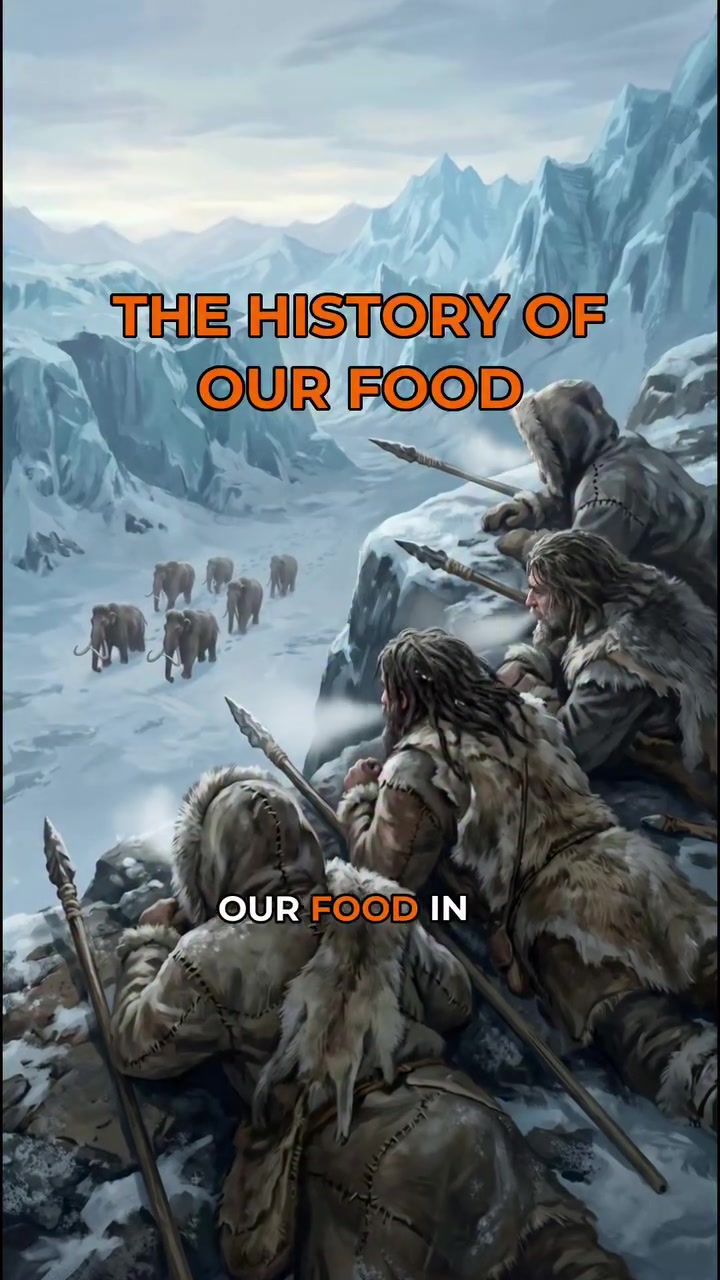
At the start, for hundreds of thousands years, humans hunted and gathered food. Food was a personal responsibility. The only way to get food was to hunt it or grow it, and if you didn't, you went hungry and starved.
The Advent of Agriculture
Then, around 10,000 years ago, humans transitioned from nomadic hunter-gatherers to settled farmers. This shift marked the beginning of a more reliable food supply. But responsibility remained firmly on our shoulders, and if crops failed, we faced hunger. Then, barely two centuries ago, cities emerged, and with them, a big change.
Transformation to Grocery Shopping
For the first time, feeding oneself was no longer a personal job, but a shared responsibility that became the job of the grocers, markets, and shops. It became a service. Food was now something people bought, not something they had to make. But feeding oneself became a distant transaction, seeing food as a product to buy. Faced with spoilage, we engineered food to last, sealing it in tins and adding preservatives. The conveinience of the factory. Food industry now had to make sure it got to your table, lasted, and was safe to eat, leading to engineered food. Food was to last longer, and preservatives and additives made sure this happened at the cost of the nutritional value it once had.
The Factory
Military demand changed everything. These factories then. [The machine built to feed soldiers simply turned to feed everyone else.](transportation and page turned out to be the most effective, cities with grocery stores and markets became popular in making food accessible to everyone). The 1950s ushered in the supermarket, where boxes were built to keep food for years. Convenience became the product, and as a society, we bought it.
The Supermarket and them Two Eras
The 1950s surplus of factory-built food gave rise to the supermarket. The frozen dinner, the box that keeps for years, became symbols of convenience. The contemporary supermarket aisle is a testament to this evolution. Food is engineered to last, but at what cost? We don't recognize a lot of the ingredients in almost everything, and we wonder why we feel the way we do, and why our health is what it is now. Food these days are added with sugar and other ingredients you can't pronounce. You can walk down an entire aisle and barely find one thing your great-grandparents would recognize.
Exploring Ingredients
The ingredients that make food last are often the ones that strip it of its nutritional value. Preservatives and additives keep food fresh for extended periods, but they also strip food of what made it perish. This transformation has had a profound impact on our health. Food is now something we buy, not something we create. We are constantly eating food that are preserved and engineered to last. Sugar and other ingredients dominate the shelves.
What you're eating
The sugar, preservatives, and additives that make food last are the same ones that strip it of its nutritional value. Ancient humans hunted and gathered, and then they farmed. It is only in the past 200 years that we have engineered food to last, at the cost of the nutritional value our ancestors had. The average person can walk down an aisle in a supermarket and barely recognize one thing that their great-grandparents would recognize as food. Great-grandparents were accustomed to a diet that was naturally available, free of additives, and high in nutrients. Engineered foods, on the other hand, are preserved and engineered to last, making them high in preservatives, calories, and sugar but low in natural nutrients.
Recognizing the Real
If you're considering a return to more natural, recognizable food, start by looking at labels. Ingredients you can't pronounce are a red flag. Opt for whole, unprocessed foods whenever possible. This might mean cooking more at home and seeking out local, artisanal producers. It's a shift, but it's one that could significantly improve your health. If you can't recognize an ingredient, it probably has no place in your diet.
The Hidden Ingredients
Food engineering has been profitable, but how healthy is it? Look into ingredients and the impact they have on your health. For centuries, food was a mixture of grains, fruits, and vegetables. Who knew engineers would take over! Food, a few centuries ago, rarely got spoiled—eating food was a responsibility, and if you couldn't put food on the table, you had to live with the consequences. Fast forward to today, your local grocery store is a production line that spits out food that will last for years on a shelf. The food you buy is a product engineered to last, and you buy it. The shift from hunting to farming to hunting and gathering makes for a compelling timeline in food. The history of food is intricate and fascinating, but it's also daunting. Today, the answer might lie in going back to the beginning. The history of how food got to where it is today is applicable to the food we eat now. Walking through a supermarket aisle is filled with a lot of questions: Would your great-grandparents recognize the food? Today, we need to ask: What is food?
Questions readers ask
How did the shift from hunting and gathering to agriculture change our relationship with food?
The shift from hunting and gathering to agriculture around 10,000 years ago marked the beginning of a more reliable food supply. However, the responsibility of growing and maintaining crops still fell on individuals, meaning that if crops failed, people faced hunger. This period saw a transition from a nomadic lifestyle to settled farming communities.
What role did the advent of cities play in changing how we acquire food?
The emergence of cities around two centuries ago brought a significant change in how we acquire food. For the first time, feeding oneself became a shared responsibility, handled by grocers, markets, and shops. This shift transformed food from something we had to make into something we bought, marking the start of food as a commercial transaction.
How did the industrialization of food production impact its nutritional value?
The industrialization of food production, driven initially by military demands, led to the creation of factories that produced food for mass consumption. This shift prioritized convenience and longevity over nutritional value, resulting in food that was engineered to last longer through the use of preservatives and additives, which often stripped it of its original nutrients.
What are some of the key differences between the food our great-grandparents ate and the food we eat today?
The food our great-grandparents ate was primarily fresh and unprocessed, reflecting the natural state of ingredients. In contrast, today's supermarket aisles are filled with highly processed, preserved, and packaged foods that often contain additives and preservatives. Many of these ingredients are unfamiliar and can be detrimental to our health.
How did the introduction of supermarkets in the 1950s change our eating habits and food choices?
The introduction of supermarkets in the 1950s brought convenience to the forefront, with foods engineered to last for extended periods. This shift led to a diet dominated by processed foods, frozen dinners, and items with long shelf lives, often at the cost of nutritional value. Our eating habits have since become heavily influenced by the availability and convenience of these engineered foods.
What are some of the health impacts of the modern food system?
The modern food system, characterized by processed and preserved foods, has had a profound impact on our health. Many of the ingredients in these foods, such as added sugars and preservatives, can contribute to health issues. The convenience of these foods often comes at the expense of nutritional value, leading to a diet that may not support optimal health.
Related deep dives
Similar reads based on topic and creator.




Recent articles
Fresh deep dives from the latest Reels we unpacked.



Comments
Be the first to comment.