Finland's Ranking as the World's Happiest Country
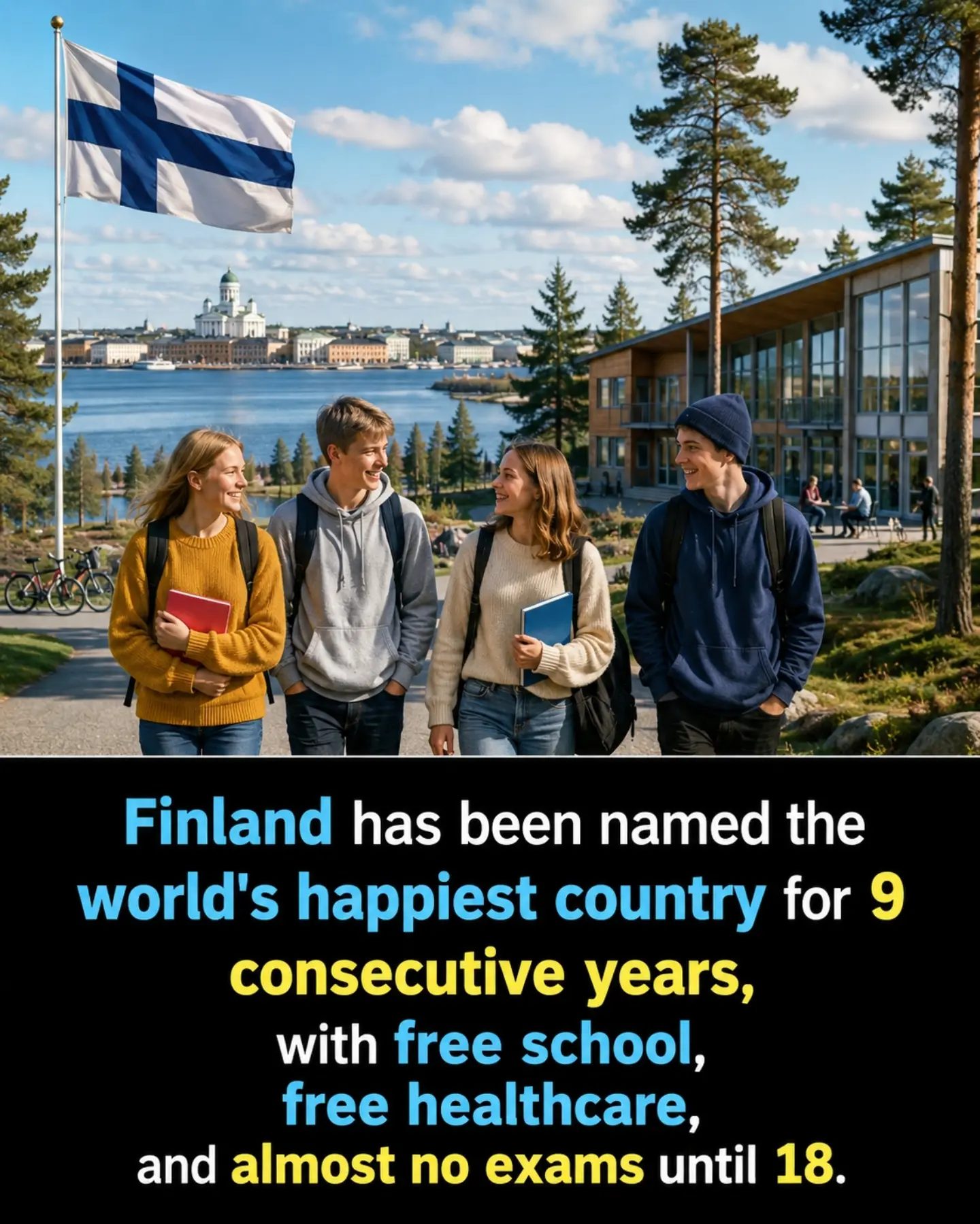
Finland's consistent ranking as the world's happiest country is a testament to its unique social and educational system. For nine consecutive years, Finland has held the top spot in global happiness rankings, thanks to a combination of free education, comprehensive healthcare, and a stress-free academic environment. Let's delve into what makes Finland a beacon of well-being and how these factors contribute to its residents' happiness.
Context / Why This Matters
Understanding Finland's approach to societal well-being can provide valuable insights into creating a more content and productive population. The country's emphasis on community, comprehensive benefits, and quality education serves as a model for other nations striving for similar outcomes. By examining Finland's policies, we can gain practical knowledge on how to foster a happier society.
Main Discussion
Comprehensive Social Benefits
One of the key factors contributing to Finland's happiness ranking is its robust social welfare system. Free healthcare and education are cornerstones of this system, ensuring that all citizens have access to essential services without financial barriers.
Free Healthcare
Finland's healthcare system is renowned for its accessibility and high quality. The country provides universal healthcare, which means that every resident can access medical services regardless of their financial situation. This comprehensive coverage not only reduces stress related to healthcare costs but also ensures that people receive timely medical attention, leading to better overall health and well-being.
Free Education
Education in Finland is free, from primary school through to university. This commitment to education fosters a highly skilled and knowledgeable population. Moreover, the absence of financial burdens allows students to focus on their studies rather than worrying about tuition fees. This educational environment contributes to a more informed and capable citizenry, which in turn enhances the country's overall productivity and innovation.
Stress-Free Education
Finland's educational system is designed to minimize stress, particularly for young students. Unlike many other countries, Finland has almost no exams until the age of 18. This approach allows students to develop at their own pace and reduces the pressure commonly associated with high-stakes testing. By focusing on holistic development, Finland ensures that its students grow into well-rounded individuals prepared for future challenges.
Gradual Approach to Testing
The absence of frequent exams until later in their academic careers allows students to explore their interests and develop essential skills without the constant pressure of performance evaluations. This gradual approach to testing fosters a more relaxed and creative learning environment, where students can focus on acquiring knowledge rather than cramming for exams.
Community and Work-Life Balance
Finland's emphasis on community and work-life balance further contributes to its high happiness ranking. The country encourages a healthy balance between work and personal life, ensuring that individuals have time for leisure and family.
Work-Life Balance
Finland is known for its generous parental leave policies and flexible work hours, which allow parents to spend more time with their children. This balance between work and personal life reduces stress and enhances overall satisfaction. Additionally, the country's emphasis on community and social cohesion creates a supportive environment where individuals can rely on each other for support and camaraderie.
Outdoor Activities and Well-being
Finland's natural environment also plays a significant role in its citizens' well-being. The country's vast forests, lakes, and outdoor spaces provide ample opportunities for recreation and relaxation. Engaging in outdoor activities such as hiking, skiing, and swimming contributes to physical health and mental well-being, further enhancing the overall quality of life.
Practical Tips
If you're looking to incorporate Finland's happiness philosophy into your daily life, here are some practical tips:
Prioritize Physical Health
Invest in a comprehensive healthcare plan to ensure that you and your family have access to medical services when needed. Regular check-ups and timely medical interventions can prevent minor issues from becoming major health problems.
Foster a Stress-Free Learning Environment
If you have children, consider adopting a more stress-free learning approach. Encourage them to explore their interests and develop essential skills without the constant pressure of exams and performance evaluations. Create a supportive environment where they can learn and grow at their own pace.
Embrace Community and Social Cohesion
Building a strong sense of community can enhance your overall well-being. Engage in social activities, join local clubs or groups, and participate in community events. This can provide emotional support and a sense of belonging, which are crucial for mental health.
Maintain Work-Life Balance
Strive for a healthy balance between work and personal life. Take advantage of any flexible work arrangements and ensure that you have time for leisure and family. Engaging in activities that bring you joy and relaxation can greatly improve your overall satisfaction and reduce stress.
Important Takeaways
Finland's ranking as the world's happiest country is a result of several factors, including a robust social welfare system, a stress-free educational environment, and a strong emphasis on community and work-life balance. By prioritizing physical health, fostering a supportive learning environment, and embracing community and social cohesion, individuals can enhance their overall well-being and happiness.
Conclusion
Finland's model of comprehensive social benefits, stress-free education, and community focus offers valuable insights into creating a happier society. By learning from Finland's approach, we can strive to improve our own lives and communities, fostering a more content and productive population.
Questions readers ask
What are the primary factors that contribute to Finland's top ranking in global happiness indexes?
The primary factors include comprehensive social welfare, such as free healthcare and free education, which reduce financial stress. Additionally, Finland's emphasis on community and a stress-free academic environment contribute significantly to its residents' overall well-being.
How does Finland's healthcare system support its residents' happiness?
Finland's healthcare system is a key contributor to its residents' happiness. By providing free and accessible healthcare, Finland ensures that its population can maintain good physical and mental health, which is crucial for overall well-being.
In what ways does Finland's approach to education set it apart from other countries?
Finland’s approach to education sets it apart through its free and inclusive system, which fosters a highly skilled population. The stress-free learning environment also promotes a sense of well-being and reduces anxiety among students and their families.
How does Finland's social welfare system reduce financial stress among its population?
Finland's social welfare system plays a pivotal role in reducing financial stress. This is achieved through comprehensive benefits, including free healthcare and free education. This comprehensive support alleviates financial burdens, allowing residents to focus on personal growth and well-being.
What role does community play in Finland's high global happiness ranking?
Community is a cornerstone of Finland’s high ranking in global happiness indexes. The strong sense of community fosters social connections and mutual support, which are essential for emotional well-being. Finns are known for their trust and willingness to help one another.
How does Finland's top position in global happiness indexes influence other nations?
Finland's consistent top ranking serves as a model for other countries. By showcasing the benefits of comprehensive social welfare, free healthcare, and free education, Finland offers valuable insights into policies that can enhance societal well-being and overall happiness.
What are some key differences between the Finnish and American healthcare systems?
The Finnish healthcare system is primarily funded by taxes and is accessible to all residents, ensuring that everyone can receive free healthcare. In contrast, the American healthcare system relies heavily on private insurance, which can lead to financial stress and barriers to access for some individuals.
Related deep dives
Similar reads based on topic and creator.




Recent articles
Fresh deep dives from the latest Reels we unpacked.




Comments
Be the first to comment.