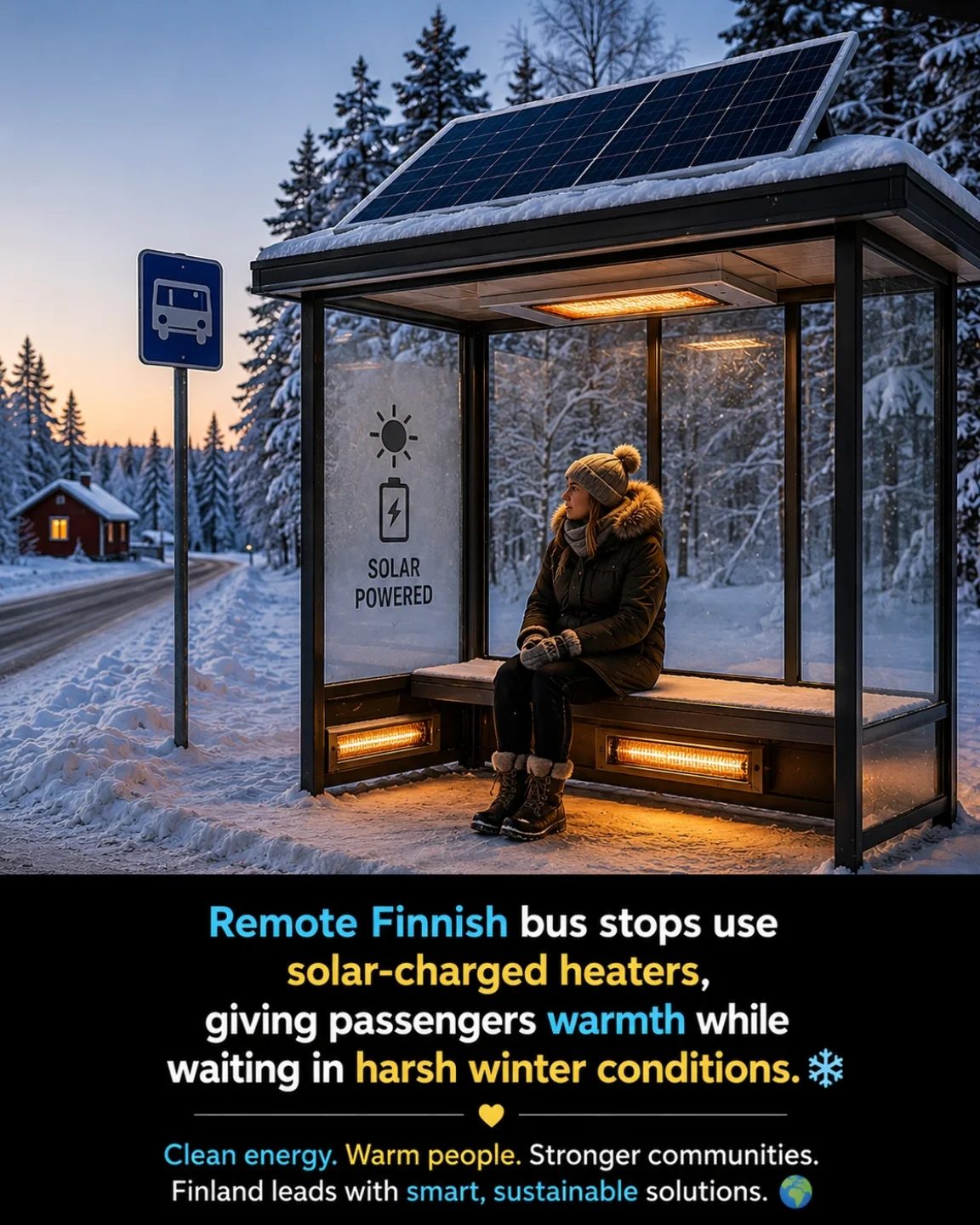
Solar-Powered Bus Stops: Harnessing Clean Energy in Harsh Conditions
Solar-powered bus stops are an innovative solution to providing warmth and comfort to passengers in remote, cold climates. This approach combines clean energy sources with practical, essential amenities in public transportation. By integrating solar panels, these bus stops can generate heat, making them a sustainable and practical option for harsh winter conditions.
Why This Matters
Public transportation is a vital part of daily life, and ensuring the comfort and safety of passengers is paramount. This is especially true in regions with harsh winter conditions, where waiting for a bus can be uncomfortable and even dangerous if not properly heated. Solar-powered bus stops solve this problem by utilizing renewable energy, reducing the carbon footprint, and enhancing passenger experience. These technologies serve as a model for how sustainable solutions can improve essential services in challenging environments.
Main Discussion
The Role of Solar Panels
Solar panels are the backbone of these innovative bus stops, converting sunlight into electricity. These panels are typically installed on the roof of the bus stop, maximizing sunlight exposure. The generated electricity is then used to power radiant heaters along the benches, providing consistent warmth for passengers.
Heating Solutions
The radiant heaters are designed to provide efficient and comfortable heating. They are often placed beneath the seating areas, ensuring that passengers are kept warm without direct exposure to heating elements. This setup not only enhances comfort but also ensures safety, particularly in environments where people of all ages, including children and the elderly, may be waiting for their bus.
Environmental Impact
By relying on solar energy, these bus stops significantly reduce their dependence on fossil fuels. This shift towards renewable energy is a crucial step in mitigating climate change and promoting environmental sustainability. The long-term benefits include reduced greenhouse gas emissions and a lower carbon footprint, contributing to a cleaner, healthier environment.
Community and Economic Benefits
Implementing solar-powered bus stops also brings economic benefits. It creates jobs in the renewable energy sector and stimulates innovation in sustainable technologies. Additionally, it fosters a sense of community, as residents see tangible improvements in public services that are driven by clean energy initiatives.
Practical Tips
For anyone considering similar projects, here are some practical steps:
Conduct a Feasibility Study
Before implementing solar-powered bus stops, conduct a thorough feasibility study. This should include assessing the region's solar potential, understanding the heating requirements, and evaluating the cost-effectiveness of the project.
Engage with the Community
Engage with local communities to understand their needs and garner support. Public involvement can ensure that the project meets the community's expectations and addresses any concerns they may have.
Use High-Quality Equipment
Invest in high-quality solar panels and heating equipment. This ensures longevity and efficiency, reducing the need for frequent maintenance and replacements.
Integrate Smart Technology
Consider integrating smart technology to optimize energy usage. Smart sensors and controls can manage heating levels based on real-time data, ensuring that energy is used efficiently and effectively.
Important Takeaways
Solar-powered bus stops represent a significant step forward in the integration of sustainable solutions in public transportation. These systems not only provide essential amenities but also contribute to environmental sustainability and community well-being. By harnessing the power of the sun, these bus stops offer a model for how we can meet our daily needs while reducing our environmental impact.
Conclusion
In conclusion, solar-powered bus stops in Finland are a testament to the possibilities of clean energy in public infrastructure. By providing warmth and comfort through sustainable means, these bus stops enhance the quality of life for passengers and promote a greener future. This innovative approach highlights the potential of solar power in addressing practical challenges, making it a valuable model for other regions facing similar issues.
Questions readers ask
How do solar-powered bus stops in Finland generate heat?
Solar-powered bus stops in Finland are equipped with solar panels that convert sunlight into electrical energy. This energy is then used to power heating systems within the bus stops, providing a warm and comfortable environment for passengers during cold winter months.
What are the benefits of using solar energy for bus stops in remote, cold climates?
Solar energy offers a sustainable and efficient way to power heating systems in remote bus stops. It reduces reliance on traditional energy sources, lowers operational costs, and ensures that passengers have a safe and comfortable place to wait, even in harsh winter conditions.
How do solar-powered bus stops contribute to passenger safety in winter?
By providing a heated shelter, solar-powered bus stops protect passengers from extreme cold, reducing the risk of hypothermia and other cold-related health issues. This is particularly important in remote areas where emergency services may be far away.
What are some design features of solar-powered bus stops in Finland?
Solar-powered bus stops in Finland are designed with large solar panels integrated into the roof or sides of the structure. These designs maximize sunlight exposure. Additionally, the stops are insulated to retain heat and often include seating, lighting, and information displays for passenger comfort and convenience.
Can solar-powered bus stops operate efficiently in Finland's winter conditions?
Yes, solar-powered bus stops can operate efficiently in Finland's winter conditions. While sunlight may be limited, the structures are designed to make the most of available light. Additionally, the heating systems are optimized to retain heat, ensuring consistent warmth for passengers.
What role do solar-powered bus stops play in sustainable transportation?
Solar-powered bus stops align with sustainable transportation initiatives by integrating clean energy sources into public infrastructure. They reduce reliance on fossil fuels and promote the use of renewable energy, contributing to a greener and more environmentally friendly public transportation system.
How do solar-powered bus stops benefit local communities in remote areas?
In remote areas, solar-powered bus stops enhance community well-being by providing a reliable and safe space for passengers. This encourages the use of public transportation, fosters a sense of security, and promotes social interaction, thereby strengthening community bonds.
Recent articles
Fresh deep dives from the latest Reels we unpacked.




Comments
Be the first to comment.