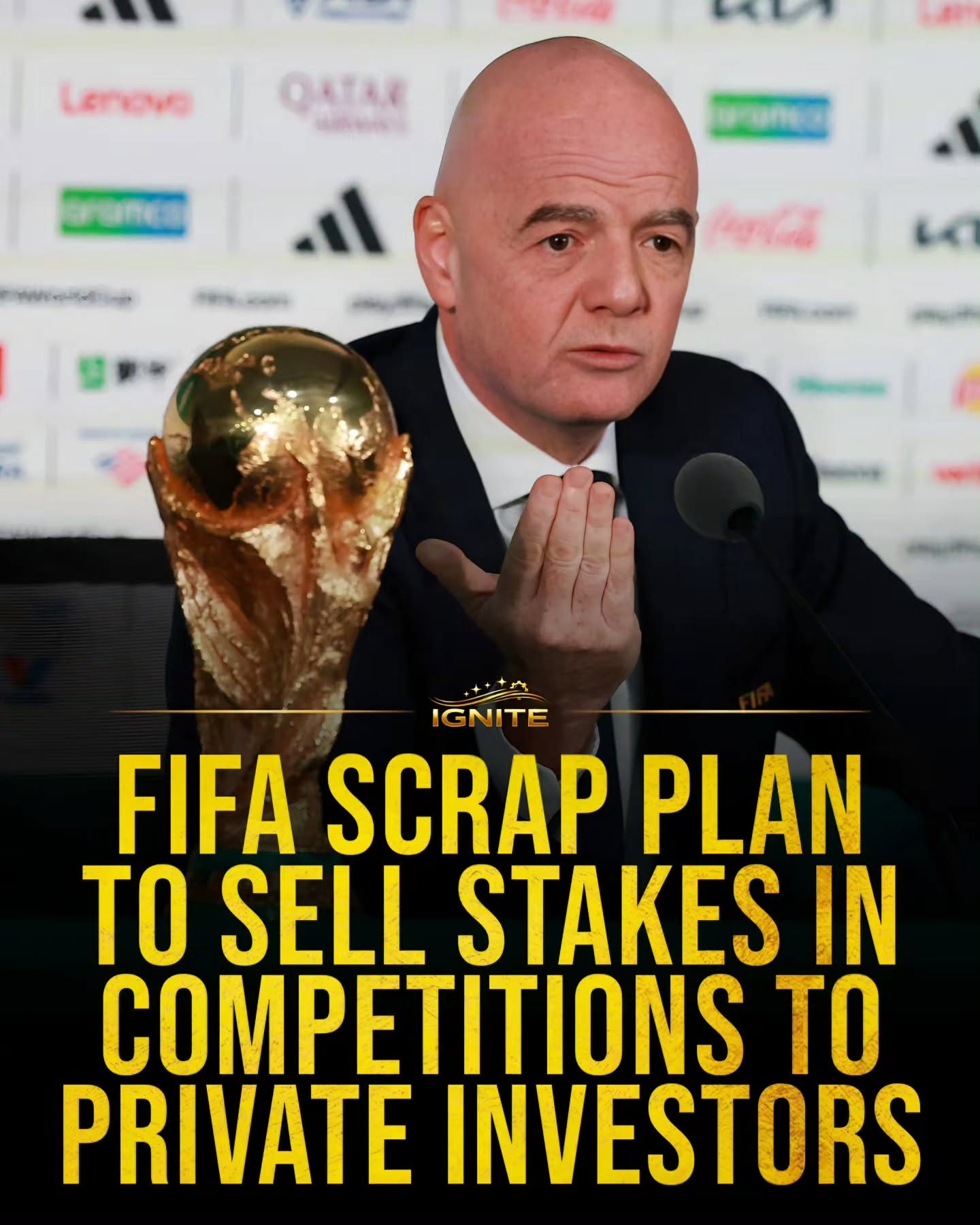
FIFA Scraps Plan to Sell Stakes in Competitions
FIFA, the global governing body of football, has announced a significant shift in its strategic plans. Reports indicate that FIFA is abandoning a proposal to sell stakes in its competitions to private investors. This decision comes as a surprise to many, given the potential financial benefits that such a move could have brought. Let's delve into the context and implications of this development.
Why This Matters
The decision to scrap the plan to sell stakes in competitions highlights the complex financial and strategic considerations that organizations like FIFA must navigate. The move has significant implications for the future of football governance, sponsorship, and revenue distribution. Understanding the context behind this decision provides valuable insights into the broader landscape of sports management and competition.
The Proposed Sale and Its Implications
The Initial Plan
FIFA's initial plan involved selling stakes in its major competitions to private investors. This would have allowed external parties to own a portion of the rights to major tournaments, including the World Cup. The idea was to generate substantial revenue that could be used to enhance the sport globally.
Reasons for Scrapping the Plan
The decision to abandon this plan is likely rooted in several factors. First, there are concerns about the potential loss of control over the sport. Allowing private investors to have a stake in competitions could lead to conflicts of interest and influence over decision-making processes. Additionally, FIFA may have faced regulatory and legal challenges, making the implementation of such a plan difficult.
Financial Considerations
While the sale of stakes could have provided a significant financial boost, it also carries risks. Private investors would likely demand a return on their investment, which could pressure FIFA to prioritize financial gains over sporting integrity. Furthermore, the influx of private capital could disrupt the existing balance of power within the football ecosystem, potentially leading to inequities in resource distribution.
Public and Sponsor Reactions
The backdrop of various sponsor logos, including Lenovo, Qatar, and Coca-Cola, suggests that sponsors play a crucial role in the decision-making process. These sponsors have a vested interest in the success and integrity of FIFA competitions. Their continued support is essential for the organization's financial stability. Public reaction to the news has also been mixed, with some supporters expressing relief at the decision to maintain control over the sport, while others question the long-term financial implications.
Practical Tips for Sports Organizations
For sports organizations considering similar steps, the following tips can help navigate the complexities of financial and strategic decisions:
Assess Long-Term Impacts
Before making significant changes, it's crucial to conduct a thorough assessment of the long-term impacts. This includes evaluating potential risks and benefits, considering both financial and non-financial factors.
Engage with Stakeholders
Engaging with stakeholders, including sponsors, fans, and regulatory bodies, is essential. Their input can provide valuable insights and help ensure that decisions align with the broader interests of the sport.
Maintain Integrity
Preserving the integrity of the sport is paramount. Financial considerations should not overshadow the values and principles that underpin the competition. Maintaining a balance between financial sustainability and sporting integrity is key.
Important Takeaways
Control and Governance
The decision to scrap the plan underscores the importance of control and governance in sports organizations. Maintaining control over decision-making processes ensures that the sport's values and principles are upheld.
Financial Sustainability
While financial considerations are crucial, they must be balanced with the long-term goals of the sport. Ensuring financial sustainability without compromising on integrity is a challenging but necessary task.
Stakeholder Engagement
Engaging with stakeholders, including sponsors and fans, is essential for making informed decisions. Their support and input can help navigate the complexities of strategic changes.
Conclusion
FIFA's decision to scrap the plan to sell stakes in competitions represents a significant shift in its strategic direction. The move highlights the importance of control, governance, and stakeholder engagement in sports management. As FIFA continues to navigate the complexities of the football landscape, the lessons learned from this decision will undoubtedly shape its future strategies.
Questions readers ask
What prompted FIFA to abandon its plan to sell stakes in its competitions?
FIFA's decision to scrap the plan was likely driven by a combination of financial, strategic, and ethical considerations. The governing body may have reevaluated the potential risks and long-term implications of involving private investors in its competitions, which could have affected the integrity of the sport and FIFA’s governance model.
How might private investors have influenced football governance if the plan had gone through?
Private investors could potentially have had a substantial say in decision-making processes, affecting the way competitions are organized and managed. This might have led to changes in how revenue is distributed among member associations and could have altered the overall governance structure of FIFA.
What are the potential financial implications of FIFA's decision for the sport of football?
By abandoning the plan, FIFA forgoes a significant source of immediate financial gain, potentially impacting its ability to invest in various aspects of the sport. However, this decision might also allow FIFA to maintain more control over its revenue streams and ensure that profits are reinvested in ways that benefit the football community as a whole.
What does this decision mean for the future of FIFA's revenue distribution?
FIFA’s decision to keep its competition stakes in-house might lead to a more traditional model of revenue distribution, where profits are shared among member associations and invested in football development projects. This ensures that the financial benefits of football competitions continue to support the sport at all levels, from grassroots to elite competitions.
How might this shift affect the FIFA World Cup and other major tournaments?
The FIFA World Cup and other major tournaments may see fewer immediate changes, as the core structure and organization of these events are well-established. However, the decision to keep stakes in-house could lead to innovations in how these competitions are financed and managed, potentially enhancing their long-term sustainability and impact.
Related deep dives
Similar reads based on topic and creator.




Recent articles
Fresh deep dives from the latest Reels we unpacked.




Comments
Be the first to comment.