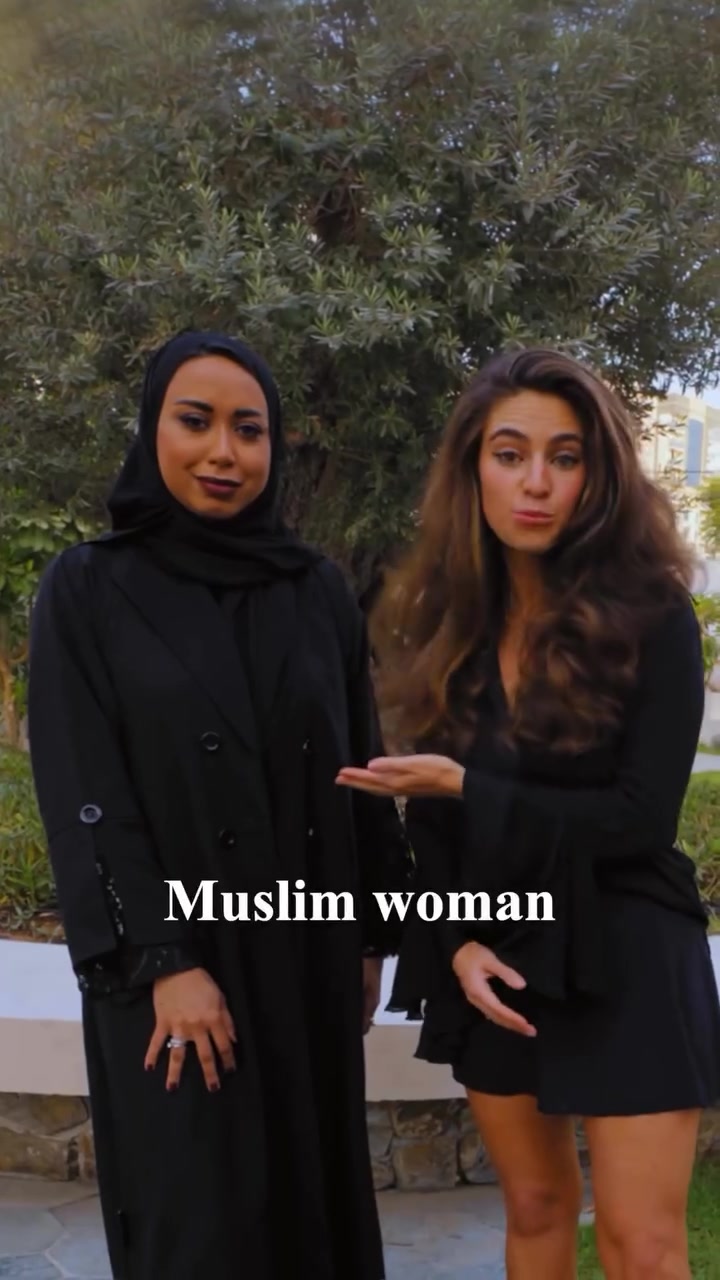
A Bahrain-born woman's curiosity about Jews brought her to Israel and became a world-travelling advocate for peace. But Fatima Al-Harbi's travels didn't just challenge her own biases, her efforts to bridge longstanding divides faced backlash. Today, she insists on "seeing humanity" and proactively building relationships.
The Bridge Builder
Fatima Al-Harbi's upbringing in Bahrain was marked by a narrative of hatred towards Jews. As she grew older, this narrative blossomed into outright hatred towards Jewish people. One day, leaders from the UAE and Bahrain presented her with a trip to Israel. The invitation invoked a sense of curiosity. She felt drawn to Israel and decided to take the risk. Acting on a curiosity, her trip proved transformative. What changed Fatima's perspective about Jews? As she embarked on this journey, she encountered a revelation. She met and bonded with people of different faiths who lived together - Jews, Christians, and Muslims. “They lived together, worked together. They invited her to their home. They didn't hate me. In fact, we were similar. So many Jews were from Arab countries and so many Israelis were Muslim.” She felt welcomed, treated with kindness, and saw no signs of animosity or hatred. This was a stark departure from her pre-existing notion. Fatima established friendships with everyone she met on her journey. These encounters brought diverse people together while creating a foundation for change. Al-Harbi's journey began with a desire to see the real story, unexposed for too long. She unintentionally sponsored a new vision of peace in the Middle East. Previously foreign concepts of shared coexistence changed her viewpoint and inspired her to engage in peace-building.
In Strangers, We Find Common Ground
Fatima Al-Harbi's story in the Middle East correlates with larger issues of bias and misconception. It can take a single trip to a foreign country to reveal these misconceptions. Fatima’s journey is part of a wider trend in breaking stereotypes. In many parts of the world, people have realized that letting go of pre-established biases and misconceptions can help foster peace and harmony.
A Taste of Arabia
While visiting Israel and Bahrain Fatima Al-Harbi embarked on a journey of unexpected revelations.
The Middle East Convergence
Being introduced to the Middle Eastern reality transformed her. The situation across Israel and the Middle East was different from anything she previously thought. She travelled between UAE, Bahrain, and Israel and noticed many Muslims and Jews residing in these places happily. “They lived together, worked together.” On this trip, she witnessed an Arabia she did not expect to see. Jew and Muslim coexisted. People were not as hateful as they were portrayed to be, and most importantly, they shared similar values and backgrounds.
A Trans-region Travelogue
Fatima Al-Harbi recounted her travels across Israel and Bahrain. She interacted with many individuals whose lives were similar to hers. The people were friendly and welcomed her. UAE played a significant role in this. Its vision and attitude towards peace between nations — and consequently contributing to a changing Middle East — are worth noting.
Family Ties
Close Encounters
An insightful portion of this entire journey and Fatima's story revolve around their family reunion. The setting of a home offers an intimate feel and context for this narrative. Without this, the narrative of Fatima’s journey may lack human touch and relatability. She ventured away from expectations and biases and met people who were more than willing to welcome her. An encounter with a friendliness is a crucial juncture in this journey.
Daring to Believe
By challenging the notion of hatred, Fatima Al-Harbi helps us all see the value in taking risks. “She will not let hate and threats overshadow the cause for peace. Her story is not just a call for peace but also a testament to how crucial individual efforts are. Fatima's determination to connect with unfamiliar people and see the humanity in them is a wake-up call to accept the everyday opportunities to make a difference happening around us.
Advocating Humans
Her message of peace focuses on humanizing those we think of as "other." She encourages people to step out of their comfort zones and interact with people of different faiths and cultures. She thinks that by seeing the human in everyone, we can ease global divisions. Fatima Al-Harbi highlights that taking risks, and reaching out, to people who seem unfamiliar or different can enrich lives. Her narrative serves as a testament to the transformative power of a simple trip abroad.
Questions readers ask
What initially sparked Fatima Al-Harbi's interest in visiting Israel, given her upbringing?
Fatima Al-Harbi's curiosity was piqued when leaders from the UAE and Bahrain offered her a trip to Israel. Despite her initial hatred towards Jews, the invitation stirred a sense of intrigue, prompting her to take the risk and embark on a journey that would ultimately transform her perspective.
How did Fatima Al-Harbi's experiences in Israel challenge her preconceived notions about Jews?
During her visit, Fatima met and bonded with people of different faiths who lived and worked together harmoniously. This starkly contrasted her previous beliefs, as she found that Jews and Muslims in the region shared similar values and backgrounds, and treated her with kindness and hospitality.
What role did the UAE play in Fatima Al-Harbi's journey towards peace advocacy?
The UAE played a significant role in Fatima's journey by offering her the opportunity to visit Israel. The country's vision and attitude towards fostering peace between nations contributed to a changing Middle East, and inspired Fatima to become a global advocate for peace.
How has Fatima Al-Harbi's advocacy work been received, and what challenges has she faced?
Fatima's efforts to bridge divides have faced backlash, but she remains steadfast in her mission. Her work involves proactively building relationships and insisting on seeing humanity in everyone, which has inspired many but also attracted criticism from those opposed to her message of peace and coexistence.
What is the broader significance of Fatima Al-Harbi's story in the context of Middle East relations?
Fatima's journey highlights the power of personal experiences in challenging biases and misconceptions. Her story is part of a wider trend in breaking stereotypes and fostering peace and harmony in the Middle East, demonstrating that letting go of pre-established notions can lead to greater understanding and cooperation.
Recent articles
Fresh deep dives from the latest Reels we unpacked.




Comments
Be the first to comment.