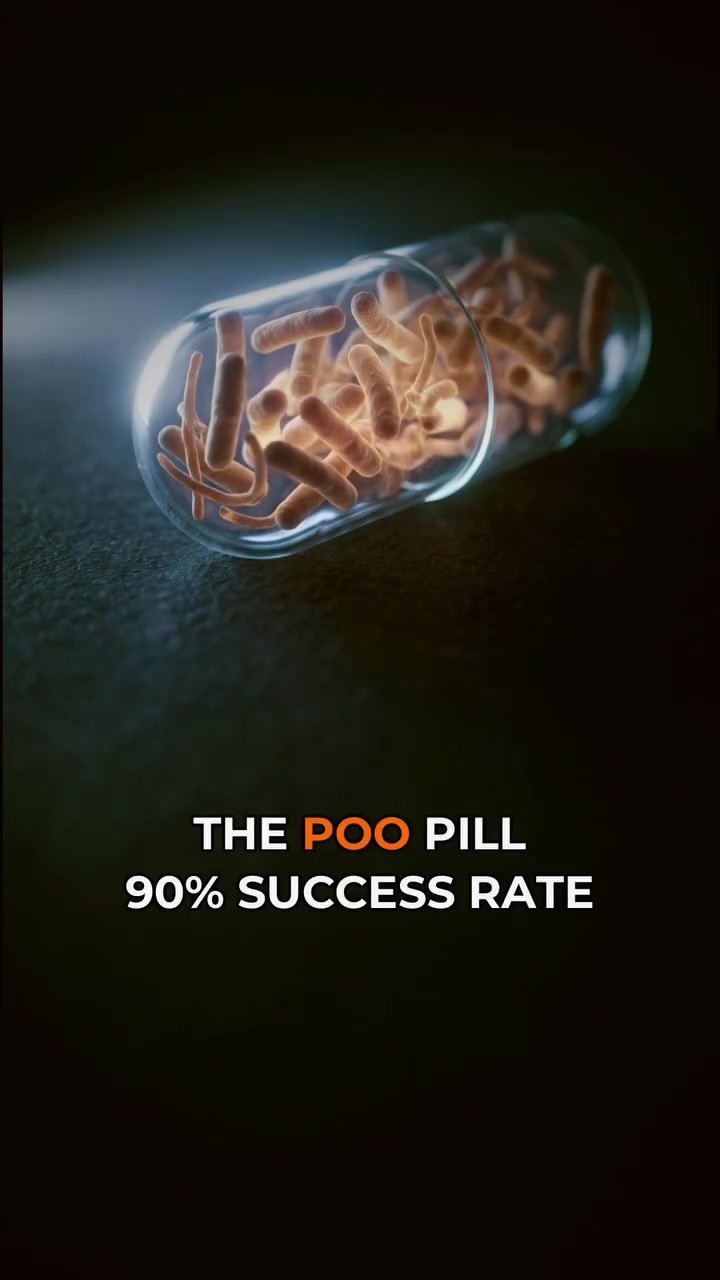
The "poo pill" is exactly what it sounds like: a medicine made of human feces. But this isn't a joke, it's a clinical treatment that, in clinical trials published in The Lancet, worked "90% of the time". The fecal microbiota transplant (FMT) has been successfully used to prevent a return of C. difficile infection following antibiotic treatment. Inside your gut are roughly 39 trillion bacteria, one for every human cell, protecting the body from disease. When you take antibiotics, these bacteria are also destroyed, leaving the gut vulnerable. To correct this, doctors use the "poo pill".
What Is FMT?
FMT is a biological product derived from stool. The product was formerly known as the “poo pill” but its proper medical term is fecal microbiota transplant. Some of the ingredients of the fecal pill include important bacteria like butyrate, bile acids, and others. They play a role in maintaining gut health. It is exclusively used to treat recurring C. difficile infections, a type of bacterial infection that causes inflammation of the colon. Approximately 15,000 cases of C. difficile occur in the U.S. annually. C. difficile spores can lie dormant in the gut and often break loose following antibiotic treatment. FMT repopulates the gut with healthy bacteria, keeping the spores inactive and preventing future infections. The creation of the pill requires a donor who has been screened, often at America's largest stool. Fewer than 3% of applicants pass. The donor bacteria do not replace the recipient's own bacteria. Instead, they share the gut, providing more defense bacteria. Doctors try to give the patient's gut back its defenses. These do not replace yours. The bacteria move in alongside them.
Why FMT Matters
More than ever, we are aware of antibiotic resistance and the rise of superbugs. Studies show that antibiotics cannot differentiate between infection causing bacteria and defensive bacteria that are vital for the protection of your gut. Antibiotics can wipe out both. Forging a new gut health system to get around the overuse of antibiotics is a positive step. While antibiotics can be essential for treating infections, antibiotics also leave your body vulnerable to new infections by disrupting the healthy bacteria in your gut. FMT is a specific treatment option for individuals who have experienced multiple C. difficile infections. It aims to restablish a healthy balance of bacteria in the gut, thereby preventing further recurrences.
Precise Screening
The process of screening for donors for the pills is rigorous. At America's largest stool bank, fewer than 3% of applicants pass the screening. This screening ensures that donors are healthy and have the right mix of gut bacteria. It provides the bacterial support you need and also prevents the spread of diseases. As an analogy, the donors are like a library where only a few books (donors) qualify for loan. The collection of books represents the gut bacteria.
The Bacteria Connection
The gut's healthy bacteria do more than just occupy space. They are vital to your defense, making butyrate and converting bile acids. When antibiotics wipe out everything they can disrupt these functions. The fuel made by bacteria, butyrate, burns to keep the lining of the gut starved of oxygen to prevent diseases. However, antibiotics disrupt the production of butyrate which leaves your gut exposed.
The FMT Procedure
The FMT process starts with antibiotics being administered to clear the recipient's gut of harmful bacteria. After antibiotics are given, stool from a screened donor is used to repopulate the gut. This stool contains bacteria that can replace the good bacteria lost during the antibiotic treatment. The recipient swallows the pills which are then broken down, allowing the bacteria to enter. The bacteria from the donor do not replace the recipient's own bacteria but rather coexist. The bacteria from the donor do not replace the recipient's own bacteria but rather coexist, making a beneficial dual bacterial. Fewer than 3% of applicants pass the donor screening at America's largest stool bank. This screening ensures that the recipient does not get any harmful bacteria. Use of the pill restores the defense system helping the gut thrive. FMT is a targeted procedure. The capsule or pills are taken either orally or via enema.
Practical Guidelines
If you or a loved one are facing recurring C. difficile infections, consider the following steps: Consult: With a gastroenterologist experienced in FMT. While many doctors may be familiar with C. difficile, not all may be up-to-date on FMT. Diet and lifestyle: Take your medicine at the best possible time to avoid side effects that can come from the pills. Also, keeping a balanced lifestyle and good sleep can help your body make the most of the treatment. Monitor: Any changes in bowel movements or overall health. Follow-Up: Attend scheduled follow-up appointments to monitor progress.
A Final Look
FMT is not for casual gut health. The procedure is not without risks, and its effectiveness varies. The pill could only replace some of the bacteria in your gut. Antibiotics are essential for treating infections, but the overuse of antibiotics can lead to a superbug crisis. FMT can be a game-changer for those suffering from recurring C. difficile infections.
Questions readers ask
How does the 'poo pill' exactly fight C. difficile infections?
The 'poo pill', or fecal microbiota transplant (FMT), works by repopulating the gut with healthy bacteria from a donor. This helps to keep C. difficile spores inactive, preventing future infections. The bacteria in the pill produce substances like butyrate and convert bile acids, which are crucial for maintaining gut health and defending against infections.
Can anyone donate their stool for FMT?
No, the screening process is very rigorous. At America's largest stool bank, fewer than 3% of applicants pass the screening. Donors need to be healthy and have the right mix of gut bacteria to ensure the best results and prevent the spread of diseases.
What happens to the recipient's own gut bacteria after an FMT?
The bacteria from the donor do not replace the recipient's own bacteria. Instead, they coexist in the gut, providing more defense bacteria. The goal is to restore the gut's defenses without eliminating the recipient's existing bacteria.
How effective is FMT in treating C. difficile infections?
FMT has shown a more than 90% success rate in fighting life-threatening C. difficile infections. Clinical trials published in *The Lancet* have demonstrated its effectiveness in preventing the return of infections following antibiotic treatment.
Can FMT be used to treat other conditions besides C. difficile infections?
Currently, FMT is exclusively used to treat recurring C. difficile infections. While there is ongoing research into other potential uses, such as treating inflammatory bowel disease or obesity, it is not yet approved for these conditions.
Related deep dives
Similar reads based on topic and creator.




Recent articles
Fresh deep dives from the latest Reels we unpacked.



Comments
Be the first to comment.