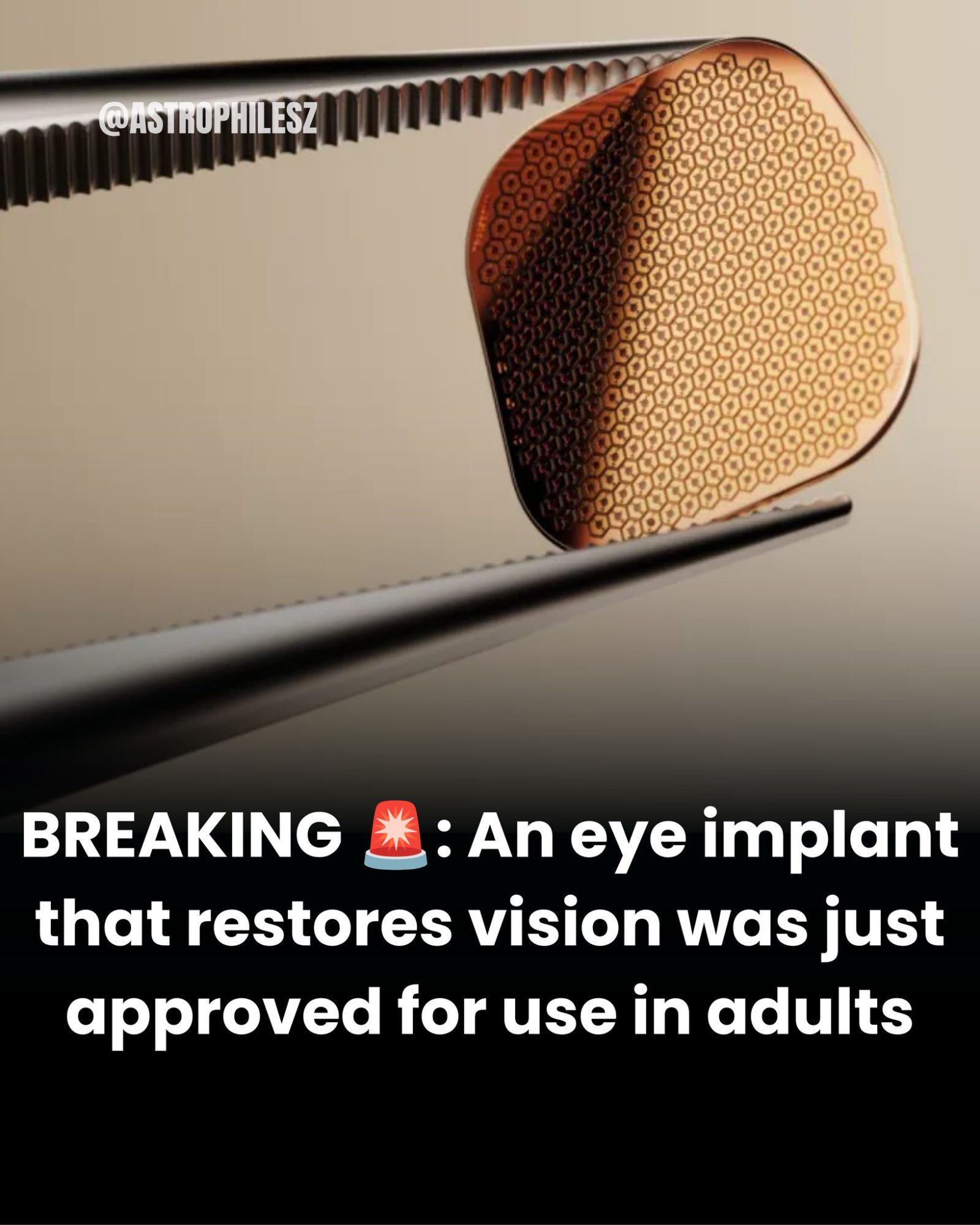
Eye Implants: A New Era in Vision Restoration
The PRIMA implant, a cutting-edge medical device developed by Science Corporation, has recently gained approval from European regulators for treating advanced geographic atrophy, the most severe form of age-related macular degeneration. This approval marks a significant milestone in the field of ophthalmology, offering hope to millions of people worldwide suffering from irreversible vision loss.
Understanding Geographic Atrophy
Geographic atrophy is a late-stage form of age-related macular degeneration (AMD), a progressive eye condition that affects the macula, the central part of the retina responsible for sharp, central vision. This condition is characterized by the degeneration of photoreceptor cells, leading to a gradual loss of visual acuity and, in severe cases, complete central vision loss. Geographic atrophy is particularly devastating as it currently has no cure, with existing treatments only able to slow its progression.
The Global Impact
Age-related macular degeneration is a leading cause of irreversible vision loss in older adults, affecting more than 5 million people globally. The condition significantly impacts daily activities, making tasks such as reading, recognizing faces, and navigating environments challenging or impossible. The approval of the PRIMA implant represents a major breakthrough in addressing this highly prevalent and debilitating condition.
How the PRIMA Implant Works
The PRIMA implant operates on a principle similar to that of a cochlear implant but is specifically designed for visual restoration. The device consists of a tiny 2x2 millimeter wireless chip that is surgically placed under the retina. This chip replaces the photoreceptor cells destroyed by geographic atrophy, effectively restoring the eye's ability to transmit visual information to the brain.
The Procedure
The surgical procedure involves implanting the chip under the retina. Special glasses equipped with a built-in camera capture images from the patient's environment and transmit them to the implant using invisible infrared light. The implant then converts these light signals into electrical pulses, which stimulate the remaining healthy cells in the eye. This process restores the flow of visual information to the brain, allowing patients to regain functional vision.
Clinical Results
Clinical trials published in the New England Journal of Medicine have shown promising results. In a study involving 38 patients, 81% of those who completed 12 months of follow-up demonstrated a clinically meaningful improvement in visual acuity. Notably, one participant experienced a significant improvement of 10 full lines on an eye chart. Patients also reported regaining the ability to read and recognize faces, tasks that were previously impossible due to their condition. These results underscore the implant's potential to restore vision, rather than just slow its deterioration.
Practical Considerations
While the PRIMA implant offers a groundbreaking solution, it is essential to understand its current limitations and future prospects.
Regulatory Approval
It is crucial to note that the approval is currently limited to European regulators. The PRIMA implant has not yet received clearance from the US Food and Drug Administration (FDA). CEO Max Hodak has indicated that US approval is not anticipated before 2028. This geographic limitation means that while patients in Europe may soon benefit from this technology, those in other regions, including the United States, will need to wait longer.
Treatment Scope
The PRIMA implant is specifically designed to treat advanced geographic atrophy and is not a universal solution for all types of blindness. It addresses a specific condition rather than offering a broad cure for all forms of vision loss. This specificity is important for setting realistic expectations and understanding the implant's targeted application.
Important Takeaways
The approval of the PRIMA implant represents a significant advancement in the treatment of geographic atrophy. Here are the key takeaways:
- The PRIMA implant is the first treatment shown to restore vision in patients with advanced geographic atrophy, a condition previously thought to be irreversible.
- The device works by replacing destroyed photoreceptor cells with a wireless chip that converts light signals into electrical pulses, stimulating the remaining healthy cells in the eye.
- Clinical trials have demonstrated significant improvements in visual acuity and functional vision for patients.
- The implant is currently approved for use in Europe, with US approval not expected before 2028.
- The treatment is specifically targeted at geographic atrophy and does not apply to all forms of blindness.
Conclusion
The PRIMA implant's approval for treating advanced geographic atrophy marks a transformative moment in ophthalmology. This innovative device offers hope to millions of people affected by age-related macular degeneration, providing a pathway to restored vision where previously there was none. As research and development continue, the potential for broader applications and wider approvals may bring this life-changing technology to even more patients in need. The future of vision restoration looks brighter than ever with advancements like the PRIMA implant.
Questions readers ask
What is the PRIMA implant and what conditions does it treat?
The PRIMA implant is a advanced medical device developed by Pixium Vision. It is specifically designed to treat advanced geographic atrophy, a severe form of age-related macular degeneration, by replicating the function of damaged photoreceptor cells, thereby restoring vision.
How does the PRIMA implant work to restore vision?
The PRIMA implant functions by replicating the role of damaged photoreceptor cells. It is a sub-retinal implant that converts light into electrical signals, which are then transmitted to the brain, allowing individuals to regain some level of vision.
Who is eligible for the PRIMA eye implant?
The PRIMA implant is primarily intended for individuals suffering from advanced geographic atrophy, the most severe form of age-related macular degeneration. Eligibility would be determined by an ophthalmologist based on the patient's specific condition and medical history.
What makes the PRIMA implant a significant development in the field of ophthalmology?
The PRIMA implant represents a significant advancement because it offers a new treatment option for people with advanced geographic atrophy, a condition previously considered irreversible. Its approval provides hope for millions of individuals experiencing severe vision loss.
What is geographic atrophy, and how is it related to age-related macular degeneration?
Geographic atrophy is a late-stage form of age-related macular degeneration, a progressive eye condition that affects the macula, the central part of the retina. It is characterized by the degeneration of photoreceptor cells, leading to a gradual loss of central vision. The PRIMA implant targets this specific condition to help restore vision.
What are the potential benefits of the PRIMA implant for patients with advanced macular degeneration?
The PRIMA implant can potentially improve the quality of life for patients by restoring some degree of vision. This can help with daily tasks such as reading, recognizing faces, and navigating environments, which are significantly impacted by advanced macular degeneration.
What is the significance of the European approval for the PRIMA eye implant?
The European approval of the PRIMA implant is a crucial milestone as it allows the device to be used in Europe. This approval validates the implant's safety and effectiveness, paving the way for broader accessibility and potential further approvals in other regions.
Related deep dives
Similar reads based on topic and creator.




Recent articles
Fresh deep dives from the latest Reels we unpacked.




Comments
Be the first to comment.