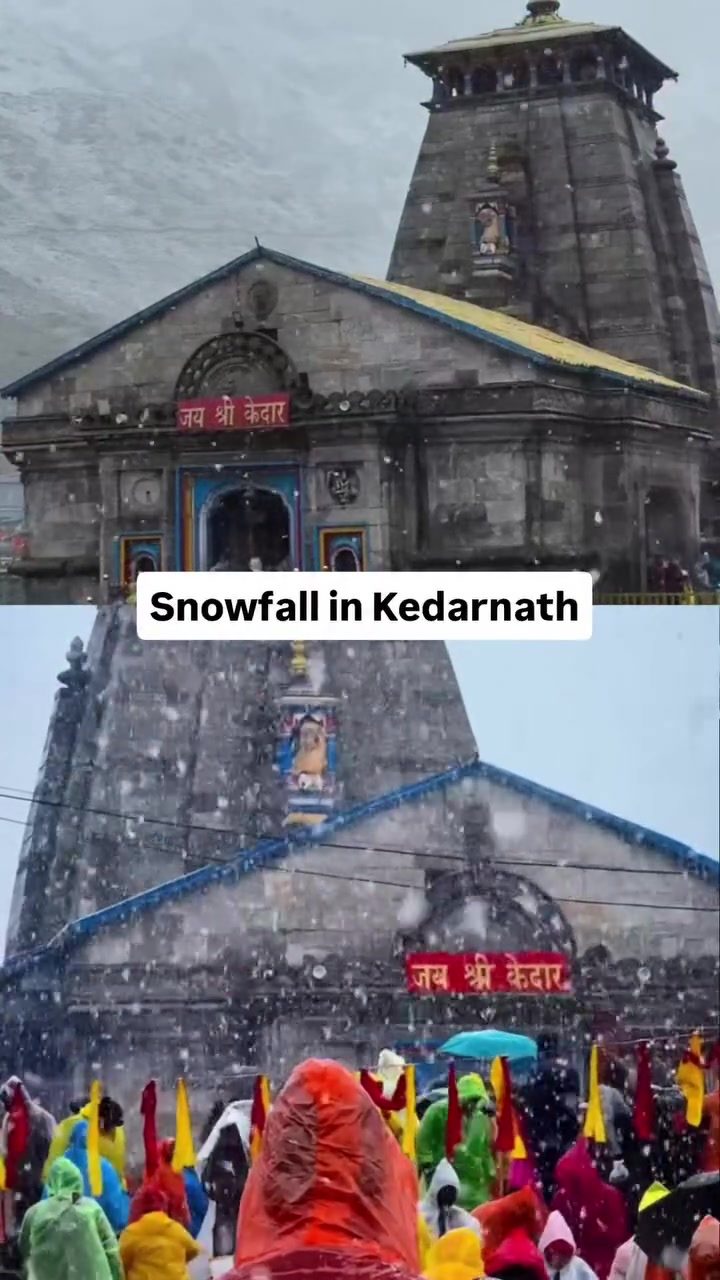
Snowfall in Kedarnath
Kedarnath, a sacred Hindu pilgrimage site nestled in the Himalayas, is renowned for its spiritual significance and breathtaking natural beauty. The temple, dedicated to Lord Shiva, is a major attraction for devotees and travelers alike. One of the most enchanting spectacles at Kedarnath is the sight of snowfall, which transforms the landscape into a serene winter wonderland.
Why this Matters
Snowfall in Kedarnath is not just a visual feast; it holds cultural and religious importance. During winter, the temple closes due to heavy snowfall, marking a significant event in the annual pilgrimage calendar. Devotees believe that the snowfall is a divine blessing, and the tranquil atmosphere adds to the spiritual experience. Additionally, the snowfall makes the region more challenging to access, enhancing the rigor and devotion of the pilgrimage.
Understanding Kedarnath
The Temple and Its Significance
Kedarnath Temple is one of the twelve Jyotirlingas of Lord Shiva, making it one of the holiest sites for Hindus. The temple's architecture is a blend of ancient and modern design, with intricate carvings and ornate decorations. The large stone structure stands as a testament to the skill of ancient architects. Surrounded by the majestic Himalayas, the temple grounds offer a sense of peace and serenity that is unparalleled.
The Impact of Snowfall
The snowfall in Kedarnath is a natural phenomenon that drastically alters the landscape. When you visit, you may see snowflakes gently falling, creating a serene and spiritual atmosphere. The temple itself is often covered in a layer of white, making it look even more picturesque. The surrounding hills and valleys transform into a pristine white landscape, providing a stark contrast to the green foliage seen in other seasons. The calm and quietude of the snow-covered landscape can be incredibly soothing.
The Cultural Experience
During the snowfall, the temple and its surroundings take on a mystical aura. People in colorful clothing, often pilgrims and visitors, can be seen enjoying the beauty of the snow. The scene is both serene and lively, with people sharing their joy and experiences. The snowfall also adds to the spiritual fervor, as many devotees believe it to be a divine blessing. The religious chants and prayers in the backdrop add to the ethereal experience, making the visit even more memorable.
Practical Tips for Visiting Kedarnath During Snowfall
Best Time to Visit
The best time to witness the snowfall in Kedarnath is during the winter months, typically from November to March. During these months, the temperature drops significantly, and the region receives heavy snowfall. However, it’s important to note that the temple may be closed during this period, and travel can be difficult. Summer months, especially from May to June, offer a better balance of weather and accessibility, with occasional snowfall that can be just as enchanting.
What to Pack
Visiting Kedarnath during snowfall requires careful planning and the right gear. Pack warm clothes, including thermal wear, gloves, and a good pair of winter boots. A waterproof jacket and a hat are also essential. Don’t forget to carry a first-aid kit, especially if you plan to hike or engage in outdoor activities. Carry a portable charger for your phone and a power bank to keep your devices charged.
Getting There
Kedarnath is accessible via road from major cities like Delhi, Haridwar, and Rishikesh. From these cities, you can hire a taxi or join a group tour. Alternatively, you can take a bus or a shared taxi to Gaurikund, from where you will need to trek about 14 kilometers to reach the temple. Trekking during snowfall can be challenging, so it’s advisable to go with a guide or as part of an organized group. Helicopter services are also available, offering a quick and convenient way to reach the temple, though they come at a higher cost.
Accommodation
While there are limited accommodation options in Kedarnath, especially during the peak winter months, you can find minimalist guesthouses or small hotels in nearby towns like Gaurikund. Some lodges and temporary shelters are available near the temple, but these may not offer the same level of comfort as hotels in larger cities. It’s a good idea to book your accommodation in advance, as availability can be limited.
Safety Precautions
Snowfall in Kedarnath can be unpredictable, and the weather conditions can change rapidly. Stay updated with the latest weather forecasts and be prepared for any eventualities. Keep a first-aid kit with you and carry a GPS device to navigate the area. If you are traveling solo, inform someone about your itinerary and expected return time.
Important Takeaways
Kedarnath during snowfall is a unique and awe-inspiring experience that combines spiritual devotion with natural beauty. The serene atmosphere, combined with the divine blessings of the snow, makes it a must-visit for any traveler or pilgrim. However, it’s essential to plan your visit carefully, ensuring you have the right gear and are prepared for the challenges that come with traveling in a snowy region. The journey to Kedarnath, whether made by foot or by road, is a testament to the perseverance and devotion of pilgrims.
Conclusion
The snowfall in Kedarnath is more than just a weather event; it’s a spiritual and cultural experience that adds a layer of beauty and significance to the already revered site. Whether you’re a devotee or a traveler, the sight of the snow-covered Kedarnath Temple is a memory that will stay with you for a lifetime.
Questions readers ask
What happens to the Kedarnath Temple during snowfall?
During snowfall, the Kedarnath Temple is often closed due to heavy snowfall. This closure marks a significant point in the annual pilgrimage calendar, and it is widely believed by devotees that this seasonal change is a divine blessing.
How do pilgrims view the snowfall at Kedarnath?
Pilgrims view the snowfall at Kedarnath as a sacred and divine blessing. The serene and tranquil atmosphere created by the snow enhances their spiritual journey and makes the pilgrimage more profound and meaningful.
Why is snowfall at Kedarnath culturally significant?
Snowfall at Kedarnath is culturally significant because it transforms the landscape into a serene winter wonderland, which aligns with the annual pilgrimage calendar. The closure of the temple and the serene atmosphere are deeply rooted in the religious beliefs and traditions of Hindu pilgrims.
What is the impact of snowfall on the pilgrimage journey?
Snowfall makes the pilgrimage journey to Kedarnath more challenging due to the harsh winter conditions. This added difficulty is seen as a way to deepen the spiritual experience, making the journey more rewarding and memorable for the devotees.
How does snowfall transform the Kedarnath Temple?
Snowfall transforms the Kedarnath Temple into a tranquil winter wonderland. The snow-covered temple enhances the serene atmosphere, adding to the spiritual significance and beauty of the pilgrimage site.
What is the significance of the shutdown of the Kedarnath Temple during winter?
The shutdown of the Kedarnath Temple during winter is a significant event in the annual pilgrimage calendar. It marks the onset of the harsh winter season, during which the temple is inaccessible due to heavy snowfall.
What do devotees believe about the snowfall at Kedarnath Temple?
Devotees believe that the snowfall at Kedarnath Temple is a divine blessing from Lord Shiva. This belief is deeply ingrained in their faith, and it adds a layer of spiritual significance to the snowfall, making it a revered part of their pilgrimage experience.
Related deep dives
Similar reads based on topic and creator.




Recent articles
Fresh deep dives from the latest Reels we unpacked.




Comments
Be the first to comment.