Philippines Geography
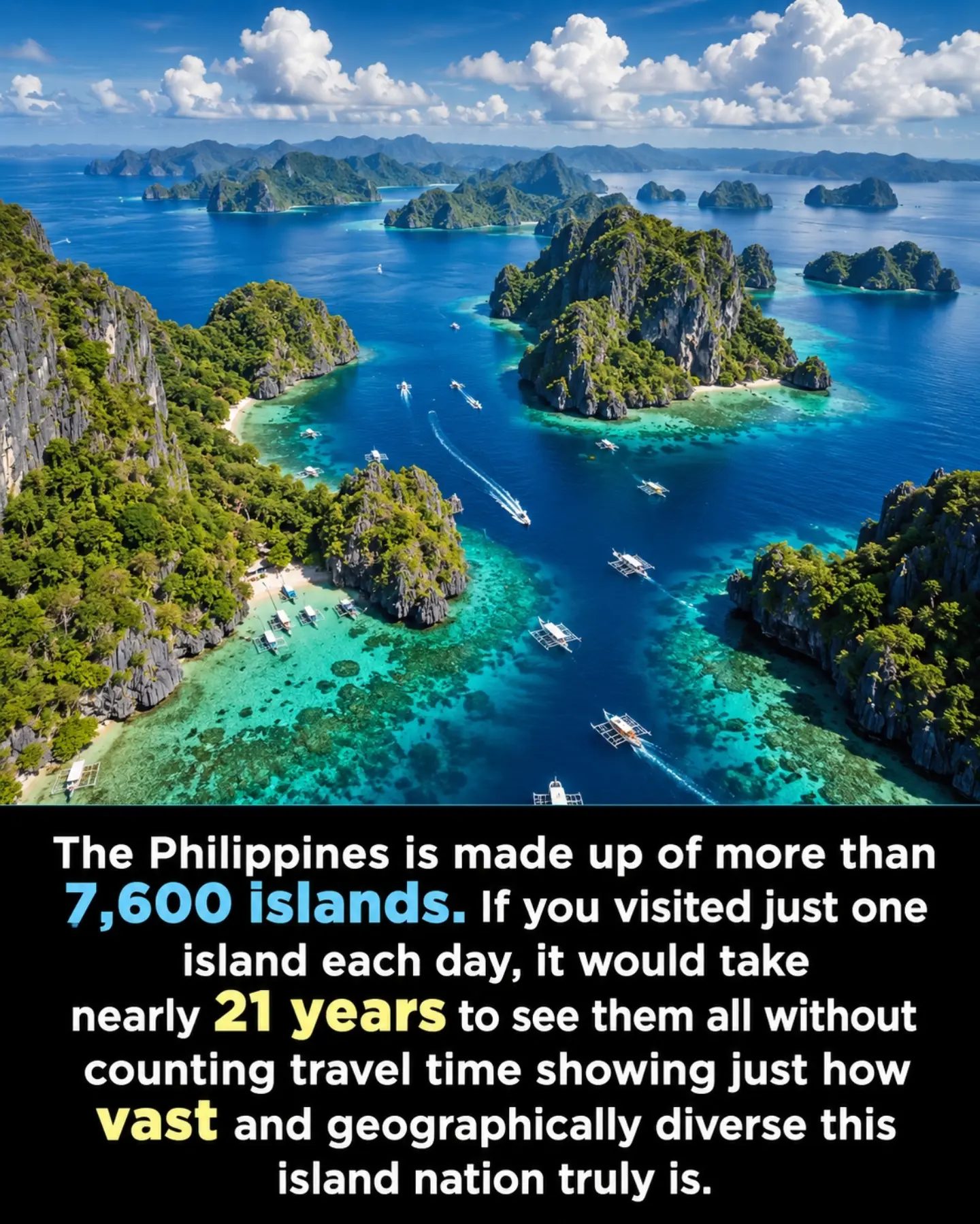
The Philippines, an archipelago nation in Southeast Asia, is renowned for its vast array of islands, with more than 7,600 scattered across the western Pacific Ocean. This geographical diversity makes the Philippines a unique and fascinating destination for travelers and geographers alike.
Context / Why this matters
Understanding the geography of the Philippines is crucial for several reasons. First, the sheer number of islands presents both opportunities and challenges. The islands offer a wide range of ecosystems, cultures, and experiences. However, the vastness also means that travel between islands can be time-consuming and logistically complex. Knowing the geographical layout helps in planning effective travel routes and understanding the distribution of resources and services.
Second, the Philippines' geographical diversity plays a significant role in its biodiversity. The islands support a rich variety of flora and fauna, many of which are endemic to specific regions. This biodiversity is not only a natural treasure but also a vital resource for scientific research and conservation efforts.
Main discussion
The Archipelago's Composition
The Philippines is composed of three main geographical divisions: Luzon, Visayas, and Mindanao. Luzon, the largest and most populous island, is home to the capital city, Manila. It is known for its vibrant urban centers, historical sites, and natural wonders like the Cordillera Region and the Banaue Rice Terraces.
Visayas, the central region, consists of several islands, including Cebu, Bohol, and Negros. This region is famous for its pristine beaches, clear waters, and rich marine life, making it a prime destination for diving and snorkeling. Visayas also boasts historical sites like the Church of Santo Niño and the Magellan's Cross in Cebu.
Mindanao, the second-largest island, is known for its rugged landscapes, diverse cultures, and rich natural resources. It is home to the Davao Region, famous for its fruit exports, and the Autonomous Region in Muslim Mindanao (ARMM), which has a distinct cultural and historical identity.
Geographical Diversity and Travel
The geographical diversity of the Philippines means that each island offers a unique experience. From the bustling city life of Manila to the tranquil beaches of Palawan, and the lush rice terraces of Banaue, there is something for every type of traveler. However, visiting all 7,600 islands is a monumental task. If one were to visit just one island each day, it would take nearly 21 years to see them all, without even factoring in travel time.
The Philippines is made up of more than 7,600 islands. This vast archipelago offers a myriad of landscapes, from lush rainforests and pristine beaches to volcanic mountains and bustling cities. The sheer number of islands and the time it would take to visit each one highlights just how geographically diverse this island nation truly is.
Key Islands to Visit
While visiting all 7,600 islands is impractical, there are several must-see destinations that showcase the best of the Philippines. Palawan, often referred to as the "Last Frontier" of the Philippines, is famous for its stunning lagoons, underground rivers, and white-sand beaches. This island is a paradise for nature lovers and adventure seekers.
Bohol is another popular destination, known for its Chocolate Hills, a geological formation of cone-shaped hills covered in lush greenery. The island is also home to the Bohol Tarsier, a small, nocturnal primate, and the famous Panglao Island, which offers beautiful beaches and water activities.
Cebu, the oldest city in the Philippines, is a blend of historical sites and modern attractions. The city is home to the Magellan's Cross, a historical landmark, and the Basilica del Santo Niño, one of the oldest churches in the country. Besides the historical sites, Cebu offers beautiful beaches, waterfalls, and diving spots.
Practical tips
Planning Your Trip
When planning a trip to the Philippines, it's important to prioritize the islands you want to visit. Given the vast number of islands and the time required to travel between them, it's essential to focus on a few key destinations. Research the best time to visit, as the climate can vary significantly between regions. The dry season, from November to April, is generally the best time to visit, as it offers clearer skies and less rainfall.
Transportation
Traveling between islands in the Philippines can be a logistical challenge. Air travel is the most convenient option, with domestic flights available to most major islands. Ferries and boats are also available for shorter distances and offer a more scenic route. Planning your transportation in advance can save time and make your trip smoother.
Accommodation
The Philippines offers a range of accommodation options to suit different budgets and preferences. From luxury resorts and hotels to budget-friendly hostels and local homestays, there is something for everyone. Researching and booking your accommodation in advance can help you secure the best deals and ensure a comfortable stay.
Important takeaways
The Philippines' array of over 7,600 islands makes it a unique and diverse destination. The geographical diversity offers a rich variety of experiences, from bustling cities to tranquil beaches and lush rainforests. Planning your trip carefully, focusing on key destinations, and understanding the logistics of travel and accommodation will help you make the most of your visit.
Conclusion
The Philippines is a land of vast geographical diversity, with over 7,600 islands offering a myriad of experiences. From the vibrant city life of Manila to the pristine beaches of Palawan and the lush rice terraces of Banaue, each island has its unique charm. Understanding the geographical layout and planning your trip carefully will help you make the most of this incredible destination.
Questions readers ask
How many islands make up the Philippine archipelago?
The Philippine archipelago is composed of over 7,600 islands. These islands are scattered across the western Pacific Ocean, offering a wide range of ecosystems and cultures for travelers to explore.
What makes the Philippines an ideal destination for adventure?
The Philippines is an ideal destination for adventure due to its diverse landscapes and rich cultural heritage. The vast number of islands provides numerous opportunities for island hopping, hiking, diving, and discovering unique local traditions.
What challenges might travelers face when exploring the Philippines?
Travelers may face logistical challenges due to the vast number of islands. Travel between islands can be time-consuming, and planning routes requires careful consideration of ferry schedules and flight availability.
Which islands are the best places to visit in the Philippines?
The best islands to visit in the Philippines depend on your interests, but popular choices include Palawan for its stunning beaches and clear waters, Cebu for its vibrant culture and historical sites, and Bohol for its unique Chocolate Hills and tarsier sanctuaries.
What are some tips for traveling the Philippines?
When traveling the Philippines, it's important to plan your route carefully, considering the distances and travel times between islands. Also, be prepared for varying conditions, as some islands may have limited infrastructure. Research local customs and traditions to enhance your cultural immersion.
How can I make the most of my island-hopping experience in the Philippines?
To make the most of your island-hopping experience, consider joining organized tours or hiring local guides. This can help you navigate the complexities of travel between islands and provide insights into the best spots to visit and hidden gems to discover.
What can I expect from aerial views of the Philippines?
Aerial views of the Philippines reveal a breathtaking panorama of lush landscapes, vibrant coral reefs, and crystal-clear waters. From above, the diverse ecosystems and the intricate layouts of the islands become even more apparent, offering a unique perspective on the archipelago's beauty.
Related deep dives
Similar reads based on topic and creator.



Recent articles
Fresh deep dives from the latest Reels we unpacked.



Comments
Be the first to comment.