The Human Anatomy Model: An In-Depth Look
Context / Why this Matters
Human anatomy models are essential for medical professionals, students, and anyone interested in understanding the human body. They provide a visual and tangible representation of the complex structures inside the body, making it easier to comprehend and study.
The Anatomy Model and Pain Levels
While exploring the human anatomy model, it's interesting to consider how it might demonstrate different levels of pain. The model showcases various poses and positions, but it’s important to note that it doesn’t experience pain. However, the speaker in the video discusses different levels of pain, offering insights into how the body might react to certain injuries or conditions that an anatomy model would not.
Level 1: Minor Injuries
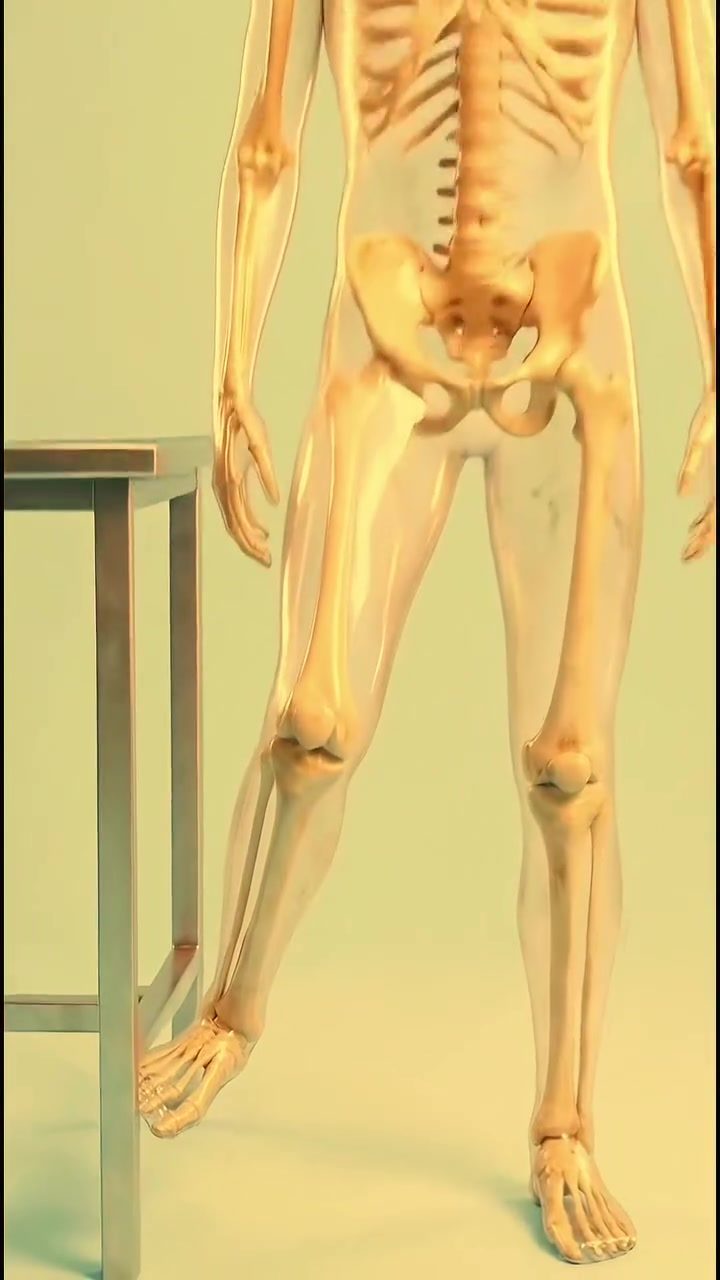
At the lowest level of injury, such as smashing one's toes into a table, the pain is intense but brief. The body responds quickly, but the injury is not life-threatening. This minor pain is often felt instantly and subsides just as quickly. While an anatomy model can't mimic this pain, visualizing the impact on the toes can help understand the mechanism of injury.
Level 2: Burns
The second level of pain involves drinking extremely hot coffee, which causes a burning sensation in the stomach. Though this pain is more severe and lasts longer, it is still not dangerous in the long term. Again, an anatomy model can't replicate this sensation, but understanding the digestive system's structure helps visualize how the body processes hot liquids.
Level 3: Severe Impact Injuries
A bowling ball to the groin area represents a more severe pain level. The explosion of pain is instant and can cause the body to shut down temporarily. This level of impact can be visually represented by the movements of the model, showing how the body might react to such a force.
Level 4: Electric Shock
Electric shocks are even more intense; every nerve in the body fires at once, causing the whole body to scream in pain. This level of pain can be critical and life-threatening. While the model can't demonstrate the electrical response, understanding the nervous system’s structure helps visualize the spread of the shock.
Level 5: Cluster Headaches
Cluster headaches are considered the most intense pain a human can experience. This pain is sustained and can be debilitating. The anatomy model can visually demonstrate the areas of the brain and head that might be affected by such headaches, though it can't replicate the pain itself.
The Anatomy Model: A Detailed Study
An anatomy model isn't just about visualizing pain; it's about understanding the body's intricate structure in detail. The human skeleton is the foundation of our body, and it is remarkable to see it in various poses. The flexibility and complexity of the skeletal system are showcased through different movements like standing, sitting, and even more advanced poses like a split.
The Skeleton
The human skeleton is a complex system of bones that provides support, protection, and mobility. The detailed 3D model allows for an in-depth look at how each bone is interconnected. This is crucial for understanding how the body moves and how different bones might be affected by injuries.
Internal Organs
One of the most fascinating aspects of an anatomy model is the display of internal organs within the skeletal structure. The digestive system, for example, is crucial for understanding how the body processes food and nutrients. Seeing the liver, stomach, and intestines in their correct positions helps visualize the digestive process.
Practical Tips for Using an Anatomy Model
An anatomy model is an invaluable tool for anyone studying medicine, biology, or physiology. Here are some practical tips for getting the most out of your model:
-
Study in Sections: Break down the body into sections and study each part in detail. Start with the skeleton and then move on to the internal organs.
-
Use Positions Wisely: Use the model in different poses to understand how the body responds to movements. This is particularly useful for understanding joint mobility and bone alignment.
-
Compare to Real-Life: Whenever possible, compare what you see in the model to real-life examples. This can include looking at X-rays or medical images of the body.
-
Go Digital: If possible, use digital models in addition to physical ones. Digital models can provide interactive features that help in a deeper understanding of the body's structure.
Important Takeaways
-
Complex Structure: The human body is incredibly complex, and an anatomy model helps break down this complexity into understandable parts.
-
Understanding Pain: While an anatomy model can't feel pain, visualizing different levels of pain can help understand how the body reacts to various injuries.
-
Practical Uses: An anatomy model is a hands-on tool that can be used for studying medicine, biology, and physiology.
-
Internal Organs: The display of internal organs within the skeletal structure provides a comprehensive view of the body's workings.
Conclusion
An anatomy model is more than just a visual aid; it's a comprehensive tool for understanding the human body. By providing a detailed look at the skeletal system and internal organs, it serves as an invaluable resource for students, professionals, and anyone interested in human anatomy. Whether you're studying for an exam or simply curious about how the body works, an anatomy model offers a wealth of knowledge and insight.
Questions readers ask
How can a human 3D anatomy model help in understanding pain levels?
A human 3D anatomy model can help visualize the areas of the body where different pain levels might originate, even though the model itself does not feel pain. By examining the model, one can understand which body parts are most likely to generate pain and understand the severity of pain from minor to severe.
What are the different levels of pain that can be explained using a 3D body model?
The different levels of pain that can be explained using a 3D body model range from minor injuries, such as a slight muscle strain, to severe impacts, like a deep bone fracture or organ damage. These levels can be understood by comparing the different structures and their potential vulnerabilities in the model.
Can a 3D anatomy model demonstrate how pain feels in the human body?
A 3D anatomy model cannot demonstrate the subjective experience of pain, but it can show the areas of the body where pain might originate. By examining the model, one can understand which body parts are most likely to generate pain and the potential severity of the pain.
How does a 3D anatomy model help in understanding pain in different body parts?
A 3D anatomy model helps in understanding pain in different body parts by providing a visual representation of the skeletal, muscular, and internal structures. By closely examining the model, one can see how various injuries or conditions might affect different areas, offering a clearer picture of the anatomy of pain.
What is the significance of understanding pain levels in the human body?
Understanding pain levels in the human body is crucial for identifying and addressing medical issues effectively. By recognizing the different pain levels, individuals can better communicate their symptoms to healthcare professionals, leading to more accurate diagnoses and appropriate treatments.
How can comparing pain levels using a 3D anatomy model aid in medical contexts?
Comparing pain levels using a 3D anatomy model can aid in medical contexts by providing a visual reference for healthcare professionals and patients. This helps in explaining the potential causes of pain, the expected outcomes of treatments, and the necessary precautions to take for different conditions.
What are the limitations of using a 3D anatomy model to understand pain?
The primary limitation of using a 3D anatomy model to understand pain is that the model does not experience or convey the subjective sensation of pain. It is a visual and tactile tool and does not replicate the neurological and physiological responses that occur with pain. It is best used as a supplementary resource.
Related deep dives
Similar reads based on topic and creator.

Recent articles
Fresh deep dives from the latest Reels we unpacked.




Comments
Be the first to comment.