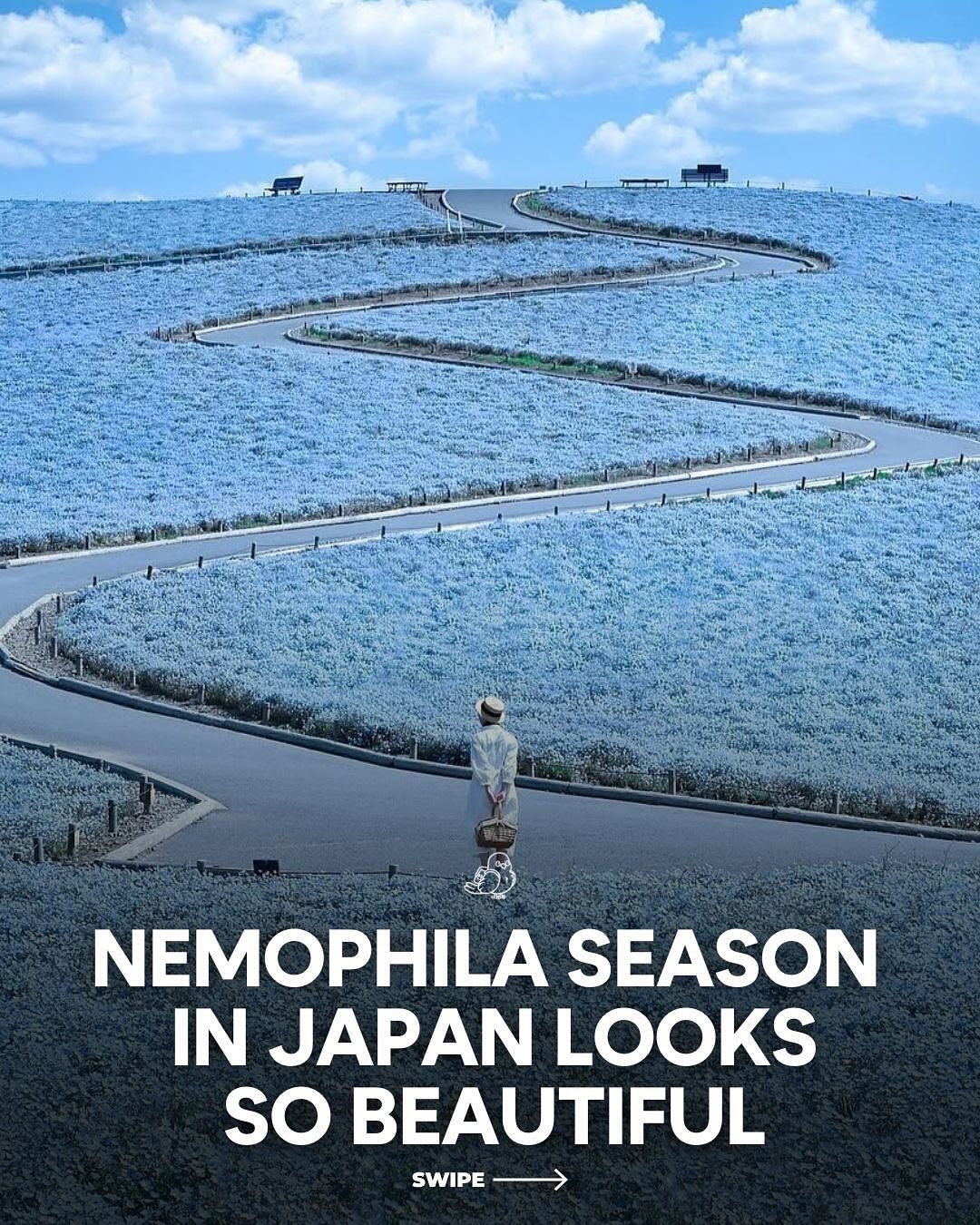
Nemophilia Season in Japan
Nemophilia season in Japan is a captivating time when vast fields of vibrant blue flowers blanket the landscape, creating a mesmerizing spectacle. This annual event, often referred to as the "baby blue eyes" season, typically runs from mid-April to early May, with the peak bloom period occurring in late April. Visitors from around the world flock to Japan during this time to witness the stunning beauty of the Nemophilia flowers.
Why This Matters
The Nemophilia season is a significant event for both tourists and locals in Japan. It offers a unique opportunity to experience the natural beauty of the countryside, away from the bustling cities. This season is particularly important for travel and tourism, as it attracts a large number of visitors, contributing to the local economy. Additionally, the serene and picturesque landscapes provide a therapeutic escape, making it a popular destination for both solo travelers and families.
Scenic Beauty and Locations
Hitachi Seaside Park
Hitachi Seaside Park in Ibaraki Prefecture is arguably the most famous spot to view the Nemophilia flowers. The park is home to over 4.5 million blossoms, transforming the rolling hills into a breathtaking blue spectacle. The park’s expansive fields of flowers create a dreamy, sky-like scenery that is both visually striking and serene. Visitors can stroll through the winding roads, enjoying the vibrant colors and the fresh, crisp air.
Accessibility
Hitachi Seaside Park is approximately two hours from Tokyo, making it an ideal day trip, especially during the Golden Week, a popular holiday period in Japan. The park's accessibility from Tokyo means that even those with limited time can experience the beauty of the Nemophilia season. Trains often pass through the fields, adding to the scenic charm and providing a unique vantage point for visitors.
The Colors of Nemophilia
The Nemophilia flowers, with their distinctive baby blue color, create a visually stunning landscape. The fields of blue flowers stretch as far as the eye can see, creating a sea of color that is both calming and invigorating. The vibrant hues of the flowers contrast beautifully with the lush greenery of the surrounding landscape, making it a photographer’s paradise.
Practical Tips
Optimal Viewing Times
For an optimal experience, it is recommended to arrive early in the morning. This allows visitors to avoid the crowds and fully immerse themselves in the dreamy, sky-like scenery. Early morning visits also offer cooler temperatures, making the hike through the fields more enjoyable. Additionally, the soft morning light adds a magical quality to the landscape, making it a perfect time for photography.
What to Bring
When visiting Hitachi Seaside Park during the Nemophilia season, it is essential to be prepared. Comfortable walking shoes are a must, as visitors often spend several hours exploring the expansive fields. A hat, sunscreen, and a water bottle are also recommended to protect against the sun and keep hydrated. A camera or smartphone is essential for capturing the stunning landscapes.
Public Transportation
Visitors traveling from Tokyo can easily access Hitachi Seaside Park via public transportation. Trains and buses are readily available, making the journey convenient and stress-free. It is advisable to check the schedules and plan accordingly to ensure a smooth trip.
Important Takeaways
The Magic of Nemophilia
The Nemophilia season in Japan is a magical time that showcases the natural beauty of the country. The expansive fields of blue flowers, the winding roads, and the scenic train rides create a mesmerizing experience that is both calming and invigorating. It offers a unique opportunity to escape the hustle and bustle of urban life and immerse oneself in nature.
The Cultural Significance
The Nemophilia season is not just a beautiful sight; it holds significant cultural value in Japan. It is a time when people come together to celebrate the beauty of nature and the changing seasons. For many, it is a time of reflection and rejuvenation, providing a much-needed respite from daily life.
Travel and Tourism
The Nemophilia season is a boon for travel and tourism in Japan. It attracts a large number of visitors, contributing to the local economy. For those planning a trip to Japan, experiencing the Nemophilia season is a must-do. It offers a unique travel experience that combines natural beauty, cultural significance, and therapeutic benefits.
Conclusion
The Nemophilia season in Japan is a breathtaking spectacle that showcases the natural beauty of the country. With its expansive fields of vibrant blue flowers, winding roads, and scenic train rides, it offers a unique and unforgettable experience. For those planning a trip, visiting Hitachi Seaside Park during the peak bloom period is highly recommended. The serene and picturesque landscapes provide a therapeutic escape, making it a perfect destination for all ages.
Questions readers ask
When is the best time to visit Japan for the Nemophilia season?
The best time to visit Japan for the Nemophilia season is typically from mid-April to early May. The peak bloom period, when the fields are most vibrant, occurs in late April.
What are Nemophilia flowers, and why are they significant during this season?
Nemophilia flowers, often called 'baby blue eyes,' are known for their vibrant blue color. During the Nemophilia season, these flowers create vast, mesmerizing landscapes across Japan, transforming the countryside into a serene, picturesque scene that attracts visitors worldwide.
Where can I find the best Nemophilia fields in Japan?
Some of the most stunning Nemophilia fields in Japan can be found in locations like the Nemophilas in Hiraizumi, Iwate, and various farms and parks across the country. These spots offer breathtaking views and are popular among both tourists and locals.
How does the Nemophilia season impact travel and tourism in Japan?
The Nemophilia season significantly boosts tourism in Japan, attracting a large number of visitors who come to experience the natural beauty of the countryside. This influx of tourists contributes to the local economy and provides a unique travel experience.
Can I still visit Japan for the Nemophilia season in early May?
Yes, early May is still a great time to visit Japan for the Nemophilia season. While the peak bloom period is in late April, the flowers often remain vibrant into early May, offering a serene and picturesque landscape for visitors.
What activities can I enjoy during the Nemophilia season in Japan?
During the Nemophilia season, you can enjoy activities like hiking through the fields, picnicking in the countryside, and taking photographs of the stunning blue landscapes. Some visitors also enjoy visiting nearby historical sites or participating in local festivals.
Is it possible to backpack through Japan during the Nemophilia season?
Yes, backpacking through Japan during the Nemophilia season is a popular activity. The countryside offers a serene and picturesque landscape, making it an ideal time for nature lovers to explore. Just make sure to plan your route and accommodations in advance, as popular spots can get crowded.
Related deep dives
Similar reads based on topic and creator.




Recent articles
Fresh deep dives from the latest Reels we unpacked.



Comments
Be the first to comment.