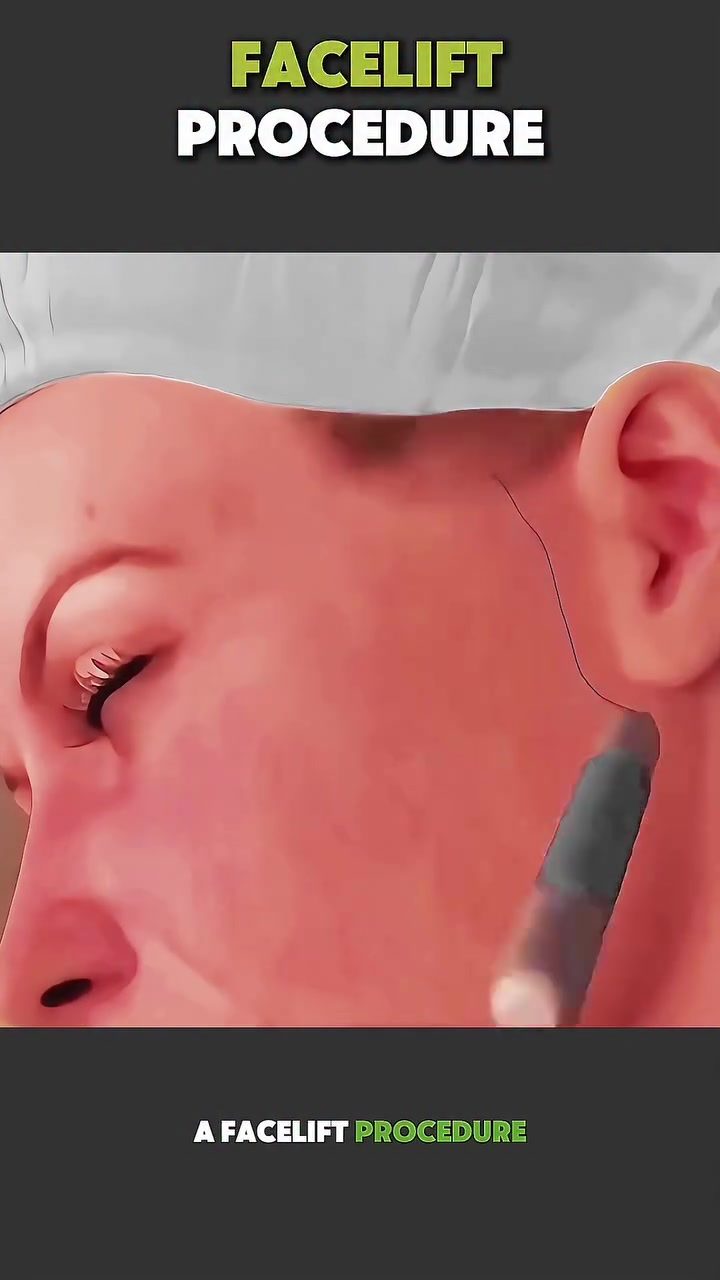
Facelift Procedure
A facelift, also known as a rhytidectomy, is a cosmetic surgical procedure designed to restore a more youthful appearance to the face. This procedure addresses the signs of aging, such as loose skin, deep wrinkles, and sagging cheeks, by lifting and tightening the facial tissues.
Context
Why This Matters
As we age, the skin loses its elasticity, muscles loosen, and the effects of gravity become more pronounced, leading to sagging and wrinkles. A facelift can counteract these changes, providing a more refreshed and youthful look. It is important to understand that a facelift doesn't alter one's identity; instead, it enhances natural features and restores a more vibrant appearance.
Main Discussion
The Aging Process and Facial Changes
Aging affects the face in several ways. The skin loses its firmness, muscles weaken, and the underlying fat pads shift. Gravity pulls everything downward, resulting in sagging cheeks, deep wrinkles, and loose skin around the jawline and neck. These changes can make a person appear older and more tired, even if they feel youthful and energetic on the inside.
The Facelift Procedure
During a facelift, the surgeon makes carefully placed incisions, usually around the ears and hairline, to minimize visible scarring. The procedure involves several key steps:
- Skin Incision and Flap Creation: The surgeon makes an incision, typically starting within the hairline at the temple, continuing around the ear, and ending in the lower scalp.
- Muscle and Tissue Tightening: The underlying muscles and connective tissues are gently tightened to lift and reshape the face.
- Skin Retraction and Repositioning: Excess skin is removed, and the remaining skin is repositioned and sutured into place, providing a smoother and more youthful contour.
- Contouring and Refining: The surgeon may perform additional contouring and refining to ensure a natural and balanced appearance.
The Goal of a Facelift
The primary goal of a facelift is to restore a more youthful appearance without altering one's unique features. It aims to refresh the face by lifting and tightening the skin, muscles, and underlying tissues. The result is a rejuvenated look that reflects a younger, well-rested version of oneself, rather than a dramatically different appearance.
Anesthesia and Recovery
A facelift is typically performed under anesthesia, which ensures the patient's comfort and safety during the procedure. Recovery takes a few weeks, during which time swelling and bruising gradually fade. The final results, including firmer, smoother contours, become more apparent as the healing process progresses. During this time, it is essential to follow the surgeon's post-operative instructions to ensure optimal healing and results.
Practical Tips
Preparing for a Facelift
Before undergoing a facelift, it is crucial to have a thorough consultation with a qualified and experienced surgeon. During this consultation, the surgeon will assess the patient's facial structure, discuss expectations, and outline the potential risks and benefits of the procedure. It is essential to choose a surgeon who is board-certified in plastic surgery and has extensive experience performing facelifts.
Post-Operative Care
Proper post-operative care is critical for achieving the best results from a facelift. Patients should:
- Follow the surgeon's instructions for wound care and medication.
- Avoid strenuous activities and lifting heavy objects for several weeks.
- Keep the head elevated to minimize swelling.
- Attend all scheduled follow-up appointments to monitor progress and address any concerns.
Choosing a Surgeon
Selecting the right surgeon is one of the most important decisions a patient can make. Factors to consider include:
- Credentials and Experience: Ensure the surgeon is board-certified and has a proven track record of successful facelifts.
- Before-and-After Photos: Review the surgeon's portfolio to assess the quality and consistency of their work.
- Patient Testimonials: Read reviews and testimonials from previous patients to gain insight into the surgeon's bedside manner and results.
- Communication: Choose a surgeon who listens to your concerns, answers your questions, and makes you feel comfortable throughout the process.
Important Takeaways
- Facelifts are designed to restore a youthful appearance by addressing skin laxity, muscle weakness, and the effects of gravity.
- The procedure involves carefully placed incisions, muscle tightening, skin removal, and repositioning.
- The goal is to look like a younger, well-rested version of oneself, not to appear dramatically different.
- Proper preparation, post-operative care, and surgeon selection are crucial for achieving the best results.
Conclusion
A facelift is a powerful tool for those seeking to rejuvenate their appearance and boost their self-confidence. By understanding the procedure, its benefits, and the importance of proper care, individuals can make informed decisions and achieve the desired results. Whether addressing sagging skin, deep wrinkles, or a tired appearance, a facelift can help restore a more youthful and vibrant look.
Questions readers ask
What areas of the face does a facelift procedure address?
A facelift primarily targets the middle and lower parts of the face, including the cheeks, jawline, and neck. It addresses sagging skin, deep wrinkles, and loose facial tissues in these areas. Typically, a facelift does not include the forehead or the area around the eyes, which may require separate procedures.
How does a facelift procedure enhance natural features?
A facelift enhances natural features by lifting and tightening the facial tissues, rather than pulling the skin taught. This results in a more refreshed and youthful appearance that still looks natural. The procedure aims to restore a vibrant look without altering one's unique facial characteristics.
What can I expect during facelift recovery?
Recovery from a facelift typically takes about 2-4 weeks. Initially, there may be swelling, bruising, and discomfort, which can be managed with medication. Patients should avoid strenuous activities and follow their surgeon's post-operative instructions closely to ensure proper healing.
Can a facelift be combined with other procedures?
Yes, a facelift can be combined with other procedures for a more comprehensive rejuvenation. Common combinations include a neck lift surgery to address sagging skin in the neck area, or procedures around the eyes, such as blepharoplasty, to complement the facelift results.
How should I prepare for a facelift?
Preparing for a facelift involves several steps, including consulting with a qualified surgeon, discussing your goals and expectations, and undergoing a comprehensive medical evaluation. You should also arrange for someone to drive you home after the procedure and assist you during the initial recovery period. Additionally, you may need to stop taking certain medications or supplements, such as blood thinners, before the surgery.
What is the difference between a full facelift and a mini facelift?
A full facelift, or rhytidectomy, addresses the entire lower face and neck, providing a more comprehensive rejuvenation. It involves lifting and tightening facial tissues and removing excess skin. A mini facelift, on the other hand, focuses on the lower face and may be recommended for younger patients or those with less extensive signs of aging. The mini facelift typically has a shorter recovery time than a full facelift.
Recent articles
Fresh deep dives from the latest Reels we unpacked.



Comments
Be the first to comment.