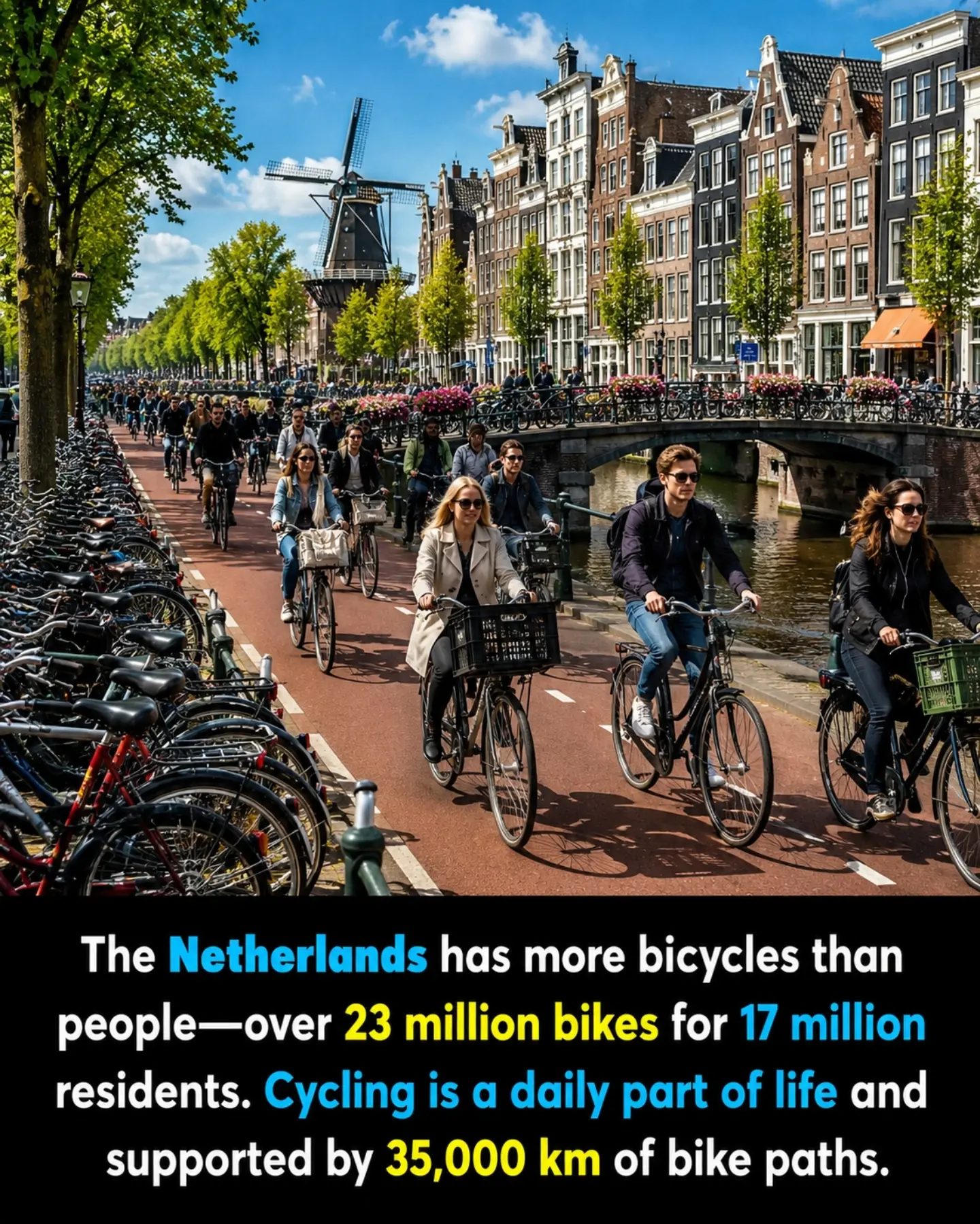
Cycling in Amsterdam
Amsterdam, the capital of the Netherlands, is renowned for its vibrant cycling culture. Cycling is more than just a mode of transportation here; it is a way of life. The city's infrastructure and the Dutch people's mindset have made cycling a daily activity.
Context / Why this matters
With over 23 million bicycles and a population of approximately 17 million, the Netherlands leads the world in bicycle usage. This means that there is more than one bicycle for every resident. The extensive network of 35,000 km of bike paths supports this cycling culture, making it convenient and safe for people to cycle daily.
Main discussion
The Everyday Cyclist
In Amsterdam, cycling is not just for leisure or fitness; it's a practical means of daily commute. People of all ages, from children to seniors, use bicycles to travel to work, school, or run daily errands. The city's infrastructure is designed to accommodate this, with dedicated bike lanes, bike parking, and even traffic signals timed to favor cyclists. This makes cycling a seamless part of everyday life in the Netherlands.
Bike Paths and Infrastructure
The Netherlands boasts an impressive 35,000 km of dedicated bike paths. These paths are well-maintained, separate from motor vehicle traffic, and often run along scenic routes. Some even have their own traffic lights and crossing signals to ensure cyclists' safety. This extensive network encourages more people to cycle, reducing traffic congestion and pollution.
Cycling and Community
Cycling in Amsterdam is more than just a mode of transport; it’s a social activity. It’s common to see groups of friends or families cycling together, enjoying each other’s company while commuting or exploring the city. Cycling paths often run alongside canals and parks, providing picturesque views and a relaxing atmosphere.
Impact on Lifestyle
The prevalence of cycling has a profound impact on the health and well-being of Amsterdam’s residents. Cycling is a low-impact, cardiovascular exercise that helps maintain fitness levels. It also contributes to a cleaner environment, as fewer cars on the road mean lower emissions. The city’s cycling culture has made it one of the healthiest and least polluted urban areas in Europe.
Practical tips
Essential Cycling Gear
If you plan to cycle in Amsterdam, make sure to equip yourself with the right gear. A sturdy bike, helmet, and reflective clothing are essentials. Also, consider getting a bike lock, as bike theft is a common issue in the city.
Navigating Bike Lanes
Bike lanes in Amsterdam are clearly marked and well-maintained. Always use the designated lanes and follow traffic rules. Be mindful of pedestrians and other cyclists, and use hand signals to indicate turns or stops.
Utilizing Cycling Apps
Several mobile apps can enhance your cycling experience in Amsterdam. Apps like Google Maps, Bike Citizens and Waze provide real-time traffic updates and route suggestions. Bike sharing services like OFO and Nextbike are also available, making it easy to rent a bike if you don't own one.
Safety Tips
Always check your bike for safety before starting a ride. Ensure your brakes, lights, and tires are in good condition. Obey traffic signals and respect other road users. Wear reflective clothing to be visible, especially during nighttime rides.
Important takeaways
- Cycling is a fundamental part of the Dutch lifestyle, with extensive infrastructure to support it.
- Amsterdam’s cycling culture benefits both the environment and the health of its residents.
- Essential cycling gear and navigation tips can make your experience smoother and safer.
- The Netherlands' commitment to cycling offers valuable lessons for other cities aiming to reduce traffic congestion and pollution.
Conclusion
Cycling in Amsterdam is not just a means of transportation; it is a lifestyle. The city’s extensive network of bike paths, combined with a cycling-friendly culture, makes it easy and enjoyable for residents to incorporate cycling into their daily routines. Whether you are a resident or a visitor, embracing cycling in Amsterdam can provide a unique and enriching experience, offering a glimpse into the city’s vibrant and sustainable culture.
Questions readers ask
What makes Amsterdam's cycling culture unique?
Amsterdam's cycling culture stands out due to its deeply ingrained lifestyle. Here, cycling is more than just a mode of transportation; it's a way of life. The city's infrastructure, including vast bike paths, and the mindset of its residents make cycling a seamless and enjoyable daily activity.
What is the extent of the bike paths in Amsterdam?
Amsterdam boasts an extensive network of bike paths, totaling 35,000 km of dedicated cycling routes. This extensive network supports the city's cycling culture, making it convenient and safe for people to cycle daily.
Is Amsterdam safe for beginners to start cycling?
Yes, Amsterdam is safe for beginners to start cycling. The city’s infrastructure is designed with cyclists in mind, featuring dedicated bike paths and traffic rules that prioritize cyclists. The local cycling community is also welcoming and supportive, making it easier for newcomers to get comfortable with cycling.
Are bike parking facilities available in Amsterdam?
Yes, Amsterdam offers ample bike parking facilities. The city provides over 200,000 designated parking spots for bicycles, ensuring that cyclists have convenient and secure places to park their bikes. This extensive parking system supports the city’s commitment to a bike-friendly environment.
How does cycling contribute to well-being in Amsterdam?
Cycling in Amsterdam contributes to well-being through physical exercise and reduced stress. The act of cycling helps residents stay active, and the city's well-planned infrastructure makes commuting less stressful and more enjoyable. Additionally, cycling fosters a sense of community and connection among residents, enhancing overall well-being.
How does Amsterdam's bicycle infrastructure help reduce congestion?
Amsterdam's extensive bike paths and infrastructure play a significant role in reducing congestion. By providing dedicated lanes for cyclists, the city encourages more people to commute by bike rather than by car, leading to fewer vehicles on the road. This shift helps to alleviate traffic and improve air quality, making the city a more pleasant and efficient place to live.
What are some of the best bike paths for exploring Amsterdam?
Some of the best bike paths in Amsterdam for exploring include the Amstel River route, which offers scenic views, and the Vondelpark route, which is perfect for a leisurely ride through a beautiful urban park. Other notable paths include the Jordaan and Prinsengracht routes, which provide a mix of historic sites and modern amenities. These paths are well-maintained and offer a great way to experience the city's unique atmosphere.
Related deep dives
Similar reads based on topic and creator.




Recent articles
Fresh deep dives from the latest Reels we unpacked.




Comments
Be the first to comment.