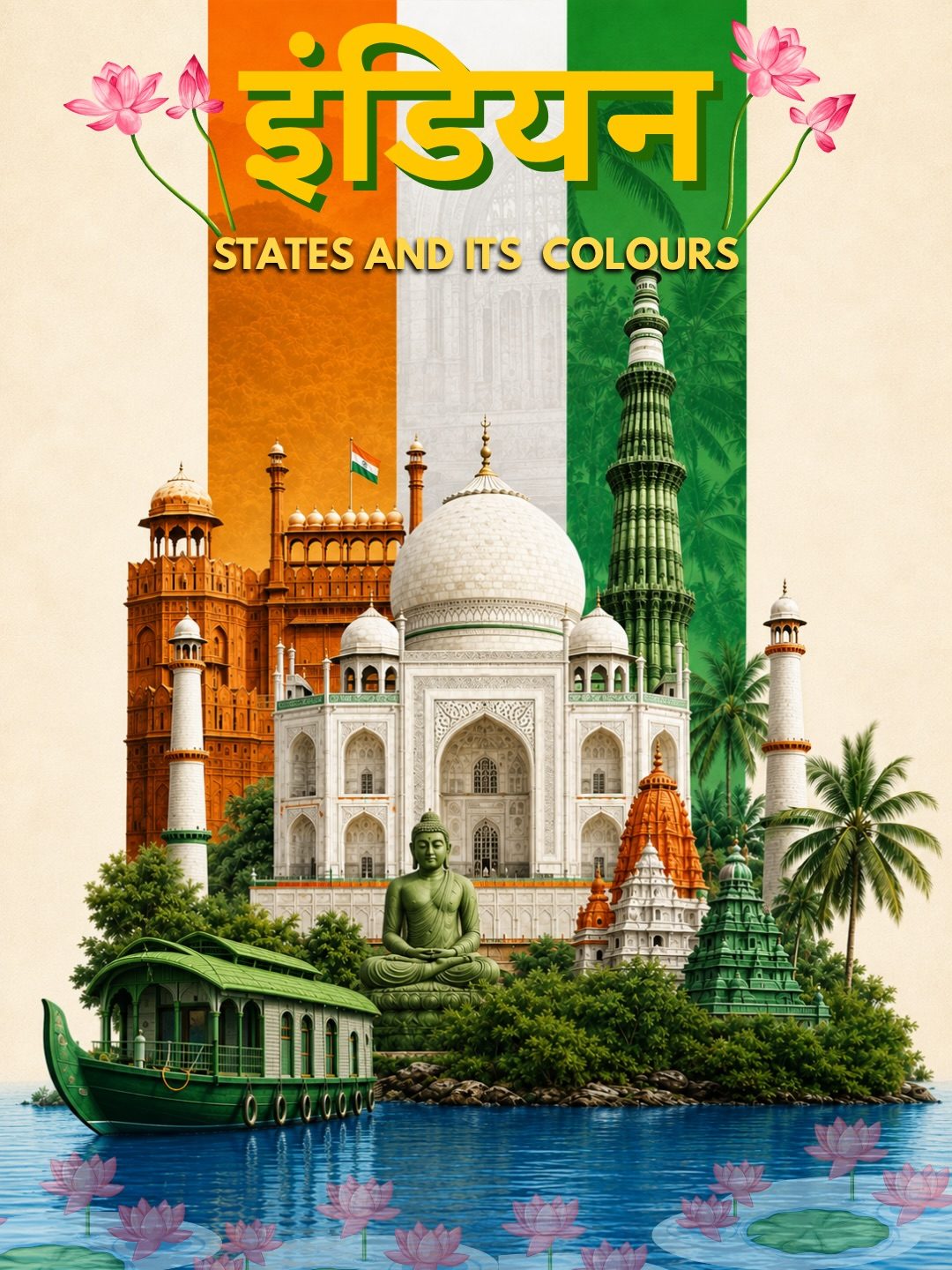
India's Diverse Landmarks and Cultural Treasures
India, a country rich in history and culture, boasts an array of iconic landmarks and vibrant cultural heritage. From the grandeur of the Taj Mahal to the spiritual allure of the Golden Temple, and from the pristine beaches of Goa to the ancient temples of Tamil Nadu, each region offers a unique tapestry of experiences.
Why this Matters
Understanding the landmarks and cultural heritage of India provides a deeper appreciation for the country's diversity and historical significance. Each state has its own unique identity, shaped by its landmarks, traditions, and customs. Exploring these elements offers insights into India's past and present, making travel experiences more meaningful.
Iconic Landmarks of Indian States
The Taj Mahal and the Taj Mahal
The Taj Mahal, located in Agra, Uttar Pradesh, is often seen as the epitome of India's architectural marvels. This white marble mausoleum was commissioned by Mughal emperor Shah Jahan in memory of his wife, Mumtaz Mahal. The intricate carvings, luxurious materials, and meticulous design make it a UNESCO World Heritage Site. Beyond the Taj Mahal, Agra is also home to other significant landmarks, such as the Agra Fort and Fatehpur Sikri, which showcase the grandiosity of Mughal architecture.
Red Fort and Qutub Minar
Red Fort, located in Delhi, is another iconic monument that reflects the grandeur of Mughal rule. Commissioned by Emperor Shah Jahan, it served as the main residence of the emperors of the Mughal dynasty for nearly 200 years. The fort's architecture is a blend of Persian, Timurid, and Indian architectural styles, making it a true marvel. Additionally, the Qutub Minar, also in Delhi, stands as a testament to India's rich history. This towering minaret was built by Qutub-ud-din Aibak, the first Sultan of Delhi, and is renowned for its intricate carvings and historical significance.
The Golden Temple
In Punjab, the Golden Temple, also known as Harmandir Sahib, holds immense spiritual and cultural significance. Located in Amritsar, this Sikh temple is renowned for its golden dome and reflective pool, which are symbols of peace and serenity. The temple is not only a place of worship but also a symbol of the Sikh community’s commitment to equality and humanitarian values. The Golden Temple attracts millions of visitors each year, making it one of the most visited religious sites in the world.
Ancient Temples of Tamil Nadu
Tamil Nadu, known for its rich cultural heritage and ancient temples, offers a glimpse into India's spiritual past. Temples like Brihadisvara Temple in Thanjavur and Meenakshi Temple in Madurai are architectural marvels that showcase the Dravidian style of temple architecture. These temples are adorned with intricate carvings, sculptures, and vibrant colors, making them a visual treat for visitors. Tamil Nadu is also known for its traditional art forms like Kolam, a form of floor art created using rice flour or chalk, which is often seen outside homes and temples.
Goa's Vibrant Beaches and Colonial Architecture
Goa, a coastal state in western India, is renowned for its stunning beaches, vibrant culture, and Portuguese colonial architecture. The state's beaches, such as Baga, Calangute, and Anjuna, attract tourists from around the world with their golden sands, clear waters, and lively atmosphere. Beyond the beaches, Goa's churches and fortresses offer a glimpse into its colonial past. The Basilica of Bom Jesus, a UNESCO World Heritage Site, and the Fort Aguada are must-visit landmarks that reflect Goa's rich history and cultural heritage.
Traditional Attire and Cultural Practices
India's cultural diversity is also evident in its traditional attire and practices. Each region has its own unique style of clothing, reflecting its cultural and historical background. For instance, in Punjab, men often wear turbans and kurtas, while women wear saris and salwar kameez. Traditional Punjabi cuisine, including dishes like makki di roti and sarson da saag, is a significant part of the region's cultural identity.
In Tamil Nadu, women often wear traditional saris with intricate patterns, while men wear vests and lungis. The state's traditional art forms, such as Kolam and Bharatanatyam, are important aspects of its cultural heritage. These practices not only enrich the cultural fabric of the region but also provide a deeper understanding of its history and traditions.
Practical Tips
Best Times to Visit
The best time to visit India depends on the region you plan to explore. For instance, the best time to visit Goa is from November to March, when the weather is pleasant, and the beaches are less crowded. In contrast, the best time to visit Punjab is from September to March, when the weather is mild and suitable for outdoor activities. For Tamil Nadu, the best time to visit is from October to March, when the weather is cool and comfortable.
Must-Visit Landmarks
When planning a trip to India, it's essential to include some of the must-visit landmarks. In Agra, the Taj Mahal is a must-visit, along with the Agra Fort and Fatehpur Sikri. In Delhi, the Red Fort and Qutub Minar are essential landmarks to explore. For a spiritual journey, the Golden Temple in Punjab and the ancient temples of Tamil Nadu are ideal destinations.
Cultural Experiences
To fully immerse yourself in India's rich cultural heritage, engage in local practices and traditions. In Goa, try local seafood dishes and engage in water sports like paragliding and scuba diving. In Punjab, participate in traditional festivals like Baisakhi and experience the vibrant Bhangra dance performances. In Tamil Nadu, visit local temples and participate in traditional art forms like Kolam and Bharatanatyam.
Important Takeaways
India's iconic landmarks and cultural heritage offer a rich tapestry of experiences, from the grandeur of the Taj Mahal to the spiritual allure of the Golden Temple. Each region has its own unique identity, shaped by its landmarks, traditions, and customs. Exploring these elements provides a deeper understanding of India's past and present, making travel experiences more meaningful. Whether you're a history enthusiast, a cultural explorer, or a nature lover, India has something unique to offer.
Conclusion
From the grandeur of the Taj Mahal to the pristine beaches of Goa, and from the spiritual allure of the Golden Temple to the ancient temples of Tamil Nadu, India's landmarks and cultural heritage offer a rich tapestry of experiences. Each region has its own unique identity, shaped by its landmarks, traditions, and customs. Exploring these elements provides a deeper understanding of India's past and present, making travel experiences more meaningful. Whether you're a history enthusiast, a cultural explorer, or a nature lover, India has something unique to offer.
Questions readers ask
What are some must-visit iconic landmarks in India?
India is filled with remarkable landmarks. The Taj Mahal in Agra is world-renowned for its architectural beauty. The Golden Temple in Amritsar is a significant spiritual site. Other notable landmarks include the historical sites of Hampi, the pristine beaches of Goa, and the ancient temples of Tamil Nadu.
How does visiting these landmarks enhance travel experiences in India?
Exploring these landmarks offers a deeper understanding of India's history and culture. Each site provides unique insights into the country's past, from the Mughal era of the Taj Mahal to the spiritual significance of the Golden Temple. This enriches the travel experience by making it more meaningful and memorable.
What makes the Golden Temple in Amritsar a significant cultural treasure?
The Golden Temple is not just an architectural marvel; it is also a place of immense spiritual importance for Sikhs. Its golden dome and serene ambiance make it a must-visit for those seeking spiritual solace and cultural immersion. The temple's atmosphere offers a calm and reflective experience.
What can visitors expect from the cultural attractions in Goa?
Goa offers a blend of historical sites, vibrant beaches, and unique cultural experiences. Visitors can explore Portuguese-influenced architecture, such as the Basilica of Bom Jesus, and enjoy the lively atmosphere of its beaches. Goa's festivals, like the Goa Carnival, provide a rich cultural experience.
How do the historical sites in India reflect the country's diverse heritage?
India's historical sites reflect a diverse range of cultural influences, from ancient Hindu and Buddhist sites in Tamil Nadu to Mughal architecture in Agra. Each site tells a story of the region's history and offers a glimpse into the rich tapestry of Indian culture, shaped by various rulers and dynasties.
What are some unique cultural experiences travelers can have in Tamil Nadu?
Tamil Nadu is home to ancient temples like the Meenakshi Temple in Madurai, which showcase stunning Dravidian architecture. Visitors can also enjoy traditional dance performances like Bharatanatyam and explore the rich Tamil cuisine, offering a holistic experience of the region's cultural heritage.
Why is exploring the vibrant Indian culture important for travelers?
Exploring India's vibrant culture allows travelers to connect with the local people and traditions. From participating in festivals like Diwali and Holi to trying local cuisines, these experiences provide a deeper appreciation of the country's customs and traditions, making the trip more enriching and authentic.
Related deep dives
Similar reads based on topic and creator.




Recent articles
Fresh deep dives from the latest Reels we unpacked.




Comments
Be the first to comment.