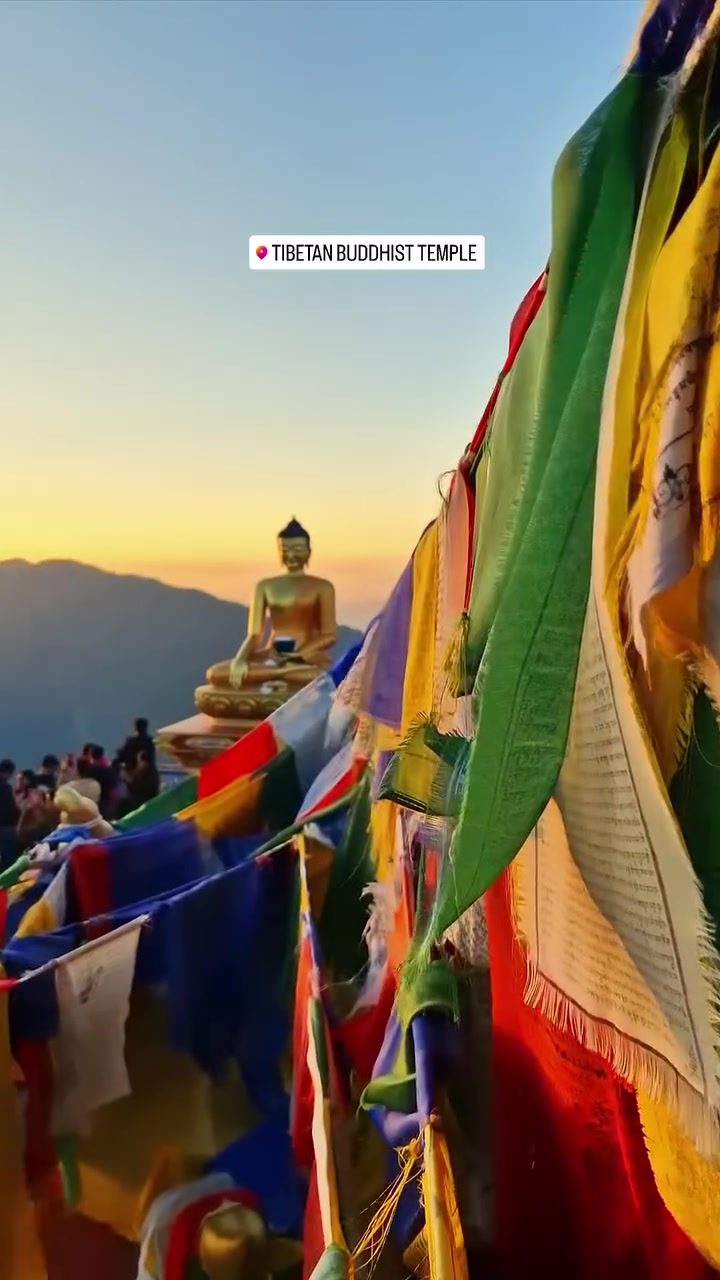
The Tibetan Buddhist Temple in Mussoorie
The Tibetan Buddhist Temple in Mussoorie stands as a beacon of tranquility and spiritual enrichment, offering a sanctuary for those seeking respite from the hustle and bustle of daily life. Nestled in the serene hills, the temple provides a unique blend of natural beauty, cultural depth, and spiritual significance.
Why This Matters
Mussoorie, often referred to as the "Queen of the Hills," is a picturesque hill station in the Garhwal region of Uttarakhand, India. Among its many attractions, the Tibetan Buddhist Temple is a standout, embodying the essence of serene beauty, rich cultural heritage, and spiritual solace. Whether you are a seeker of inner peace, a culture enthusiast, or a nature lover, this temple has something profound to offer.
The Serene Atmosphere
One of the most compelling aspects of the Tibetan Buddhist Temple in Mussoorie is its tranquil environment. Situated on a hill, the temple offers breathtaking panoramic views of the surrounding mountains and the town of Mussoorie. This serene setting is ideal for meditation, reflection, and connecting with nature. The peaceful atmosphere provides a perfect backdrop for personal introspection and spiritual growth.
The temple's architecture, simple yet elegant, complements the natural beauty of the landscape. Visitors often find themselves enveloped in a sense of calm and tranquility, making it a perfect spot for meditation and reflection.
Cultural Experience
The temple offers a unique opportunity to immerse oneself in Tibetan culture and Buddhism. Vibrant prayer flags flutter in the breeze, adding a splash of color to the landscape. These flags, known as "Lungta" in Tibetan, are believed to carry prayers and blessings to the heavens. The temple’s interior features beautiful murals and intricate artwork, each telling a story of Buddhist teachings and traditions.
Visitors can also explore the rich architecture of the temple, which is a blend of traditional Tibetan and modern design elements. The intricate carvings and the serene ambiance make it a cultural treasure.
Stunning Views
The temple's location on a hill provides stunning views of Mussoorie and the surrounding mountains. The panoramic vistas offer a picturesque spot for visitors, making it a favorite among photographers and nature lovers. During sunset, the colors of the sky blend beautifully with the vibrant prayer flags, creating a mesmerizing scene.
Spiritual Retreat
For those seeking spiritual guidance or a retreat from the busyness of life, the Tibetan Buddhist Temple offers a peaceful setting. Monks and local Tibetans often conduct meditation sessions and spiritual discussions, adding depth to the visitor's experience. The temple provides a serene environment for personal introspection and spiritual growth, making it a popular destination for spiritual seekers.
Historical Significance
The temple is not just a religious site but also a part of the rich Tibetan history in India. Many Tibetans have settled in the region, bringing with them their cultural and spiritual practices. The temple stands as a testament to the resilience and continuity of Tibetan culture in India. It serves as a reminder of the rich historical and cultural heritage of the Tibetan people.
Friendly Community
The monks and local Tibetan community are known for their warmth and hospitality. They welcome visitors with open arms, providing an opportunity to learn more about their practices and way of life. Visitors often find themselves engaged in meaningful conversations, gaining insights into Tibetan Buddhism and culture. This interaction enhances the overall experience, making it a memorable visit.
Practical Tips
Visiting the Tibetan Buddhist Temple in Mussoorie is an enriching experience, but it's important to be prepared. Here are some practical tips:
-
Best Time to Visit: The best time to visit the temple is during the spring (March to May) and autumn (September to November) seasons when the weather is pleasant. The temple is also particularly beautiful during sunset, making it a perfect time to capture stunning photographs.
-
What to Wear: Dress modestly, respecting the religious and cultural significance of the temple. Comfortable clothing and footwear are recommended, as the temple involves some walking and climbing.
-
Engage with the Community: Don't hesitate to interact with the monks and local community. They are often eager to share their knowledge and experiences, making your visit more meaningful.
-
Respect the Surroundings: Maintain silence and respect the peaceful environment. Photography is allowed, but be mindful of the temple’s rules and the privacy of other visitors.
-
Plan Your Stay: If you plan to stay overnight, Mussoorie offers a variety of accommodations, from budget-friendly guesthouses to luxurious resorts. Make sure to book in advance, especially during peak tourist seasons.
Important Takeaways
Visiting the Tibetan Buddhist Temple in Mussoorie is an experience that transcends mere sightseeing. It offers a profound connection with nature, culture, and spirituality. The tranquil environment, rich cultural heritage, and the warm community make it a destination worth exploring.
Conclusion
The Tibetan Buddhist Temple in Mussoorie is more than just a temple; it is a sanctuary of peace, a cultural treasure, and a spiritual haven. Whether you are looking for a place to meditate, explore Tibetan culture, or simply bask in the natural beauty, this temple offers a holistic experience. It’s a destination that leaves a lasting impression, resonating with the serenity and wisdom of its surroundings.
Questions readers ask
What makes the Tibetan Buddhist Temple in Mussoorie a unique attraction?
The temple's unique combination of natural beauty, cultural depth, and spiritual significance sets it apart. It offers panoramic mountain views, a tranquil atmosphere, and a deep dive into Tibetan Buddhism, making it a must-visit for both spiritual seekers and nature lovers.
Why is the sunset at the Tibetan Buddhist Temple in Mussoorie particularly special?
The sunset views from the temple are breathtaking, as the hills of Mussoorie create a stunning backdrop. The golden hues of the setting sun cast a warm glow over the mountain ranges, enhancing the already serene and spiritual atmosphere.
What can visitors expect to see and do during their visit to the temple?
Visitors can explore the temple grounds, admire the vibrant Tibetan prayer flags, and soak in the panoramic views. They can also participate in meditation and prayer sessions, and interact with the local Tibetan community to gain insights into their rich heritage and culture.
Are there specific times of the day that are best for visiting the temple?
While the temple is beautiful throughout the day, the sunset hours are particularly enchanting. Visitors should plan their visit to coincide with late afternoon to experience the serene sunset views and the mystical ambiance that follows.
How does the temple contribute to the cultural experiences in Mussoorie?
The temple stands as a testament to the rich cultural heritage of the Tibetan community in Mussoorie. Visitors can immerse themselves in the cultural aspects of Tibetan Buddhism, including rituals, art, and architecture, which adds a layer of depth to their overall experience in Mussoorie.
What is the significance of the Tibetan prayer flags at the temple?
The Tibetan prayer flags are an essential part of the temple's spiritual ambiance. They carry mantras and prayers that are believed to be dispersed by the wind, spreading blessings and goodwill. The vibrant colors of the flags also add a visually striking element to the landscape.
How can a visit to the temple enhance a spiritual journey in Mussoorie?
The hilltop location of the temple offers a peaceful and reflective environment, making it an ideal spot for spiritual practices. Engaging in meditation, prayer, or simply contemplating the serene views can deepen one's spiritual journey and provide a sense of inner peace and tranquility.
Related deep dives
Similar reads based on topic and creator.



Recent articles
Fresh deep dives from the latest Reels we unpacked.



Comments
Be the first to comment.