Water Usage and Data Centers
Data centers, the backbone of modern technology, are often hailed for their role in enabling cloud computing, artificial intelligence, and big data analytics. However, these centers also have a significant environmental footprint, particularly in terms of water consumption. Understanding the water usage of data centers and its implications on the global water crisis is crucial for fostering sustainable practices in technology.
Context / Why this Matters
Data centers are essential for storing, processing, and distributing vast amounts of digital information. They power everything from social media platforms to complex AI models. However, the sheer scale of their operations demands substantial resources, including massive amounts of water. This resource is not only vital for cooling the servers but also for maintaining the overall infrastructure.
Main Discussion
The Water Consumption of Data Centers
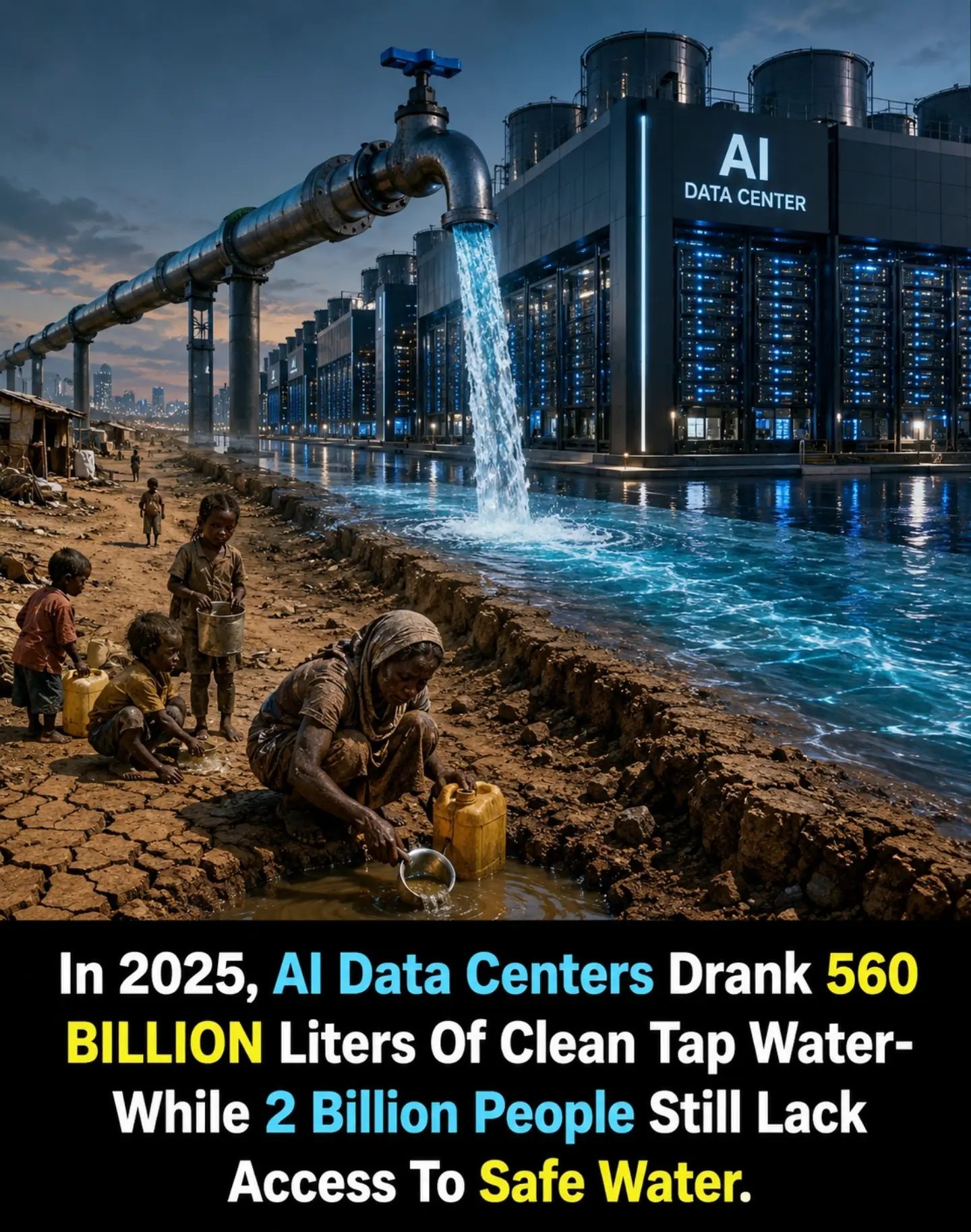
AI data centers are particularly notorious for their high water consumption. In 2025, it is projected that these centers will consume a staggering 560 billion liters of clean tap water. This alarming figure underscores the environmental cost of advancing technology. The water is primarily used for cooling purposes, as servers generate a tremendous amount of heat that must be dissipated to prevent hardware failure.
The Global Water Crisis
In stark contrast to the vast water usage of data centers, approximately 2 billion people worldwide still lack access to safe water. This global water crisis highlights the disparity between the resources consumed by advanced technology and the basic needs of many populations. Drought-stricken areas, where people struggle to collect even the most basic supply of drinking water, serve as a poignant reminder of the inequities in resource distribution.
The Environmental Impact
The environmental impact of data centers extends beyond water consumption. These facilities also contribute to carbon emissions and consume significant amounts of energy. The cooling process, often reliant on water, can have a profound impact on local ecosystems, especially in areas where water is a scarce resource.
Practical Tips
Efficient Cooling Systems
One of the most effective ways to reduce the water consumption of data centers is by implementing efficient cooling systems. Advanced cooling technologies, such as air-cooled systems or immersion cooling, can significantly reduce the reliance on water. By investing in these systems, data centers can mitigate their environmental impact while still maintaining optimal performance.
Renewable Energy Sources
Data centers can also reduce their overall environmental footprint by transitioning to renewable energy sources. Solar, wind, and hydroelectric power can provide a clean and sustainable energy supply, reducing both carbon emissions and the need for water-cooled systems.
Water Recycling
Implementing water recycling systems within data centers can help conserve water resources. By treating and reusing water for cooling purposes, data centers can drastically reduce their water consumption and support sustainable practices.
Community Engagement
Partnering with local communities and water conservation organizations can provide valuable insights into water usage and help design more sustainable practices. Community engagement can also raise awareness about the environmental impact of data centers and promote collective efforts toward conservation.
Important Takeaways
Sustainable Practices are Essential
The stark contrast between the water consumption of AI data centers and the global water crisis underscores the urgent need for sustainable practices in technology. By adopting more efficient cooling systems, transitioning to renewable energy, and implementing water recycling, data centers can significantly reduce their environmental impact.
Global Awareness
Raising global awareness about the environmental impact of technology is crucial. Understanding the water consumption of data centers and its implications on the global water crisis can drive collective efforts toward sustainability.
Conclusion
In the pursuit of technological advancement, it is essential to consider the broader environmental impact. The significant water consumption of AI data centers, coupled with the global water crisis, highlights the need for sustainable practices. By adopting efficient cooling systems, transitioning to renewable energy, and implementing water recycling, data centers can reduce their environmental footprint and contribute to a more sustainable future.
Related deep dives
Similar reads based on topic and creator.




Recent articles
Fresh deep dives from the latest Reels we unpacked.




Comments
Be the first to comment.