Rural Romanian Village Life
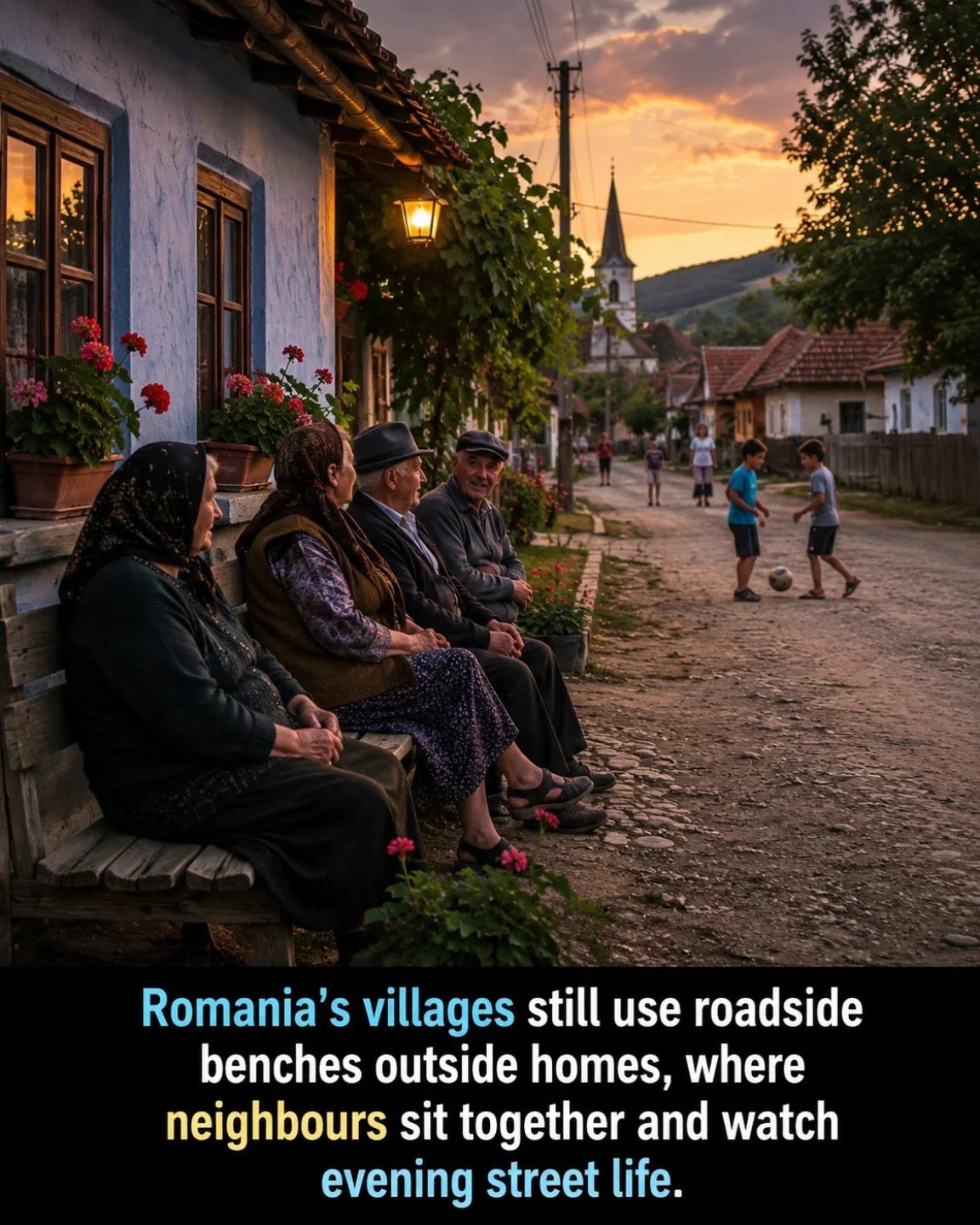
The charm of rural Romanian villages lies in their timeless traditions and close-knit communities. One such tradition is the use of roadside benches outside homes, where neighbors gather to socialize and enjoy the evening. This simple yet profound aspect of village life offers a glimpse into the cultural fabric of Romanian rural communities.
Why This Matters
Understanding rural Romanian village life provides valuable insights into the cultural heritage and social dynamics of a region that has preserved its traditions despite modern advancements. The communal gatherings and the scenic setting highlight the importance of community and tradition in everyday life. The roadside benches are not just pieces of furniture; they are symbols of the strong community bonds and the importance of social interaction in rural Romanian villages.
Main Discussion
The Village Setting
Romanian villages are characterized by their charming, historic architecture and cobblestone streets. These villages often feature traditional houses that have stood the test of time, each with its own unique story. The cobblestone streets add to the rustic charm, creating a serene atmosphere that is quintessentially Romanian. The village's church, often a central landmark, serves as a focal point for community activities and events.
Roadside Benches: A Cultural Icon
The roadside benches are a staple in Romanian villages, serving as communal meeting points where neighbors gather to chat, share news, and watch the world go by. These benches are more than just seating arrangements; they are a reflection of the tight-knit community life. Sitting on these benches, neighbors reconnect with each other, share stories, and enjoy the simple pleasures of life. This communal activity is a significant part of the village's social fabric, fostering a sense of belonging and camaraderie.
Evening Street Life
The evening is a particularly special time in Romanian villages. As the sun sets, casting a warm glow over the cobblestone streets, the atmosphere becomes even more enchanting. Elderly people, often seen as the keepers of tradition and wisdom, gather on the benches, watching the street life unfold. Children playing with toys or engaging in simple games like soccer add a lively touch to the scene, making the evenings full of warmth and vibrancy. These moments are cherished, creating a sense of unity and continuity in the village.
Traditional Architecture and Street Scenes
The traditional architecture of Romanian villages is another key aspect of their charm. The houses, often built with local materials and featuring wooden details, stand as testaments to the region's heritage. The cobblestone streets, lined with these traditional homes, create a picturesque setting that is quintessentially Romanian. The church, with its iconic spires and historic significance, adds to the visual appeal and cultural richness of the village.
Practical Tips
Visiting a rural Romanian village can be a transformative experience. Here are some practical tips for making the most of your visit:
- Engage with Locals: The warmth and hospitality of the villagers are unparalleled. Take the time to sit on the roadside benches and engage in conversations with the locals. They often have fascinating stories and insights to share.
- Timing: Plan your visit in the late afternoon or evening to experience the vibrant street life. This is when the community comes alive, and you can witness the true essence of village life.
- Explore the Surroundings: Beyond the benches and the streets, there are often hidden gems in the village. Explore the alleys, visit the church, and take in the traditional architecture.
- Capture the Moments: Bring a camera to capture the picturesque scenes. The cobblestone streets, traditional houses, and the communal gatherings make for stunning photographs.
Important Takeaways
Rural Romanian village life is a treasure trove of cultural heritage and community spirit. The roadside benches, where neighbors gather to watch the evening street life, are emblematic of the strong bonds and traditions that define these villages. The charming architecture, the lively evening scenes, and the warm hospitality of the villagers make a visit to a Romanian village a memorable experience.
Conclusion
Rural Romanian village life is a testament to the enduring spirit of community and tradition. The roadside benches, where neighbors gather to socialize and enjoy the evening, are a reflection of the close-knit community life that defines these villages. From the traditional architecture to the lively street scenes, every aspect of rural Romanian village life is steeped in cultural richness and warmth. Visiting these villages offers a unique opportunity to experience the beauty and charm of a way of life that has stood the test of time.
Questions readers ask
What makes the evening life in a Romanian village unique?
The evening life in a Romanian village is unique due to the communal gatherings on roadside benches. Neighbors come together to socialize, fostering a sense of belonging and camaraderie. These gatherings are a testament to the importance of tradition and community in rural Romanian life.
What are the architectural features of a traditional Romanian village?
Traditional Romanian villages are known for their historic architecture, including cobblestone streets and central churches. The design of these villages creates a serene atmosphere, with traditional houses often featuring ornate details that reflect the region's cultural heritage.
How do roadside benches contribute to the social fabric of a Romanian village?
Roadside benches in Romanian villages serve as more than just seating; they are integral to the community's social life. These benches encourage neighbors to gather, chat, and share their experiences, strengthening the bonds within the village and preserving the traditions of evening socializing.
What role does the central church play in a Romanian village?
The central church in a Romanian village is a focal point for both religious and social activities. It often serves as a gathering place for community events and celebrations, reinforcing the sense of unity and shared heritage among the villagers.
What can visitors expect from the evening scene in a Romanian village?
Visitors to a Romanian village in the evening can expect a tranquil and inviting atmosphere. The sight of neighbors relaxing on roadside benches, the sound of lively conversations, and the overall sense of community create a memorable and authentic experience of rural Romanian life.
How have Romanian villages preserved their cultural heritage?
Romanian villages have preserved their cultural heritage through the maintenance of traditional practices, such as communal gatherings and the preservation of historic architecture. The use of roadside benches for evening socializing is a prime example of how these villages keep their traditions alive, despite the influence of modern advancements.
Related deep dives
Similar reads based on topic and creator.




Recent articles
Fresh deep dives from the latest Reels we unpacked.



Comments
Be the first to comment.