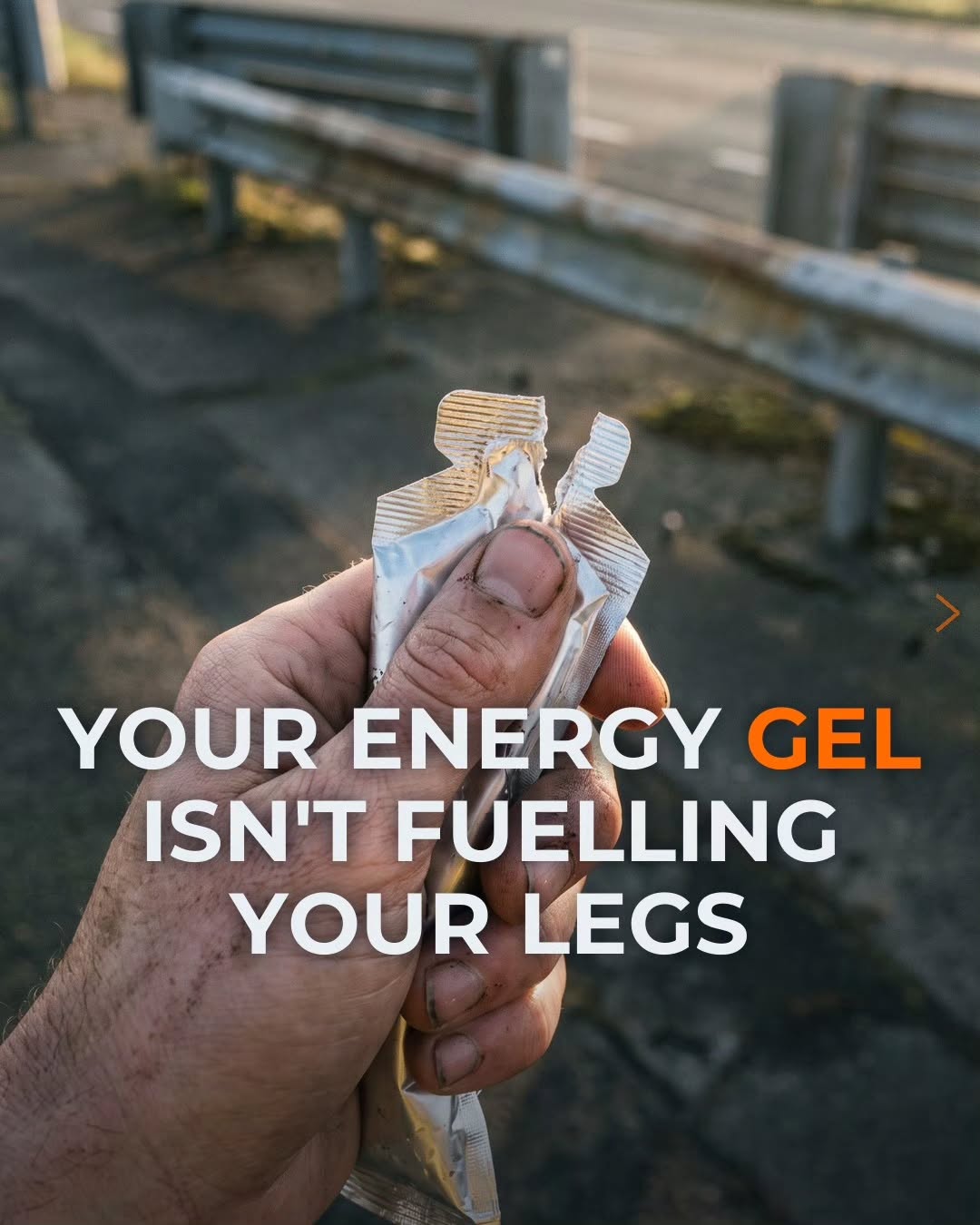
You’ve been told since the 1980s that energy gels and carbs are crucial for keeping your legs fueled during long endurance events. Now, a fresh wave of science challenges that conventional wisdom. Gels are marketed as leg fuel, promising to prevent the dreaded 'hit the wall' feeling and keep you going. But do runners need to rely on these diminutive sachets?
Understanding the Energy Gel
Energy gels are small packets of carbohydrates, a mixture of simple sugars like glucose and fructose. They are designed for quick consumption to maintain energy levels during prolonged exercise. These compact energy boosters have been a staple for athletes. Muscle glycogen, the body's primary energy store, has historically been the fuel athletes are told to protect during endurance events. The rumored mechanism involves glycogen molecules stored in muscles. According to conventional wisdom, regularly consuming energy gels during a marathon or strenuous bike ride keeps the muscles supplied with glucose. Runners' bodies break down these gels to keep glycogen levels topped up. Endurance athletes would consume these substances on a 20 -30 minute cycle. But a new review suggests that this understanding is outmoded. Energy gels work less like a direct fuel injection for muscles, and more like protection for a very small resource pool.
Reframing Athlete Nutrition
The prevailing nutrient paradigm that runners have long followed is under scrutiny. A comprehensive analysis in Endocrine Reviews suggests an alternative explanation for muscle glycogen. Glycogen behaves less like a fuel source and more as a glucose sink. Athletes depleted of muscle glycogen can still perform if the brain receives enough glucose. This revision means traditional gel recommendations fall under scrutiny. The new model reframes endurance as a brain-centered process. In short, blood sugar levels are the critical factor, not muscle glycogen. If your body breaks down muscle glycogen or consumes it to meet immediate energy needs, then athletes need a steady supply of carbohydrates. Athletes undergoing endurance activities should focus more on carbohydrate intake while focusing on glucose stabilisation and less on exhaustion of muscle glycogen. The research stresses the importance of blood glucose in sustaining endurance, contradicting the conventional wisdom that emphasizes muscle glycogen as the primary energy source.
The Study: A Century of Missed Signals
The Endocrine Reviews analysis revisits over 160 studies, spanning a full century of findings. The study dives into overlooked variables in traditional exercise science. Among the key findings was the misconception around muscle glycogen. The old paradigm assumes a performance slump is caused by muscle glycogen depletion. But the reviewer’s assertion is that performance drops are tied to blood sugar levels. The review reassesses the way Energy Gels work. Rather than directly fueling muscles, they supply the brain with glucose, keeping it functional during prolonged activity. At the heart of this research lies a controversial finding: glycogen is not a fuel source but a sink that traps glucose. The implications are clear for endurance athletes. Blood glucose levels, not muscle glycogen depletion, should be the focus. Historically, athletes have been advised to consume large amounts of carbohydrates before and during endurance activities. The review contends that optimal carbohydrate intake should be maintained for sustained endurance. The key question raised is if the dose matters. The answer given in the analysis suggests a lower dose alone is adequate. By asking if more gel is always better, the review takes a nuanced stance. The review's findings provide a clear message: more gel is not necessarily better. Instead, focus shifts to maintaining blood glucose while discouraging excess carbohydrate consumption.
Misconceptions About Fuel
Historically, energy gels were deemed crucial as direct fuel for muscles. This traditional belief has motivated runners to rely on them. But the recent analysis lays bare a long-standing misconception. The primary functions of energy gels remain debatable. The new body of evidence suggests carbohydrate intake is more brain-centered. Athletes need to understand energy gel consumption impacts brain glucose levels. If athletes focus on maintaining glucose levels, they can run more efficiently. Regardless of widely held beliefs, this study highlights a different aspect of carbohydrate consumption. Understood correctly, athletes can save money and potentially perform better. Energy gels aren't muscle fuel. Instead, they maintain mental clarity by delivering a glucose, not glycogen. For decades, this difference between carbohydrate energy and glucose function has been overlooked. Old runners' wisdom has been debunked.
Calculate Your Carbohydrate Needs
The review calculates how much athletes should consume to avoid hitting a wall. Runners should only consume 10 to 20 grams of carbohydrates per hour, rather than the 60 to 120 grams currently recommended. This mismatch between scientific findings and industry standards should cause concern. Athletes need a clearer understanding of the way energy gels work. This is not a call for carbs being poisonous. Instead, the review suggests carbohydrates are a tool rather than a rule. Energy gels offer a tool that can be used effectively if understood correctly. When using energy gels, aim for practical carbohydrate consumption. Focus not on muscle glycogen but on brain glucose. Gel consumption is not about fueling muscles. Instead, it is about maintaining the brain. Consider the time spent on your feet on a long run. Your brain, not your muscles, is the fuel tank.
Carbohydrates and the Fat-Adapted Athletes
The review doesn't just point out energy gel misconception; it also highlights fat-adapted athleticism. Recent studies show fat-adapted endurance athletes perform as well as high-carb athletes. This finding challenges conventional wisdom and argues against fat-fuelled exercise. Fat adaptation is a natural response, adds another layer to the conversation. In studies involving fat-adapted endurance athletes, there was no marked difference. These athletes are just as capable as carbohydrate-dependent athletes. This suggests that athletes should not lean on energy gels and carbs. Instead, they should focus on other fuel considerations. The findings suggest reframing carbohydrate consumption. Fat-adapted athletes perform on par with high-carb athletes. Carbohydrate consumption is a tool, not a religion. This review emphasizes how to use tools rather than blindly following tradition. Well-adapted athletes should be encouraged to use tools to optimize performance. This finding highlights a blind spot in industry standards. Fat-adapted performance proves the existence of alternative fuels. Athletes should be open to different approaches. The energy gel is not the only answer. Fat-adapted athletes prove otherwise. When running, consider focusing on brain glucose levels. Understanding how energy gel consumption affects performance reframes it as a glucose energy source. Gel consumption should be seen as a mental energy boost rather than muscle fuel.
Save this before your next run
When it comes to endurance sports, the conventional view of energy gels as fuel for muscles is outdated. With clearer insights, runners can optimize performance. For overeager athletes, take only the essential dose, say practical nutritionists. The way ahead is less about muscle glycogen and more about brain glucose. The industry should align with the new science, offering 10 to 20 grams per hour versus 60 to 120 grams. In this new light, long runs and endurance events are no longer a function of muscle glycogen but brain function. A balanced glucose level provides greater gains. With this learning, runners can refine energy gel consumption patterns and fuel better. Use this knowledge to get a head start on your next event.
Questions readers ask
What exactly are energy gels and how do they work?
Energy gels are small, portable packets filled with simple sugars like glucose and fructose. They're designed to provide a quick energy boost during prolonged exercise by maintaining blood sugar levels, which traditionally has been thought to keep muscle glycogen levels topped up. However, new research suggests that these gels primarily help by supplying the brain with glucose, rather than directly fueling the muscles.
How does the new science on energy gels change what we know about them?
The new science reframes our understanding of energy gels by suggesting that they work more like a glucose supply for the brain than a direct fuel source for muscles. This means that maintaining blood sugar levels is more crucial for endurance performance than preserving muscle glycogen, as previously thought. The study in Endocrine Reviews indicates that performance drops are more tied to blood sugar levels than muscle glycogen depletion.
Are energy gels still beneficial for endurance athletes?
Yes, energy gels can still be beneficial, but their role is being redefined. They are still useful for maintaining a steady supply of carbohydrates to keep blood sugar levels stable. However, it's now recommended to focus more on overall carbohydrate intake and less on preventing muscle glycogen depletion. This shift in thinking means athletes should consider gels as part of a broader nutrition strategy rather than a sole solution.
How often should runners consume energy gels during a marathon to maintain their energy levels?
Traditionally, runners have consumed energy gels every 20-30 minutes during a marathon. However, with the new understanding that gels help maintain blood sugar levels for the brain, the frequency might not need to be as rigid. Instead, focus on steady carbohydrate intake to keep blood glucose stable, which could mean adjusting the timing and frequency based on individual needs and how your body responds.
Can I just eat a banana instead of using an energy gel during a long run?
Yes, you can. The new research suggests that the key is maintaining blood glucose levels, which can be achieved through various carbohydrate sources, including fruits like bananas. Energy gels are convenient and quick, but they are not the only option. However, bananas might not provide the same rapid energy boost as gels, so consider your personal preference and how your body responds to different carbohydrate sources.
What should endurance athletes do if they don't like the taste of energy gels?
If you don't like the taste of energy gels, there are plenty of alternatives. You can try other forms of carbohydrate-rich foods or drinks that you find more palatable, such as sports drinks, energy bars, or even natural foods like dried fruits or bananas. The key is to find a source of carbohydrates that you enjoy and can easily consume during your endurance activities to maintain blood glucose levels.
If energy gels are not directly fueling muscles, why do they still help with endurance performance?
Energy gels still help with endurance performance because they provide a steady supply of glucose to the brain. The brain is the key regulator of endurance performance, and when it receives enough glucose, it can keep the body functioning effectively during prolonged activity. By maintaining blood sugar levels, energy gels help prevent the feeling of hitting the wall, which is often associated with a drop in blood glucose rather than muscle glycogen depletion.
Related deep dives
Similar reads based on topic and creator.




Recent articles
Fresh deep dives from the latest Reels we unpacked.




Comments
Be the first to comment.