Parenting and Child Development
Children pick up on more than just the words we say. They absorb our behaviors, reactions, and emotional responses from a very young age. These observations shape their own emotional regulation and development. This dynamic influence is a critical aspect of parenting, one that often goes unrecognized.
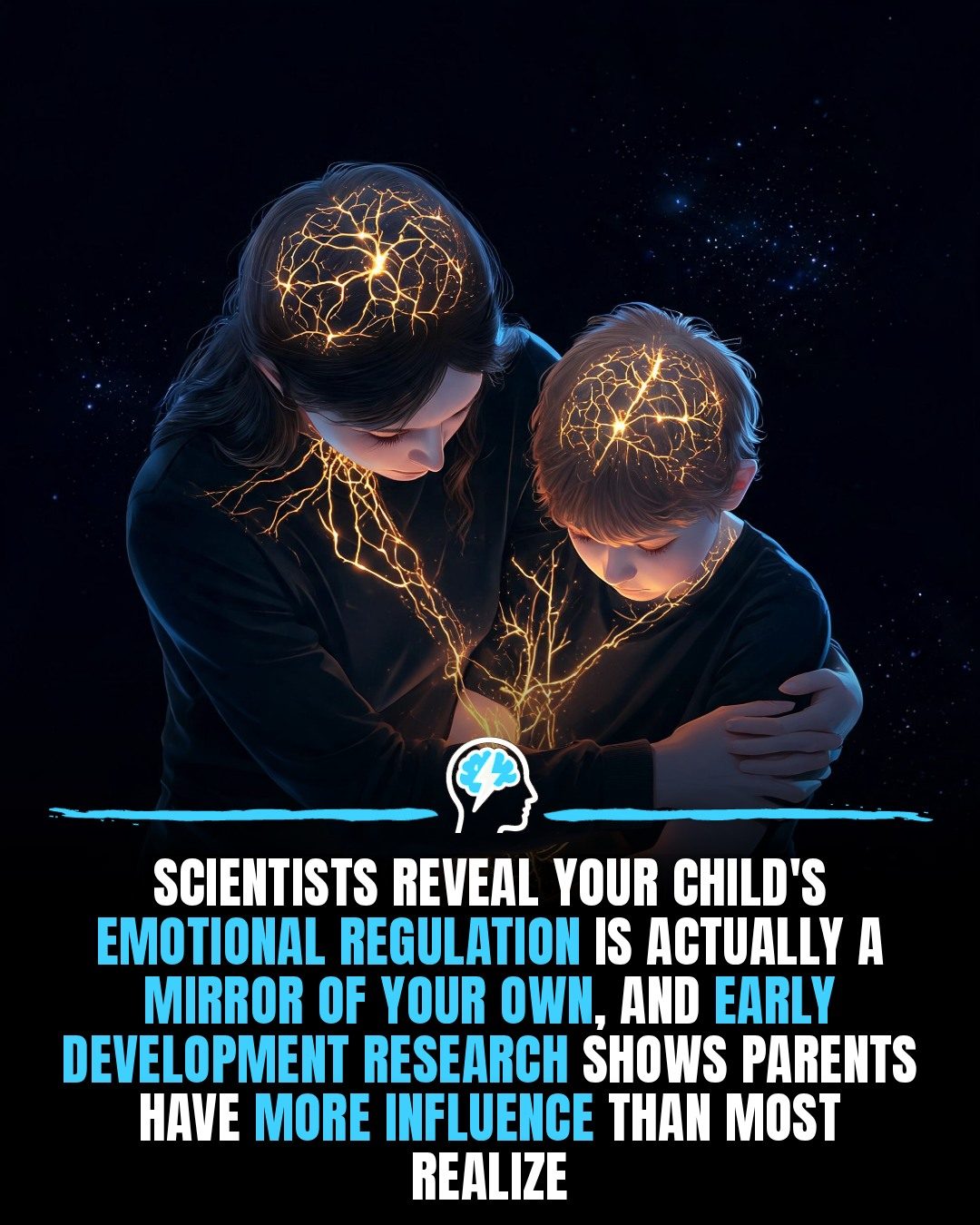
Parents hold a profound influence over their children's emotional development. This power lies in the fact that children mirror their parents' emotional regulation. Scientists have revealed that a child's ability to manage big feelings is often a reflection of how their parents handle their own emotions. This mirroring effect starts from infancy and continues throughout childhood. The small cues and reactions that parents exhibit become the blueprint for a child's developing brain. This means that a parent's response to stress can directly influence how a child learns to handle stress and emotional outbursts.
Why This Matters
Understanding the extent of a parent’s influence is crucial for several reasons. First, it highlights the importance of self-awareness for parents. Recognizing that their reactions are being watched and copied by their children allows parents to intentionally shape their child’s emotional resilience. Second, it underscores the significance of co-regulation—the process by which a parent's nervous system acts as an external regulator for a young child. This co-regulation helps children develop the tools to calm themselves, which is essential for healthy emotional growth.
The Role of Co-Regulation
Co-regulation is a vital concept in child development. It refers to the process by which a parent's steady and calm demeanor provides an anchor for a child during emotional outbursts. When a caregiver remains composed during a child's meltdown, they offer a stabilizing presence that the child can internalize over time. This transition from being regulated by others to regulating oneself is the foundation of emotional intelligence and healthy growth.
Children who observe healthy emotional management in their parents build stronger neural pathways for self-control. Steady support from a regulated adult mitigates the long-term impact of stress hormones, fostering a more resilient emotional landscape. Furthermore, the parent-child bond significantly influences a child's future emotional intelligence. Early mirroring—that is, observing and imitating a parent's emotional responses—shapes how a person handles conflict and builds relationships throughout their life.
The Long-term Impact
The emotional learning that occurs during childhood reaches into adulthood. Parents who are aware of their own emotional triggers can prevent passing on anxiety or reactive habits to their children. Creating a stable environment today can give a child the security to explore and master their inner world as they grow. This security lays the groundwork for emotional stability and resilience in adulthood.
Practical Tips for Parents
Changing a child's emotional future starts with adult self-awareness and intentional behavior modeling. Here are some practical strategies to help parents foster healthy emotional development in their children:
-
Name Emotions Clearly: Use clear and age-appropriate language to describe emotions. This helps children develop a vocabulary for their feelings, making it easier for them to communicate and manage their emotions.
-
Model Healthy Coping Mechanisms: Show healthy ways to handle frustration, such as taking deep breaths or practicing mindfulness. Children learn by observing, so demonstrating healthy coping mechanisms provides them with valuable tools to manage their own emotions.
-
Prioritize Your Mental Health: Ensuring your own mental well-being equips you with the capacity to stay calm and supportive when your child needs it. A regulated adult can better provide the steady support that children need to develop emotional resilience.
Important Takeaways
Parents have a significant influence on their children's emotional regulation and development. By understanding and leveraging this influence, parents can shape their child's emotional resilience and future emotional intelligence. Key takeaways include:
- A child’s emotional regulation often mirrors their parents’ own.
- Co-regulation is essential for a child’s emotional development.
- Naming emotions and modeling healthy coping mechanisms are practical strategies for fostering emotional resilience.
- Prioritizing your own mental health is crucial for providing steady support to your child.
Conclusion
The influence of parents on their children's emotional development is vast and profound. By recognizing the power of mirroring and co-regulation, parents can intentionally shape their child’s emotional future. Through self-awareness, intentional behavior modeling, and prioritizing one’s own mental health, parents can foster healthy emotional development in their children. These efforts not only benefit the child in the present but also set them up for emotional success in the long term.
Questions readers ask
How does a parent's emotional regulation affect their child's emotional development?
A parent's emotional regulation serves as a model for their child. Children, even from a young age, observe and mimic how their parents handle emotions. This mirroring can significantly shape a child's own emotional development and their ability to manage and express their feelings in a healthy manner.
At what age do children start to mirror their parents' emotional regulation?
Children begin to mirror their parents' emotional regulation from infancy. This early influence can set the foundation for a child's emotional development and their ability to cope with big feelings as they grow older.
What are some key aspects of healthy emotional responses that parents should exhibit?
Healthy emotional responses in parents often include acknowledging and validating their own feelings, using appropriate coping mechanisms, and communicating emotions in a constructive manner. These behaviors can help children develop emotional resilience and self-awareness.
How can parents improve their emotional self-awareness to better support their child's emotional development?
Parents can enhance their emotional self-awareness by practicing mindfulness, seeking support when needed, and actively working on their own emotional regulation techniques. This self-improvement can positively influence the parent-child emotional connection and, in turn, foster a healthier emotional development in the child.
What role does stress play in a parent's ability to model healthy emotional responses for their children?
High stress levels can hinder a parent's ability to model healthy emotional responses. Finding effective ways to cope with stress, such as engaging in self-care activities or seeking professional help, can ensure that parents remain a positive influence on their child's emotional development.
Can a parent's emotional regulation influence a child's emotional development in negative ways?
Yes, if a parent struggles with emotional regulation, such as frequently displaying outbursts or suppressing emotions, their child may adopt similar behaviors. This can impact the child's ability to manage their own emotions and develop emotional resilience, emphasizing the importance of healthy emotional regulation in parents.
Related deep dives
Similar reads based on topic and creator.



Recent articles
Fresh deep dives from the latest Reels we unpacked.




Comments
Be the first to comment.