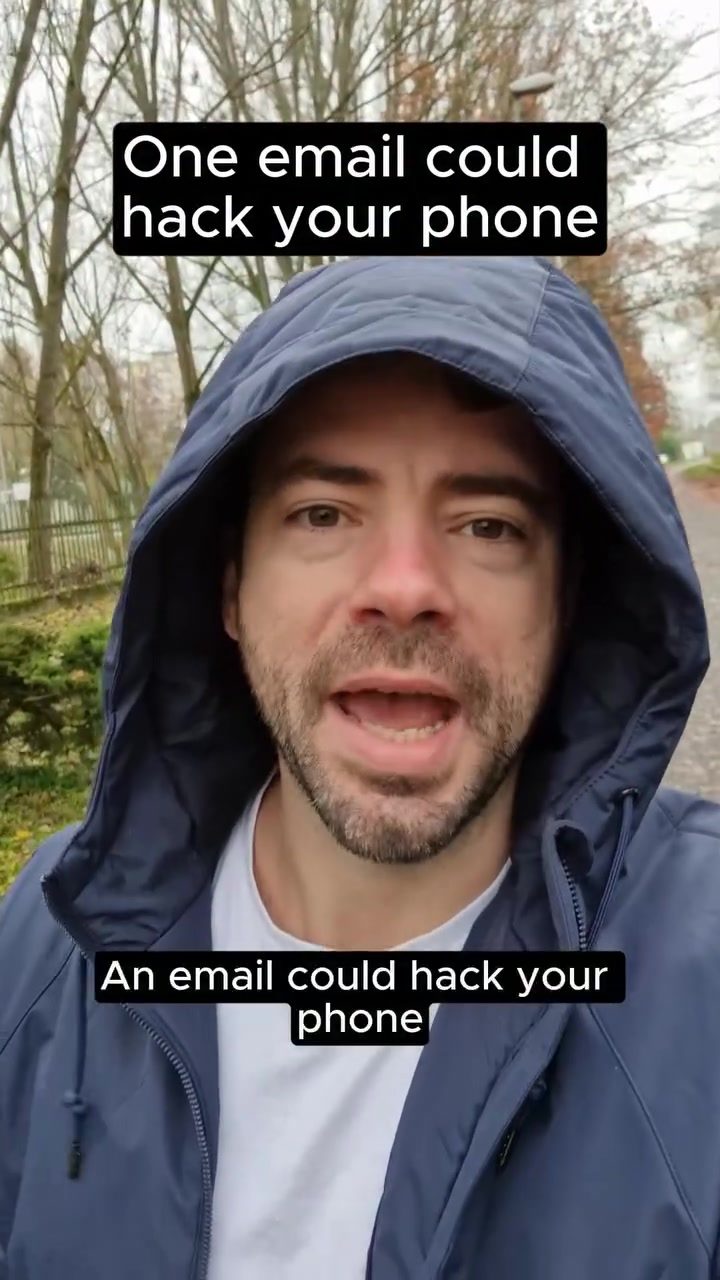
Cybersecurity Warning: Email Apps as Backdoors
Email apps may seem innocuous, but they can become backdoors for hackers. Recent discoveries have shown that opening a malicious email can give hackers control over smartphones, including both Android and iPhone devices.
Why This Matters
Mobile security is of paramount importance in today's digital age. With the rise of state-sponsored espionage and sophisticated cyber threats, understanding how hackers exploit vulnerabilities in email apps is crucial. This knowledge can help users protect their devices and data from potential breaches.
Exploitation of Email Apps
The ZipperDown Vulnerability
Researchers have identified a serious flaw in Android apps called ZipperDown. This vulnerability allows hackers to infiltrate devices through malicious emails. The attack doesn't require any extra clicks from the user; just opening the email can trigger the exploit. This method was used in state-sponsored espionage campaigns in Asia, demonstrating the real-world impact of such vulnerabilities.
How It Works
The exploit works by allowing hackers to overwrite executables with malicious ones. This results in remote code execution, giving attackers control over the device. In 2020, similar issues were presented at the BountyCon conference, highlighting that some Android apps could be compromised by overriding executable libraries.
Real-World Implications
The consequences of such exploits are severe. Attackers can run any code, steal data, and maintain persistence within legitimate applications. This means they can stay undetected for extended periods, making it difficult to identify and mitigate the breach. Unlike complex spying tools like Pegasus, targeting email apps with extended permissions is a low-cost, high-effective method for espionage. This approach can impact a broader range of everyday users, making it a significant threat.
The Targeting of Client Apps
Targeting client apps, especially those with extended permissions, has become a popular method for espionage. Email apps are particularly vulnerable because they handle sensitive information and often have permissions to access other parts of the device. This makes them an attractive target for hackers.
Practical Tips
Stay Updated
One of the most effective ways to protect against such threats is to keep your system and apps updated. Regular updates often include security patches that address known vulnerabilities. Ensure that your device receives updates as soon as they are available.
Use Trustworthy Security Tools
In addition to keeping your system updated, using trustworthy security tools can provide an extra layer of protection. These tools can detect and block malicious emails and other threats before they can cause harm. Look for reputable security software that offers real-time protection and regular updates.
Be Cautious with Emails
Avoid opening emails from unknown or suspicious sources. Even if the email appears to be from a trusted source, be cautious if it contains unusual requests or attachments. Always verify the authenticity of the sender before opening any attachments or clicking on links.
Enable Two-Factor Authentication
Two-factor authentication adds an extra layer of security to your accounts. Even if a hacker gains access to your email, they would still need a second form of identification to breach your account. This can significantly reduce the risk of unauthorized access.
Regularly Review App Permissions
Review the permissions granted to your apps regularly. Ensure that email apps and other client apps only have the permissions they need to function. Limiting permissions can reduce the potential damage if an app is compromised.
Important Takeaways
The Risk of Email-Based Attacks
The risk of email-based attacks is real and significant. Just opening a malicious email can give hackers control over your device, potentially leading to data theft and other malicious activities.
The Importance of Updates and Security Tools
Keeping your system and apps updated, using trustworthy security tools, and being cautious with emails are critical steps in protecting against such threats. Regularly reviewing app permissions and enabling two-factor authentication can further enhance your security.
Conclusion
Email apps can be a backdoor for hackers, allowing them to take control of your device with just a simple malicious email. By understanding the risks and taking proactive measures, you can protect yourself from such threats. Stay updated, use reliable security tools, and be cautious with emails to ensure your mobile security.
Questions readers ask
How do hackers exploit email apps on smartphones?
Hackers can exploit email apps by sending malicious emails that, when opened, trigger vulnerabilities within the app. These exploits can allow hackers to take control of the device without requiring additional user interaction, making email apps a significant security risk.
What is the ZipperDown vulnerability and how does it affect Android devices?
The ZipperDown vulnerability is a serious flaw in some Android email apps. It allows hackers to exploit the applications, by sending a malicious email causing the app to become a backdoor to the smartphone. This can lead to unauthorized access and control over the device.
Are iPhone users also at risk from email app hacking?
Yes, iPhone users are also at risk. Although iOS is generally considered more secure, hackers have developed methods to exploit vulnerabilities in email apps on iPhones as well. It's important for all smartphone users to be vigilant about email security.
What are some signs that an email might be malicious?
Signs of a malicious email include unexpected attachments, suspicious links, poor grammar, or emails from unknown senders. Always be cautious when opening emails from unrecognized sources and avoid clicking on any suspicious links or downloading attachments.
What steps can I take to protect my smartphone from email app hacking?
To protect your smartphone, keep your email apps and operating system up to date, use strong, unique passwords, and enable two-factor authentication. Additionally, be cautious when opening emails and avoid clicking on suspicious links or downloading unknown attachments.
How do state-sponsored hackers use email apps for cyber espionage?
State-sponsored hackers often use sophisticated techniques to exploit vulnerabilities in email apps. They may send targeted malicious emails to high-profile individuals or organizations, allowing them to gain unauthorized access to sensitive information and carry out espionage activities.
Can email apps be secured to prevent hacking attempts?
While no app can be completely immune to hacking, there are several measures users can take to enhance security. Regularly updating apps, using strong passwords, and being cautious about what emails you open can significantly reduce the risk of falling victim to a hacking attempt through email apps.
Related deep dives
Similar reads based on topic and creator.




Recent articles
Fresh deep dives from the latest Reels we unpacked.




Comments
Be the first to comment.