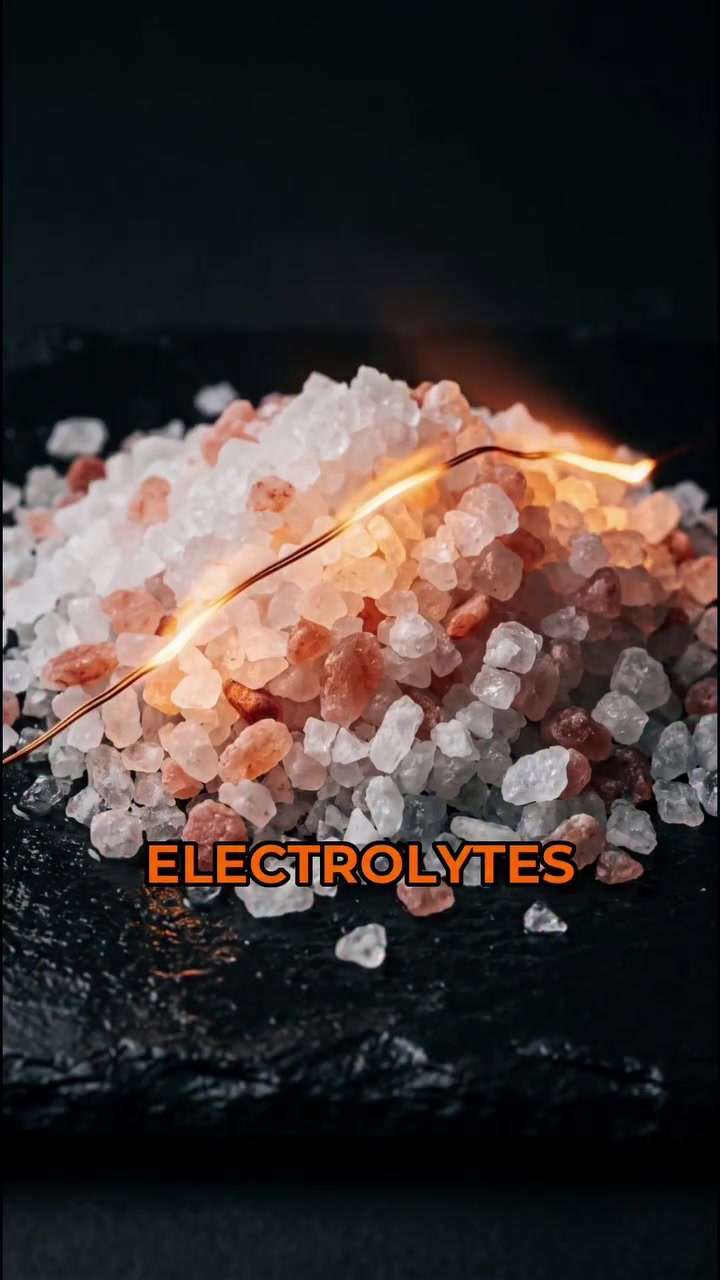
The Tiny Voltage That Powers You
You might not know it, but your body is a vast power plant, with 37 trillion batteries that keep you ticking. Each of these batteries is powered by electrolytes, the salts and minerals that generate a tiny voltage in every cell. About twenty percent of your energy is spent maintaining the delicate balance of electrolytes. This means that electrolytes regulate more than just your hydration; they’re the spark that lights up your nervous system and your muscles. Electrolytes themselves are a mix of sodium, potassium, and other minerals. When dissolved in your bodily fluids, they can conduct small amounts of electricity. Every cell in your body pumps potassium in and sodium out. The difference between the two generates a tiny voltage. That gap is a voltage, trillions of them. Trillions of these tiny voltages ensure that your mind and muscles can communicate efficiently. If you’re low on electrolytes, your batteries can lose their charge and fatigue, cramps, or even a dangerous heartbeat become a risk. What's more, four in five adults by the WHO’s own target fall short on potassium.
Electrolytes and the Subtle Signals We Ignore
Sports drinks and hydration supplements are the obvious places to see electrolytes. But they aren’t the only nor the best way to get them. There is a misconception in our approach to hydration. Most of us have been conditioned to believe that water alone is sufficient. However, electrolytes do the heavy lifting: they keep your bodily fluids in balance and help regulate nerve and muscle function. Water follows electrolytes, so a lack of electrolytes leads to dehydration. This is why even excessive water intake on a hot day can lead to lasting issues.
The charge in your every cell
Electrolytes are not energy. People think of electrolytes as energy, but they are the charge. They’re the signal that drives your bodily functions. Every mental process, every muscle contraction, every beat of your heart is enabled by the tiny voltages generated by electrolytes. We’re wired to look for quick fixes, like gulping down neon-colored drinks, but the reality is far more straightforward. Consider potassium: it’s a vital electrolyte required for all cell membranes in your body. If your potassium levels drop, it affects your heart, nervous system, and muscles. The electrolyte balance is constantly shifting, and each time you sweat or expel fluid, these ions are lost. So your muscles, including your heart, might contract improperly. But it isn’t just about deficiency. Think about what happens when they aren’t in the right spot. This highlights a simple truth: maintaining the right balance of electrolytes is crucial for overall health.
The consequences of electrolyte imbalances
Electrolyte imbalance can lead to a host of problems, including fatigue, muscle cramps, and even cardiovascular issues. The heartbeat that loses its rhythm is a serious consequence, but these are well-documented. Even mild symptoms can be a sign of a bigger problem. The problem is that if you're losing these electrolytes, your body needs to work harder to get the right balance. The rest of your body may start to feel strained. This can lead to a host of other problems, including a slower metabolism, weakened immune system, and increased fatigue. When electrolyte levels get too low, your body starts to prioritize vital functions. This could mean less energy for things like digestion, cell repair, and even immune function. That’s why athletes and active individuals are at a higher risk of electrolyte imbalances.
Electrolytes and food
The solution to electrolyte imbalance isn’t a neon-colored sports drink. The right sources are potatoes, avocados, greens, and real salt on real food. Real food can be your solution. We’ve seen that fruits and vegetables are great sources of electrolytes, but they’re also rich in other nutrients. This means you’re not only replenishing electrolytes but also getting vitamins, minerals, and fiber. It’s hard to argue with a diet rich in whole foods. The fix is not a neon drink, so much as a conscious effort to eat better. It means focusing on real salt and real food. Instead of reaching for a sports drink, you can add a pinch of salt to your water and get the same benefits. Then potassium, magnesium, and calcium are already in there. These foods can help you maintain the right balance of electrolytes and keep your batteries charged.
Salty, Starchy Foods for a Balanced Body
So how can you get these into your diet? And what are the best foods for electrolyte balance? First, consider some of the foods that are rich in electrolytes. Potatoes, avocados, and greens are good sources of potassium, while dairy products, including cheese and yogurt, are rich in calcium. You can also add a pinch of salt to your water, especially if you’re sweating a lot. Real salt, of course, is a better option. Then potatoes, avocados, greens. Real salt on real food. This means you’re not just getting electrolytes but also other nutrients. It’s a simple but effective way to replenish your electrolytes.
- Potatoes: A medium-sized potato contains around 926 milligrams of potassium. That’s about 17% of your daily requirement. If you're craving something salty, try a baked potato with a dash of salt.
- Avocados: This fruit is rich in potassium and magnesium. A single avocado provides roughly 975 milligrams of potassium, a bit more than a banana; it’s also high in fiber, which helps balance your electrolyte levels.
- Greens: Leafy greens, like spinach, kale, and collard greens, are rich in calcium, magnesium, and other essential minerals. Adding a serving of greens to your meal can help bring your electrolyte levels back into balance.
- Salt: Electrolytes include sodium, and sodium in water is alkalizing. However, you must use real salt, such as sea salt or Himalayan salt, which contain various trace minerals and electrolytes. Real salt is essential for maintaining electrolyte balance. When you sweat a lot, it's a good idea to add a pinch of real salt to your water to replenish the electrolytes you've lost.
- Food over supplements: We rely on packaged drinks and supplements to replace electrolytes, but these products can contain a lot of sugar and artificial ingredients. Instead of a sports drink, you can add a pinch of real salt to your water and get the same benefits. It’s also a healthier option, as it doesn’t contain any added sugar or artificial ingredients.
A healthy electrolyte plan
Ever felt drained after a long workout? Chances are, you're low on electrolytes. This can lead to fatigue, cramps, and even a dangerous heartbeat. The solution isn't a neon-colored sports drink. Instead, focus on real food and real salt. Real salt (not table salt) contains various trace minerals and electrolytes. Adding a pinch of real salt to your water, especially if you're sweating a lot, can help replenish the electrolytes you've lost. You can also add a pinch of real salt to your water and get the same benefits. These foods are rich in electrolytes, vitamins, and minerals, making them a healthier option than a sports drink. But what does a healthy electrolyte plan look like?
Avoiding the supplements trap
There are a lot of electrolyte supplements and drinks on the market, but they’re not the best way to replenish your electrolyte levels. These products can contain a lot of sugar and artificial ingredients, and they often don’t provide the right balance of electrolytes. Instead of relying on these products, focus on getting your electrolytes from whole foods and real salt.
The hydrating power of electrolytes
It's a simple but effective way to replenish your electrolytes. We rarely consider that electrolytes can help us stay hydrated. We think of hydration as drinking enough water, but it’s actually about equilibrium — the right balance of water and electrolytes. If you’re low on electrolytes, your body can't retain water effectively. This means you might need to urinate more frequently, which can lead to dehydration. So instead of drinking more water, you can try adding a pinch of salt to your water and see if that helps. This means you’re not just staying hydrated, but also getting other nutrients.
An optimal electrolyte diet
An optimal electrolyte diet is one that’s balanced and rich in whole foods. This means focusing on real salt and real food. Instead of reaching for a sports drink, you can add a pinch of salt to your water and get the same benefits. Then you’re getting the right balance of electrolytes and other nutrients. This is a healthier option as it doesn’t contain any added sugar or artificial ingredients. Relying on packaged drinks and supplements can lead to an unhealthy diet. Instead, focus on getting your electrolytes from whole foods and real salt. But what does a balanced electrolyte diet look like? Here are some tips:
- Include a variety of fruits and vegetables in your diet. These are rich in electrolytes and other nutrients, making them a healthier option than a sports drink. Consider including avocados, bananas, and leafy greens in your diet.
- Eat lean proteins, such as chicken, fish, and beans. These are rich in electrolytes and other nutrients.
- Add a pinch of real salt to your meals or water. Real salt is a better option as it contains a variety of trace minerals and electrolytes.
- Avoid processed foods. These are often high in sodium and low in other electrolytes.
Questions readers ask
What exactly are electrolytes and why are they important for my body?
Electrolytes are salts and minerals, like sodium and potassium, that generate tiny voltages in your cells. They're crucial because they regulate hydration, nerve function, and muscle function. Without them, your body can't maintain the delicate balance needed for optimal performance.
How do electrolytes generate electricity in the body?
Electrolytes generate electricity by creating a voltage difference between the inside and outside of your cells. Potassium and sodium play a key role in this process, with potassium moving into the cell and sodium moving out, creating a tiny voltage that powers your cells.
Can I get enough electrolytes from water alone?
No, water alone isn't enough. While water is essential for hydration, electrolytes are what actually regulate your bodily fluids and nerve and muscle function. Water follows electrolytes, so you need both to stay properly hydrated and functioning.
What happens if I don't have enough electrolytes?
If you're low on electrolytes, your cells can lose their charge, leading to fatigue, muscle cramps, and even serious issues like an irregular heartbeat. This is because electrolytes are essential for the tiny voltages that power your cells and enable communication between your mind and muscles.
How can I maintain the right balance of electrolytes?
Maintaining the right balance of electrolytes involves more than just drinking sports drinks. It's about ensuring you're getting enough electrolytes through your diet and replacing them when you lose them through sweat or other means. Eating a balanced diet rich in fruits, vegetables, and lean proteins can help, as can using electrolyte supplements when needed.
Why do I need to worry about electrolyte imbalances?
Electrolyte imbalances can lead to a range of problems, from mild symptoms like fatigue and muscle cramps to serious issues like cardiovascular problems. Even mild symptoms can be a sign of a bigger problem, so it's important to pay attention to your body's signals and take steps to maintain the right balance of electrolytes.
Can excessive water intake lead to electrolyte issues?
Yes, drinking too much water without replenishing electrolytes can lead to dehydration and other health issues. This is because water follows electrolytes, so without them, your body can't properly regulate its fluids. It's important to maintain a balance of both water and electrolytes for optimal hydration.
Related deep dives
Similar reads based on topic and creator.




Recent articles
Fresh deep dives from the latest Reels we unpacked.




Comments
Be the first to comment.