Electric Aircraft Flight
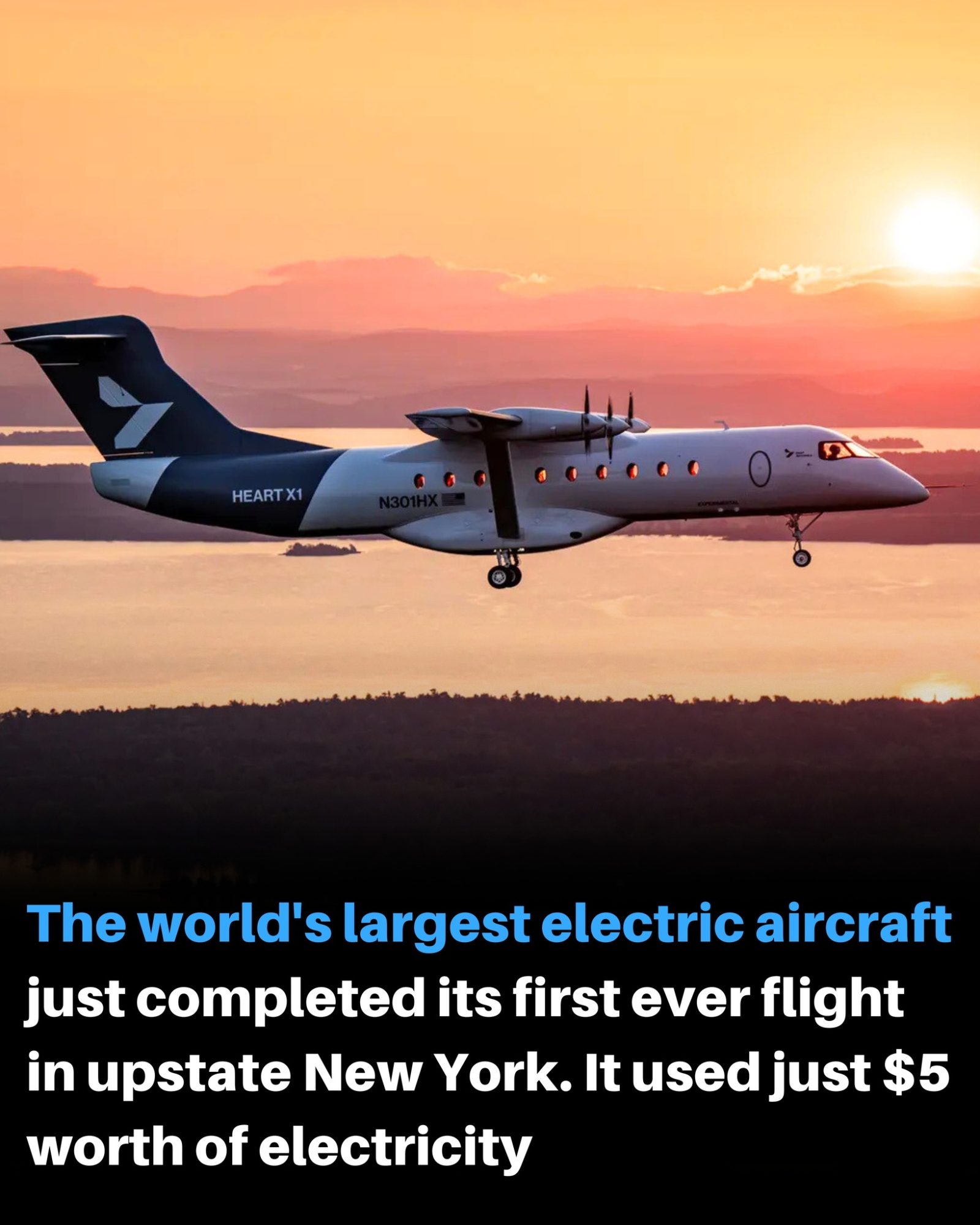
The HeartX X1, the world's largest electric aircraft, recently completed its first successful flight in upstate New York. This groundbreaking achievement highlights the potential of electric aviation and its implications for the future of air travel.
Why this Matters
The successful flight of the HeartX X1 is a significant milestone in the aviation industry. Electric aircraft offer a promising alternative to traditional fossil fuel-powered planes, with the potential to reduce emissions and lower operating costs. This milestone demonstrates that electric aircraft can handle the demands of commercial flight, paving the way for more sustainable aviation solutions.
Main Discussion
The HeartX X1: Specifications and Performance
The HeartX X1 is a remarkable aircraft designed to test the limits of electric propulsion in aviation. The X1 demonstrator spans 106 feet and stretches 76 feet from nose to tail, with a takeoff weight of over 25,000 pounds. This size and weight make it comparable to a real regional airliner.
During its first flight, the X1 climbed to 1,100 feet and performed a full test profile, including takeoff, climb, maneuvering, and landing. The electric motors delivered more than 1 megawatt of power, over 1,300 horsepower, without burning a single drop of fuel. This performance is a testament to the capabilities of electric propulsion systems and their potential for commercial aviation.
One of the standout features of the X1’s flight is its incredibly low electricity cost. The entire flight used approximately $5 worth of electricity. This efficiency is a key selling point for electric aircraft, as it significantly reduces operating costs compared to traditional jet fuel.
The Flight: Details and Significance
The first flight of the HeartX X1 took place at Plattsburgh International Airport in upstate New York. The flight lasted 27 minutes and featured a range of maneuvers to test the aircraft's capabilities. The Federal Aviation Administration (FAA) inspected the aircraft on-site and issued its flight authorization in July, following a series of structural, propulsion, and taxi trials.
The flight capped over a year of ground testing, showcasing the rigorous preparation and engineering that went into ensuring the aircraft's readiness. The successful flight represents a major achievement for electric aviation, proving that electric aircraft can operate safely and efficiently under real-world conditions.
The Technology Behind the Flight
The X1 is designed to demonstrate the technology behind the ES-30, Heart Aerospace's 30-seat hybrid-electric airliner. The ES-30 is intended for everyday regional routes, and its development is part of a broader initiative to create more sustainable aviation solutions.
Major airlines, including United Airlines, Air Canada, and JSX, have already made commitments to the ES-30. This industry support, combined with $9.4 billion in customer interest, underscores the demand for more eco-friendly aviation options.
The first pre-production ES-30 is currently being built in Los Angeles, with flight testing planned for 2028 and airline service targeted for 2031. This timeline indicates a strong push for the integration of electric aircraft into commercial aviation within the next decade.
Practical Tips
For those interested in the future of aviation, here are some practical steps to stay informed about the advancements in electric aircraft:
- Follow Industry News: Keep an eye on aviation news outlets and industry publications for updates on electric aircraft developments and milestones.
- Engage with Aviation Communities: Join online forums and communities dedicated to electric aviation to connect with enthusiasts, experts, and industry professionals.
- Attend Aviation Events: Participate in aviation conferences, trade shows, and exhibitions to learn from industry leaders and see the latest innovations firsthand.
- Support Sustainable Aviation: Advocate for policies and initiatives that promote sustainable aviation practices, and consider supporting companies working on electric aircraft technology.
Important Takeaways
The successful flight of the HeartX X1 represents a significant leap forward in the development of electric aircraft. Key takeaways from this milestone include:
- Impressive Performance: The X1's ability to deliver over 1,300 horsepower and perform a full test profile without fuel highlights the potential of electric propulsion.
- Cost Efficiency: The $5 electricity cost for the entire flight underscores the economic advantages of electric aircraft.
- Industry Support: Major airlines' commitments to the ES-30 and the $9.4 billion in customer interest signal strong industry backing for electric aviation.
- Future Prospects: The planned flight testing for the ES-30 in 2028 and airline service in 2031 indicate a promising future for electric aircraft in commercial aviation.
Conclusion
The first flight of the HeartX X1 is a pivotal moment in the history of electric aviation. It showcases the capabilities and benefits of electric aircraft, including significant cost savings and reduced environmental impact. As the aviation industry continues to explore sustainable solutions, the X1's success paves the way for more efficient, eco-friendly air travel. The future of aviation looks brighter and greener, with electric aircraft poised to revolutionize the way we fly.
Questions readers ask
What makes the HeartX X1 a significant aircraft?
The HeartX X1 is notable for being the world's largest electric aircraft. Its successful flight demonstrates the viability of electric aviation for larger, more demanding flights.
Where did the HeartX X1 complete its first flight?
The HeartX X1 completed its first flight in upstate New York, with Plattsburgh Airport serving as the location for this historic electric aircraft flight.
How much does it cost to power the HeartX X1?
The HeartX X1's first flight was powered by approximately $5 worth of electricity, highlighting the cost-effectiveness of electric aircraft compared to traditional fossil fuel-powered planes.
What are the benefits of electric aircraft like the HeartX X1?
Electric aircraft offer several benefits, including reduced emissions, lower operating costs, and decreased dependency on fossil fuels, making them a promising alternative for sustainable air travel.
What is the range of the HeartX X1?
The HeartX X1, as the largest electric aircraft, had a specific range that it could fly on its first flight, but that depends on the power of the electric aircraft battery. Future advancements can continue to extend the range for the future of electric aircraft.
What does the success of the HeartX X1 mean for the future of aviation?
The successful flight of the HeartX X1 signifies a major step forward for electric aviation. It shows that electric aircraft can meet the demands of commercial flight, opening up possibilities for more sustainable and cost-effective air travel solutions in the future.
Recent articles
Fresh deep dives from the latest Reels we unpacked.




Comments
Be the first to comment.