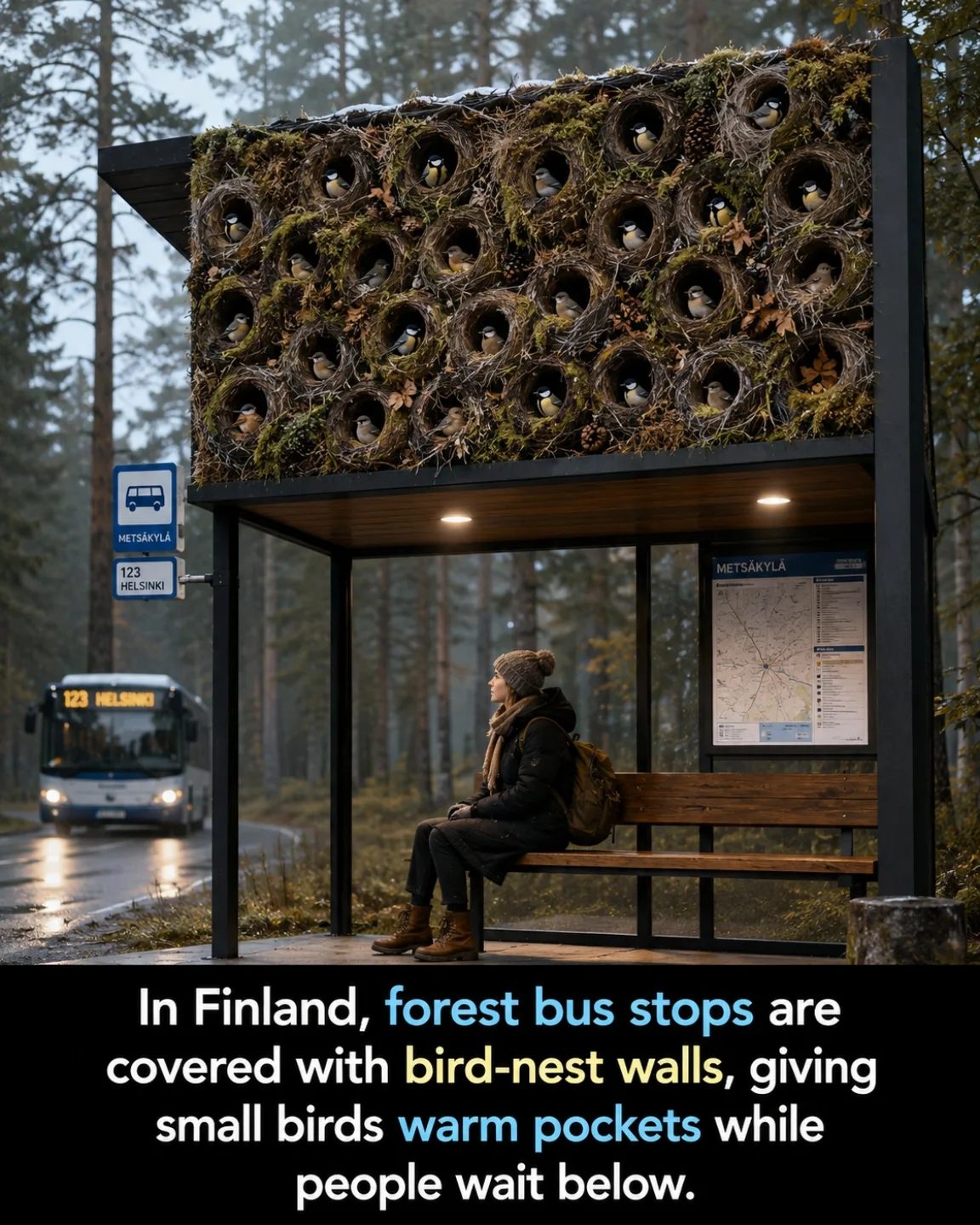
Unique Bus Stop Design in Helsinki
Nestled in the heart of Helsinki, Finland, the bus stop in Metsäkylä stands as a testament to innovative architecture that seamlessly blends urban infrastructure with nature. This bus stop is uniquely designed with bird-nest walls, offering small pockets for birds to nest, making it a striking example of sustainable design. Let's dive into the details of this unique design and understand why it matters.
Why This Matters
In today’s urban landscape, public transportation hubs like bus stops are often overlooked in terms of design and functionality. However, the bus stop in Metsäkylä challenges this norm by integrating nature into its design. This approach not only enhances the aesthetic appeal but also promotes biodiversity in an urban setting. It serves as a model for how public spaces can be designed to coexist harmoniously with wildlife.
Main Discussion
The Concept of Bird-Nest Walls
The unique feature of this bus stop is its bird-nest walls. These walls are designed with small pockets that provide a safe and comfortable space for small birds to nest. This design not only supports local bird populations but also creates a visually appealing structure. The integration of nature into urban design is a growing trend, and this bus stop in Helsinki is a prime example of how it can be done effectively.
The Benefits of Sustainable Design
Sustainable design is about more than just aesthetics; it has tangible benefits for both humans and the environment. By creating spaces that support wildlife, we can:
- Enhance biodiversity in urban areas
- Promote a healthier ecosystem
- Foster a sense of connection with nature in urban dwellers
- Create aesthetically pleasing public spaces
The Metsäkylä bus stop demonstrates these benefits, making it a successful example of sustainable urban design.
Practical Tips
If you’re looking to incorporate elements of sustainable design into your own projects, here are some practical tips:
Engage with Local Wildlife
Consider designing spaces that can support local wildlife. This could be as simple as incorporating birdhouses or bee-friendly plants into your garden. In larger projects, like public transportation hubs, consider integrating features that can support local species.
Utilize Natural Materials
Using natural materials in your design can create a sense of harmony with the environment. For example, incorporating wood, stone, or other natural materials into your design can make it more inviting and eco-friendly.
Foster a Sense of Connection
Creating spaces that foster a sense of connection with nature can have a positive impact on mental health and well-being. In urban settings, this could mean incorporating green spaces, water features, or other natural elements.
Collaborative Design
When planning a project, consider collaborating with experts in ecology and sustainability. They can provide valuable insights and help ensure that your design supports local wildlife and promotes sustainability.
Important Takeaways
The bus stop in Metsäkylä, Helsinki, is a prime example of how sustainable design can blend urban infrastructure with nature. By incorporating bird-nest walls, this bus stop supports local bird populations and creates a visually appealing space. This design serves as a model for how public spaces can be created to coexist harmoniously with wildlife, promoting biodiversity and a healthier ecosystem.
Conclusion
The unique bus stop design in Helsinki’s Metsäkylä highlights the importance of integrating nature into urban design. By creating spaces that support wildlife and promote a sense of connection with nature, we can enhance the quality of life in urban areas. Whether you’re a designer, an urban planner, or simply someone who appreciates beautiful, sustainable spaces, the Metsäkylä bus stop serves as a reminder of what’s possible when we think beyond traditional design norms.
Questions readers ask
What makes the bus stop in Metsäkylä, Helsinki unique?
The bus stop in Metsäkylä is unique due to its bird-nest walls, which feature small pockets for birds to nest. This design not only supports local bird populations but also integrates nature into the urban landscape, making it a standout example of sustainable urban planning.
How does the bird-nest bus stop promote biodiversity?
By providing nesting sites for birds, the bus stop in Metsäkylä encourages local bird populations to thrive in an urban environment. This integration of nature into public spaces helps to maintain and even increase biodiversity in the city.
What are the benefits of integrating nature into urban design?
Integrating nature into urban design, as seen in the Helsinki bus stop, offers numerous benefits. It enhances the aesthetic appeal of public spaces, promotes local biodiversity, and creates a more pleasant environment for both residents and visitors.
Who designed the bird-friendly bus stop in Helsinki?
The bird-nest bus stop in Helsinki was designed by architects who sought to innovate urban design by blending it with nature. This design is a product of forward-thinking architectural firms based in Finland.
Are there other examples of nature-inspired architecture in Helsinki?
Helsinki is known for its innovative urban design, and there are several examples of nature-inspired architecture throughout the city. These include green roofs, vertical gardens, and other public spaces that integrate natural elements to benefit both the environment and the community.
Related deep dives
Similar reads based on topic and creator.



Recent articles
Fresh deep dives from the latest Reels we unpacked.

Comments
Be the first to comment.